Is bamboo cosmetic packaging1 truly eco-friendly2 and sustainable3, and how does it impact the environment?
Bamboo packaging claims to be the green hero of cosmetics, but is it really as sustainable3 and eco-friendly2 as it sounds—or is the reality more complicated?
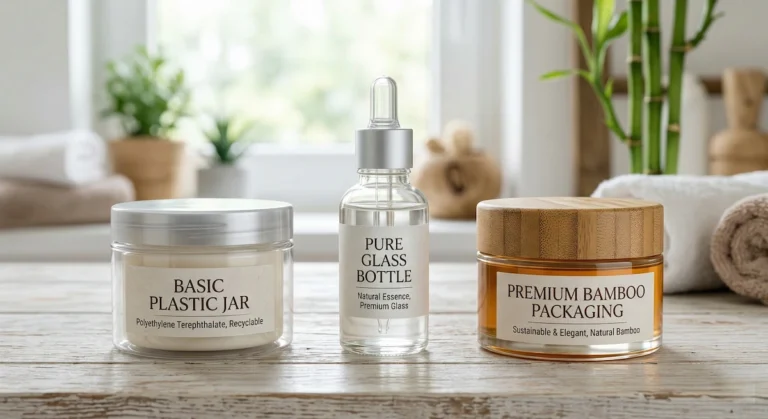
Bamboo cosmetic packaging is eco-friendly2 and sustainable3 when sourced correctly. It breaks down quickly compared to plastic, uses less water, grows fast, and has less carbon impact throughout its life.

Many people ask me if bamboo cosmetic packaging1 is truly as green as it seems. I have worked with lots of brands moving away from plastics and seeking honest eco-options. From my global partnerships, I can say bamboo's benefits are real, though responsible sourcing4 is vital. A memorable case is a European client who switched to bamboo for authenticity—and they saw consumer trust5 climb. Their story showed me: sustainability is about real choices, not just claims. Let's break down what makes bamboo different—and what pitfalls exist—so you can decide if it's the right move for your brand.
How does the biodegradability6 of bamboo packaging compare to traditional plastic alternatives, and what are its environmental benefits?
Plastic waste pollutes our planet for centuries, while bamboo is seen as the hero for ending our reliance on it. But how does bamboo really perform after disposal?
Bamboo cosmetic packaging biodegrades in months or a few years in compost, outpacing plastics which can linger for hundreds of years. Bamboo’s quick breakdown means less pollution and lower waste.

From what I’ve seen with my own clients, the difference between bamboo and plastic waste is dramatic. Untreated bamboo—especially when coated with natural waxes7—begins to break down swiftly in composting environments. In comparison, a typical plastic bottle used for beauty products may stick around for 400 years. Here’s a simple breakdown to highlight that gap:
| Material | Time to Biodegrade | Breakdown Conditions | Residue/Impact |
|---|---|---|---|
| Uncoated Bamboo | 6-36 months | Compost/soil | Minimal, non-toxic |
| PLA Bioplastics | 12-24 months (Industrial) | High-temp compost | Low, may leave residue |
| Conventional PET | 200-400 years | Landfill/ocean | Microplastics, toxins |
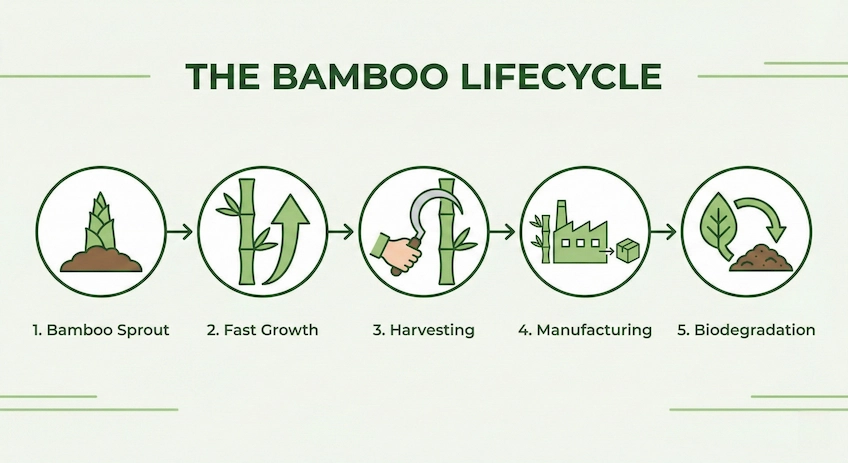
My clients love that bamboo not only disappears faster, but also leaves nothing harmful behind. This natural cycle—grow, use, compost—resonates with many, including a beauty brand in France which saw their landfill waste8 drop by half after switching to bamboo. For consumers, seeing packaging compost at home is a tangible, reassuring proof that they are part of a positive change.
What is the carbon footprint9 of bamboo cosmetic packaging1 throughout its life cycle, and how does it compare to other materials?
Every product leaves a mark—from manufacturing to end of life. How does bamboo stack up against familiar materials like plastic or glass when we measure total carbon emissions?
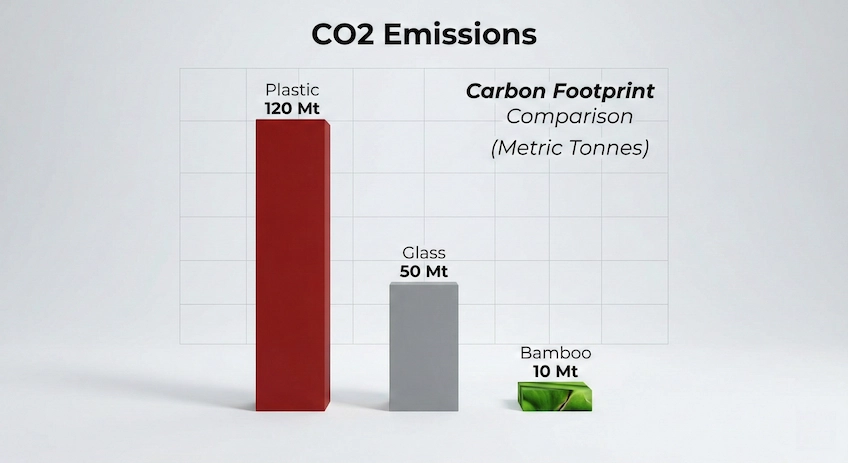
Bamboo packaging’s life cycle emits far less carbon than plastic or glass. Rapid regrowth, minimal water needs, and low pesticide use mean that bamboo captures more carbon than it releases.

When I started ECO-BAMBOO, I dug deep into the numbers behind bamboo. Bamboo can grow up to a meter a day, taking in more CO₂ than many trees. Growing it requires less water and little or no pesticide. Plus, bamboo is harvested—not uprooted—letting the plant keep capturing carbon year after year. Let’s compare common packaging materials:
| Material | Life Cycle Carbon Footprint* | Key Factors | Typical Uses |
|---|---|---|---|
| Bamboo | 0.054 kg CO₂e/pack (avg.) | Fast regrowth, less transport | Cosmetic jars, bottles |
| Glass | 0.600 kg CO₂e/pack | High energy in production | Bottles, jars |
| Plastic | 0.180 kg CO₂e/pack | Petroleum extraction, slow renewal | Tubes, caps |
*Estimated values, may vary by region and process
A Canadian designer once told me she was shocked at how little fuel it took to import bamboo packaging, partly because of its lightweight structure. As brands see stricter carbon targets, bamboo’s low-impact journey from farm to shelf matters—not just for the environment, but also for a brand’s story.
What are the potential environmental challenges10 or disadvantages associated with the widespread use of bamboo for cosmetic packaging?
Rapid demand for bamboo packaging is good for sustainability, but can it harm local habitats, or create other problems we might not expect?
Irresponsible bamboo harvesting can disrupt ecosystems. Without careful management, biodiversity loss11 and soil erosion12 can occur. Certified sourcing and strict standards help protect local environments from negative impacts.

I want to be honest: every material comes with challenges, and bamboo is not immune. As more brands embrace bamboo, demand surges. If not checked, this can hurt local habitats—especially when natural woodlands are cleared to plant giant bamboo monoculture13s. Some regions also report soil depletion, or pressure on native wildlife competing for the same land.
| To prevent these problems, at ECO-BAMBOO we only source from plantations with proven certification, like SGS and ROSH. Here’s a side-by-side view of what responsible versus irresponsible bamboo sourcing means: | Sourcing Practice | Environmental Impact | Mitigation Steps |
|---|---|---|---|
| Certified plantations | Maintains biodiversity, improves soil health | Crop rotation, wildlife corridors | |
| Monoculture, unregulated | Loss of habitat, erosion, chemical runoff | None |
One of my European clients switched to certified bamboo after discovering questionable origins in their supply chain. Their consumers responded with more trust—and sales—after the move. That experience reinforces my belief: the path to true sustainability runs through responsible, transparent sourcing, not just new materials.
Conclusion
Bamboo cosmetic packaging is genuinely sustainable3 when responsibly sourced—offering rapid renewability, a lower carbon footprint9, and fast biodegradability6, but only if we remain vigilant about its environmental impacts.
Explore the advantages of bamboo cosmetic packaging and how it can enhance sustainability in the beauty industry. ↩
Discover the eco-friendly aspects of bamboo packaging and its impact on the environment. ↩
Learn about the sustainability of bamboo packaging and its benefits over traditional materials. ↩
Explore the importance of responsible sourcing in bamboo production and its impact on sustainability. ↩
Explore how switching to bamboo packaging can enhance consumer trust and brand loyalty. ↩
Understand the biodegradability of bamboo packaging and its advantages over plastic waste. ↩
Discover the benefits of using natural waxes on bamboo packaging and their environmental impact. ↩
Find out how bamboo packaging can significantly reduce landfill waste and promote a circular economy. ↩
Find out how bamboo packaging's carbon footprint compares to other materials and its environmental implications. ↩
Learn about the potential environmental challenges associated with bamboo packaging and how to mitigate them. ↩
Discover the risks of bamboo harvesting on biodiversity and the importance of sustainable practices. ↩
Understand the factors contributing to soil erosion in bamboo plantations and how to prevent it. ↩
Learn about the risks associated with bamboo monoculture and the importance of biodiversity. ↩