Bamboo1’s rapid growth and renewability make it a real solution for reducing environmental harm from conventional materials like plastics and hardwoods.
Bamboo1 is environmentally friendly2 because it grows quickly, needs few resources, stores carbon efficiently, and is fully biodegradable3. It is a renewable4, low-impact alternative to plastic and slow-growing trees.

Bamboo1 impressed me from the start—not just as a material, but as a philosophy. When I switched careers from IT to eco-packaging5, I was struck by how bamboo seemed to answer so many urgent environmental questions at once. I have seen, working with ECO-BAMBOO, how its cultivation and end-of-life make it a natural choice for brands and consumers who care deeply about sustainability6. In this article, I will break down why bamboo’s environmental advantages are so compelling.
How is bamboo environmentally friendly2?
Bamboo1 catches eco-conscious eyes with its rapid growth and resilience, but what truly makes it a sustainable superstar?
Bamboo1’s fast growth, minimal resource use, and ability to thrive without pesticides or excessive water make it a truly eco-friendly option. Its harvesting7 leaves roots intact, preserving soil and supporting long-term land health.

Bamboo1 grows up to a meter a day in peak season—this isn’t just a marketing claim, it’s something I have witnessed firsthand during plantation visits. Unlike hardwood trees, which need decades before harvest, bamboo reaches maturity in three to five years. This fast turnover means we never have to strip entire forests or wait generations to replenish supply. Bamboo1’s root structure stays in place after harvest and sends up new shoots. This prevents soil erosion8 and keeps the local ecosystem stable. The absence of pesticides and heavy irrigation means cleaner water and healthier surrounding flora and fauna. When we source bamboo for ECO-BAMBOO, our partners carefully monitor these factors, ensuring each harvest is truly green and renewable4.
| Attribute | Bamboo1 | Hardwood | Plastic |
|---|---|---|---|
| Growth Cycle | 3-5 years | 20-70 years | N/A (fossil-derived) |
| Pesticides Needed | Rarely | Sometimes | N/A |
| Water Required | Low | Moderate-High | N/A |
| Soil Impact | Positive (prevents erosion) | Often negative (clearcut) | Negative (petro extraction) |
What does bamboo do to the environment?
Bamboo1 doesn’t just replace problematic materials—it actively improves environmental health9.
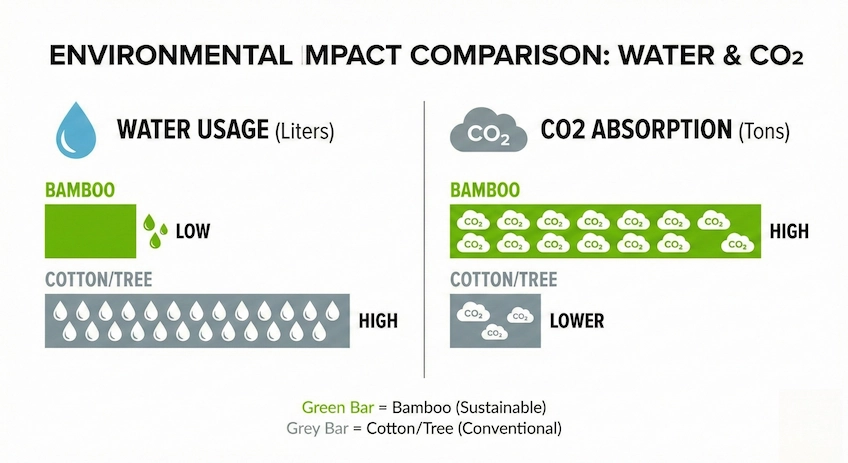
By absorbing large amounts of carbon dioxide10 and stabilizing soil, bamboo helps combat climate change and prevents land degradation. Its cultivation supports biodiversity11 without depleting natural resources12.

When I visited bamboo plantations in Southeast Asia, I could see how these fields were more than just raw material sources. The dense bamboo stands acted as carbon sinks, taking in more CO2 than most young forests. The canopy provided shelter for local wildlife. The natural leaf fall fed the soil, improving its health year after year. Even after regular harvesting7, the groves stayed lush and green, unlike the scars left behind by logging. This kind of harmony between production and nature is rare with other crops or materials. By choosing bamboo, I am confident we are part of a cycle that gives back to the environment instead of stripping it bare.
Environmental Impact Comparison
| Environmental Benefit | Bamboo1 | Plastic |
|---|---|---|
| CO2 Absorption | High | None |
| Soil Protection | Yes | No |
| Wildlife Support | Yes | No |
| Renewable | Yes | No (fossil-based) |
Why is bamboo better for the environment than plastic?
Plastic pollution clogs our oceans and landscapes, but bamboo offers a different story.
Bamboo1 outperforms plastic by being renewable4, fully biodegradable3, requiring less energy to produce13, and avoiding the lasting pollution typical of plastic products.

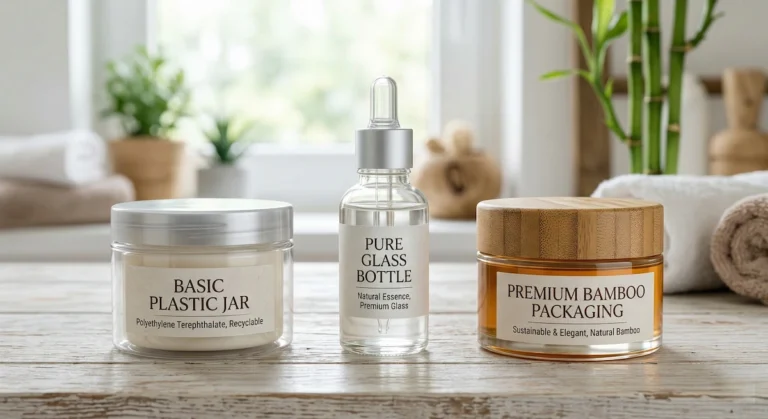
My decision to specialize in bamboo packaging was influenced by the simple truth that plastic waste is everywhere. While plastic’s convenience can’t be denied, its environmental legacy is disastrous—microplastics, landfill overflow, polluted waterways. In contrast, bamboo products break down naturally after use. We, at ECO-BAMBOO, send samples to clients and often see them composted alongside regular garden waste. The difference is clear: bamboo leaves no toxic residue, while even “biodegradable3” plastics can linger for years in the wrong conditions. The energy input to make bamboo packaging is much lower. And compared to the irreversible damage of extracting fossil fuels for plastics, harvesting7 bamboo keeps the land healthier for the next cycle.
| Criteria | Bamboo1 | Plastic |
|---|---|---|
| Source | Renewable plant | Non-renewable4 fossil fuel |
| Biodegradability | 100% (under right conditions) | Typically non-biodegradable3 |
| End-of-life Pollution | Minimal | High (microplastics, toxins) |
| Regulatory Compliance | High (with certification) | Increasingly restricted |
Is bamboo 100% biodegradable3?
Bamboo1’s “green” claim always leads to this critical question—how true is its promise of biodegradability?
Bamboo1 is 100% biodegradable3 under composting or natural conditions, breaking down fully into soil without leaving toxins, unlike plastic which can persist for centuries.

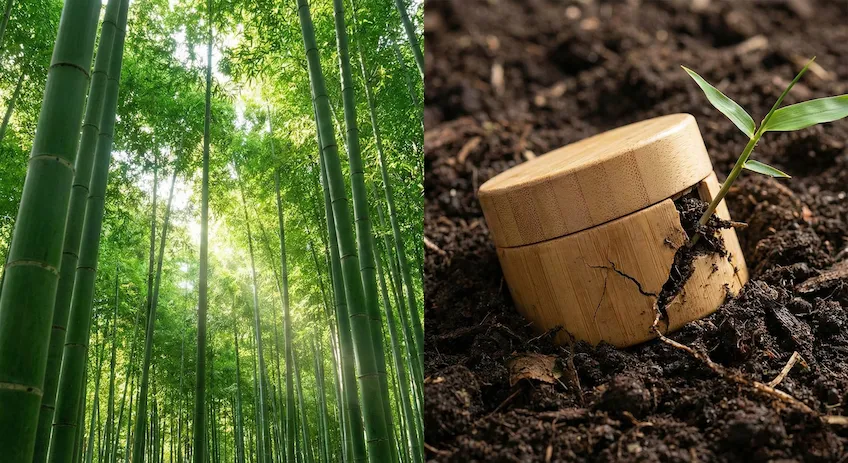
I’ve tested bamboo straws, bags, and packaging—even buried samples. Within months in a home compost, the bamboo returned to soil, naturally and completely. No harmful chemicals, no residue. Some thicker bamboo items may take longer to degrade, especially in dry or cold areas, but the difference compared with plastic—which stays unchanged for generations—is enormous. Major international brands using our SGS and ROSH-certified bamboo products count on this; their customers want packaging that won’t outlast the product itself. With proper disposal, bamboo’s return to nature is certain. This is not just a selling point, but a genuine answer to the world’s growing waste problem.
Biodegradability Overview
| Material | Biodegradable? | Decomposition Time | Residue |
|---|---|---|---|
| Bamboo1 | Yes (100%) | Months to few years | None |
| Standard Plastic | No | Centuries | Microplastics |
| Compostable Plastic | Sometimes | Months (industrial) | Some |
Conclusion
Bamboo1’s speed of growth, low-impact farming, carbon benefits, and true biodegradability make it a standout choice for brands and consumers looking for real sustainability6.
Explore how bamboo serves as a sustainable alternative to traditional materials, benefiting the environment. ↩
Discover the unique properties of bamboo that make it a low-impact choice for eco-conscious consumers. ↩
Understand the biodegradability of bamboo and its advantages over plastic waste. ↩
Learn about bamboo's renewability and how it contributes to sustainable practices. ↩
Discover the role of bamboo in eco-packaging and its benefits for sustainable products. ↩
Explore the sustainability aspects of bamboo and its advantages over conventional materials. ↩
Learn about sustainable harvesting practices that ensure bamboo's environmental benefits. ↩
Explore how bamboo's root structure helps maintain soil health and prevent erosion. ↩
Explore the positive impacts of bamboo on environmental health and ecosystem stability. ↩
Find out how bamboo acts as a carbon sink and its role in combating climate change. ↩
Learn about the ecological benefits of bamboo cultivation for local wildlife. ↩
Understand how bamboo cultivation supports resource conservation and sustainability. ↩
Find out how bamboo's production energy requirements compare to those of plastic. ↩