
In a market saturated with loud colors and complex claims, Minimalism is a power move. It signals confidence. For skincare brands, minimalist packaging isn't just an aesthetic choice; it's a strategic tool to communicate Purity, Efficacy, and Sustainability.
But how do you design "Simple" without looking "Basic"? At ECO-BAMBOO, we help brands strike this balance using high-quality materials and precise manufacturing. Here is why less is truly more in 2026.
1. The Psychology of Trust: Clarity Over Clutter
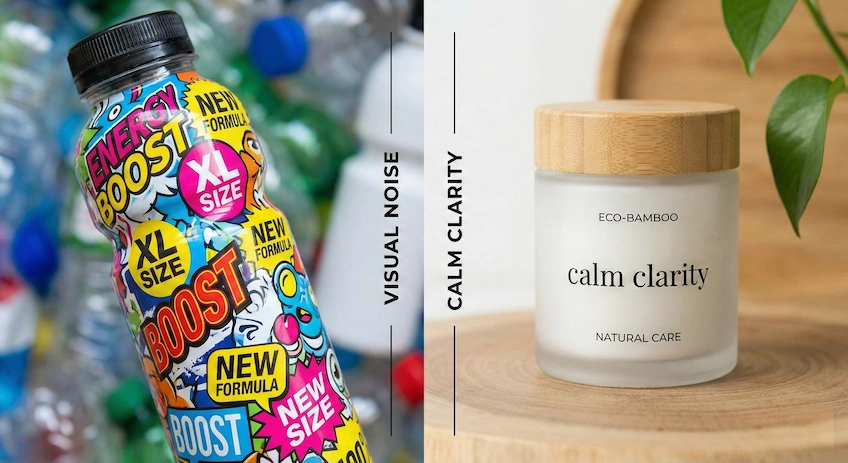
Consumers are overwhelmed. When a bottle screams with 10 different fonts and colors, it feels chaotic.
- The Minimalist Advantage: By stripping away the noise, you force the consumer to focus on what matters: The Ingredients.
- B2B Insight: Brands with minimalist packaging (e.g., The Ordinary, Aesop) are perceived as "Science-Backed" and "Transparent."
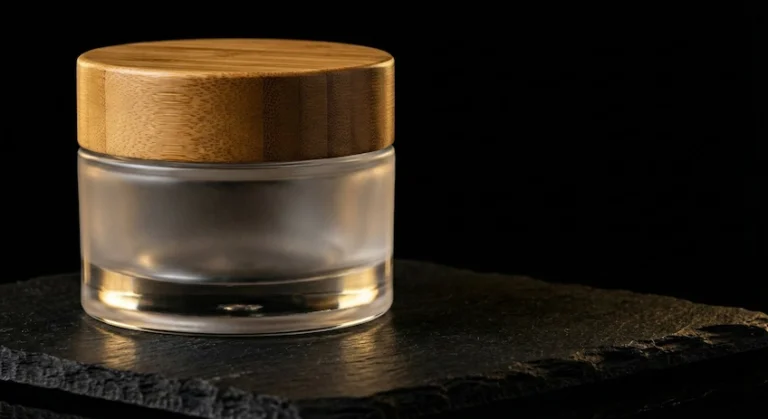
- Our Solution: Frosted Glass Bamboo Jars1. The matte finish acts as a blank canvas, allowing your logo and key active ingredients to stand out sharply.
2. Sustainability by Design: Less Ink, Less Waste
Minimalism is inherently eco-friendly.
- Reduction: Fewer colors mean fewer printing plates and less chemical ink usage.
- Recyclability: Heavily printed or metallized glass is harder to recycle. Minimalist designs often use direct screen printing or laser engraving, which are far more sustainable.
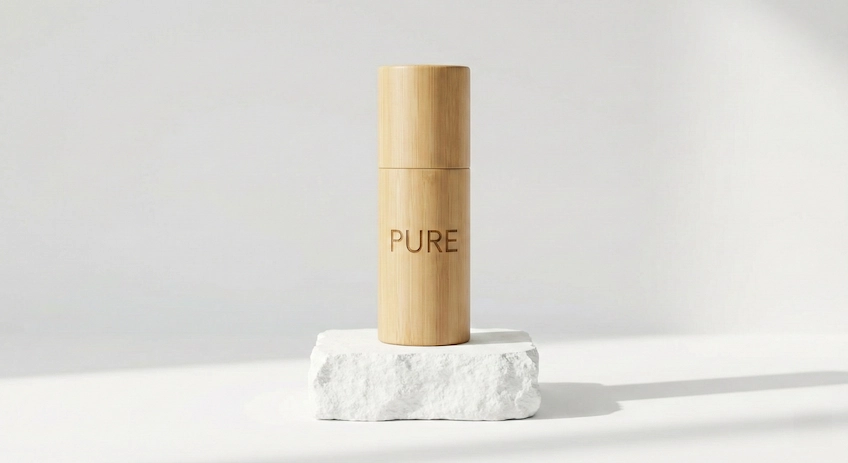
- The ECO-BAMBOO Way: We recommend Laser Engraving on our Bamboo Lotion Bottles2. It uses zero ink, creates no chemical waste, and provides a permanent, tactile brand mark.
3. "Quiet Luxury": Materiality is the New Graphic
When you remove the graphics, the Material becomes the hero. You cannot hide cheap plastic with a minimalist design.
- Texture: The natural grain of bamboo or the weight of heavy-wall glass communicates quality instantly.
- Haptics: A smooth, sanded bamboo lid feels premium and organic, elevating the user experience without visual clutter.
- Application: Our Bamboo Airless Bottles3 rely on the contrast between natural wood and sleek PP/Glass to create a modern, high-end look.
4. Cost Efficiency: Smart Manufacturing
Minimalism isn't just beautiful; it's budget-friendly.
- Lower Setup Costs: Single-color screen printing is significantly cheaper than 4-color offset printing or hot stamping.
- Versatility: A clean, minimalist bottle can easily be adapted for different product lines (e.g., changing just the text label) without needing entirely new packaging molds or complex artwork.
5. Design Matrix: Achieving the Minimalist Look
How to translate the trend into specifications.
| Element | Traditional Packaging | Minimalist Specification (ECO-BAMBOO) |
|---|---|---|
| Color Palette | 4+ Colors, Gradients | Monochrome (Black/White) or Earth Tones |
| Typography | Decorative / Script | Clean Sans-Serif / Swiss Style |
| Material | Glossy, Colored Plastic | Matte Glass, Natural Bamboo |
| Logo Method | Gold Foil Stamping | Laser Engraving2 or Embossing |
| Labeling | Full-Wrap Shrink Sleeve | Direct Print or Small Text-Only Label |
Conclusion
What is the role of minimalist design? It turns your packaging into a trusted advisor, not a loud salesperson.
By choosing ECO-BAMBOO's Premium Materials and opting for clean, ink-free customization like laser engraving, you build a brand that speaks of purity, sustainability, and timeless elegance.
🌿 Simplify Your Brand
Ready to embrace the power of less? Request a sample kit of our minimalist-ready Bamboo and Frosted Glass collection. 👉 Get Your Minimalist Sample Kit