
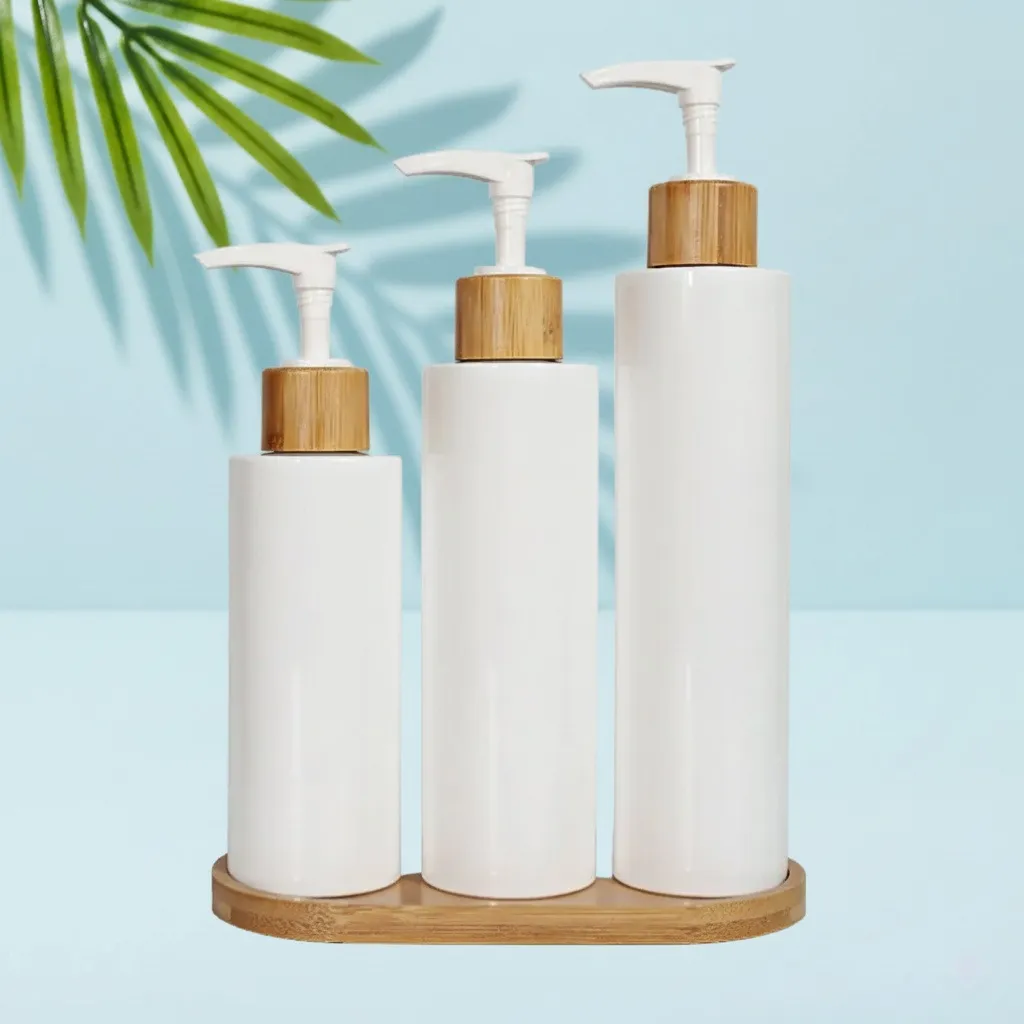
<p>For skincare brands assessing lotion left in a pump bottle, measure the actual formula-and-pack combination before choosing a replacement. A universal residue percentage cannot describe every lotion, bottle or pump. Define the user experience and the measurement basis, then compare representative samples under agreed conditions.</p><h2>Define What Counts as Residue</h2><p>Agree the starting fill, dispensing procedure, endpoint and method for measuring what remains. Record the formula reference, sample conditioning and assembly version. Distinguish product recoverable by normal instructed use from material recovered by dismantling or laboratory extraction. Do not compare percentages obtained from different definitions as if they were equivalent.</p><figure><img src="https://bamboopackage.com/wp-content/uploads/2026/01/wholesale-white-pet-bottle-bamboo-lotion-pump-front.webp" alt="Lotion bottle and bamboo pump exterior for sample review" style="max-width:100%;height:auto;"><figcaption>Illustrative assembly; obtain the specification for the selected item.</figcaption></figure>
<h2>Compare the Complete Dispensing System</h2><p>Review the bottle geometry, dip-tube configuration or airless construction, pump and formula. Ask which changes the supplier proposes and why. A revised tube or different mechanism may be worth evaluating, but neither a material name nor a format label establishes the outcome. Retain the drawing and component version for each comparison.</p><h2>Assess the Intended Use Sequence</h2><p>Record output, interruptions and relevant observations as the fill is dispensed using the approved instructions. Have the responsible team define repeat testing and acceptance criteria for the product. A single successful sample is not evidence of every production unit’s performance. Review the practical implications for filling, handling and pack size when changing a component.</p>
<h2>Keep Claims Within the Measured Scope</h2><p>Do not describe a pack as zero-waste, 99% evacuation or complete recovery without appropriate evidence and a clear basis. A wide-mouth jar does not automatically make all product accessible, and an airless mechanism does not guarantee identical results for every formula. Avoid inventing a customer-retention or financial return from the residue result.</p><h2>Include Residue in the RFQ</h2><p>Send suppliers the intended fill, formulation requirements, dispensing expectations and proposed evaluation criteria. Request samples of identifiable configurations and compare them consistently. Record findings, limitations and the approved reference, along with component-change controls.</p><p>Use the <a href="https://bamboopackage.com/what-sizes-do-lotion-bottles-typically-come-in-for-different-uses/">lotion bottle capacity checklist</a> when a size change is proposed. Do not encourage consumers to cut containers or improvise recovery steps without approved product-specific guidance.</p><h2>Request Project-Specific Samples</h2><p>Browse <a href="https://bamboopackage.com/products/bamboo-lotion-bottles/">lotion bottle options</a> and <a href="https://bamboopackage.com/contact/">send ECO-BAMBOO your requirements</a>. Confirm component availability, sample terms and current production lead time in the quotation.</p>
<!--[googlesitekit-end-of-content]-->