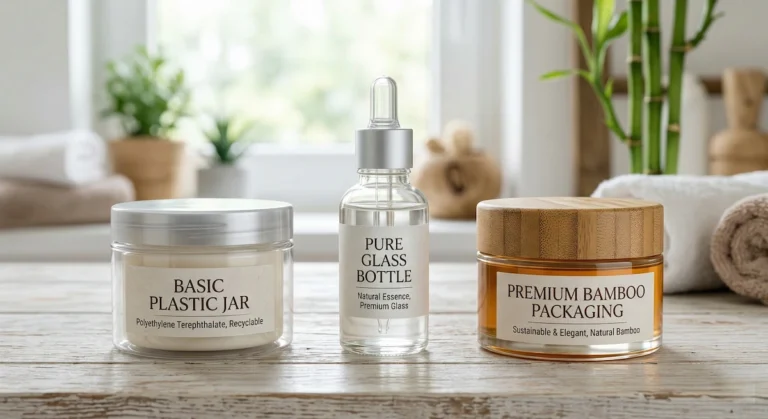

Bamboo lids are the hallmark of eco-luxury packaging. However, unlike plastic, bamboo is a natural, living material. Without proper care, it can warp, crack, or develop mold. For brands, educating customers on Bamboo Maintenance is crucial for ensuring product longevity and customer satisfaction.
At ECO-BAMBOO, we finish our lids with a Food-Grade Varnish to resist moisture, but a simple care routine is still essential. Here is the professional guide to keeping bamboo lids pristine for years.
1. The Golden Rule: Hand Wash Only
The number one enemy of bamboo is the Dishwasher.
- The Risk: High heat and prolonged exposure to water cause bamboo fibers to swell and crack. Strong detergents strip natural oils, leaving the wood brittle.
- The Solution: Advise customers to strictly Hand Wash with mild soap and warm water.
- B2B Tip: Include a "Hand Wash Only" icon on your packaging label to manage expectations and reduce returns.
2. Mold Prevention: Dry Immediately
Bamboo is naturally antibacterial, but it is also porous. If left damp, mold can form.
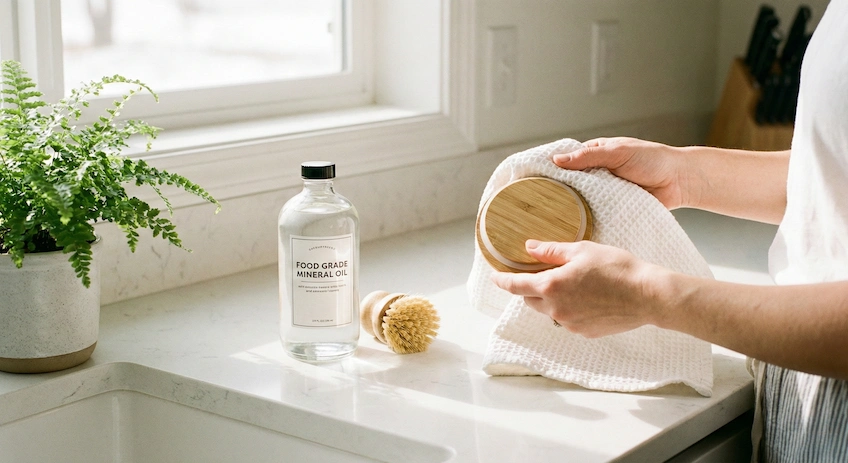
- Protocol: After washing, wipe the lid dry immediately with a clean towel.
- Storage: Never store damp lids in a closed drawer. Let them air dry completely in a ventilated rack (upright) before sealing them back onto a jar.
- Our Tech: Our Bamboo Storage Lids1 feature a silicone seal that can be removed for deep cleaning, ensuring no moisture gets trapped between the wood and the seal.
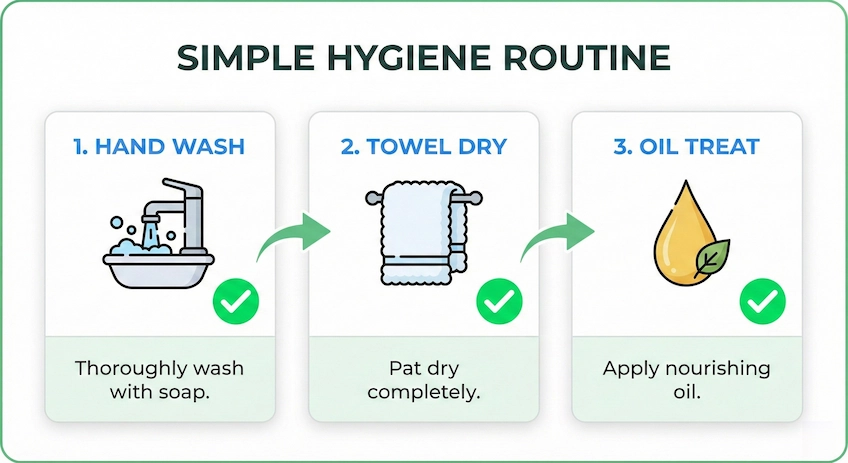
3. Conditioning: The "Spa Treatment"
Just like a cutting board, bamboo lids benefit from occasional conditioning to maintain their luster and water resistance.
- Frequency: Every 3-6 months.
- Material: Food-grade mineral oil, beeswax, or specific bamboo conditioner.
- Method: Rub a small amount of oil into the wood with a soft cloth. Let it sit for an hour, then wipe off excess.
- Benefit: Prevents drying/cracking and revives the rich color of the bamboo grain.
4. Odor Removal: Natural Solutions
Bamboo can sometimes absorb strong odors (like garlic, spices, or coffee). Do not use bleach. Use these natural methods:
- Baking Soda Paste: Mix baking soda and water. Scrub gently, let sit for 15 mins, rinse.
- Vinegar Wipe: Wipe with diluted white vinegar (mild disinfectant).
- Sunshine: Let the lid sit in direct sunlight for an hour. UV rays kill bacteria and neutralize odors.
5. Maintenance Summary Table: Do's and Don'ts
Print this guide on your product insert.
| Action | Do | Don't | Why? |
|---|---|---|---|
| Washing | Hand wash with mild soap | Dishwasher | Prevents warping & cracking. |
| Drying | Towel dry immediately | Soak in water | Prevents mold growth. |
| Storage | Ventilated, dry place | Damp, closed drawer | Airflow stops bacteria. |
| Maintenance | Mineral Oil / Beeswax | Bleach / Harsh Chemicals | Maintains finish & safety. |
Conclusion
Bamboo lids are durable, sustainable, and beautiful—if treated right. By providing these simple care instructions, you turn a packaging component into a long-lasting household item.
At ECO-BAMBOO, we produce lids designed to last, but your guidance ensures they stay perfect.
🌿 Durable by Design
Looking for bamboo lids that resist wear and tear? Request a sample of our varnished, mold-resistant bamboo lids. 👉 Get Your Durable Sample Kit
Shop Wholesale Frosted Glass Bamboo Jars with Silicone Seals. ↩