
Tips & Guides 5 min read

What is eco-friendly packaging for cosmetics?

Fendi

Updated:

We all see the rising tide of concern around waste, but why does this matter for cosmetics? Traditional cosmetic packaging, full of single-use plastics1, has a huge environmental footprint.

Eco-friendly packaging for cosmetics means using materials and designs that minimize environmental harm across the entire lifecycle of a product, from raw material selection to disposal or recycling.

eco-friendly cosmetic packaging image

When I step back and look at the industry, I see the shift is more than skin-deep. Years ago, on my travels, I saw plastic packaging washing up on beautiful shores. This image has stuck with me. That moment started my journey to create ECO-BAMBOO—a company that stands for changing packaging traditions. Now, from my vantage point, eco-friendly packaging2 is not just about less plastic. It’s about the materials we choose, the production process, and what happens after a product is used. Certifications like FSC, SGS, and ROHS help ensure global safety and sustainability standards, offering reassurance to brands and customers alike.

What is an example of eco-friendly packaging2?

Mountains of single-use packaging are making it clear that we need change now. The pressure is on brands to lead this charge.

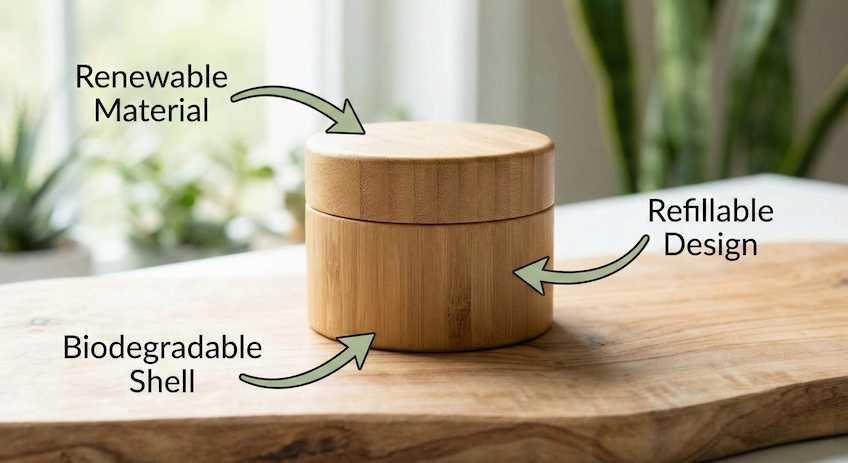
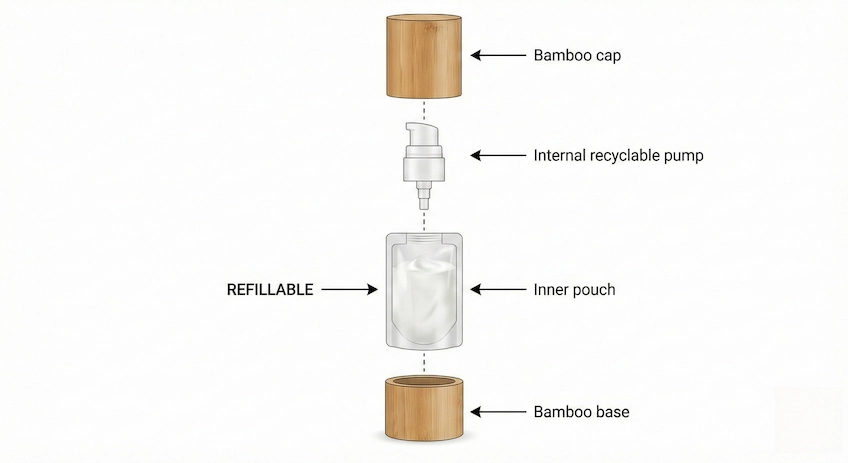
A top example of eco-friendly packaging2 is a refillable bamboo cosmetic jar3 with FSC certification4, paired with minimal, recycled paper boxes5 and soy-based inks for branding.

bamboo cosmetic packaging example

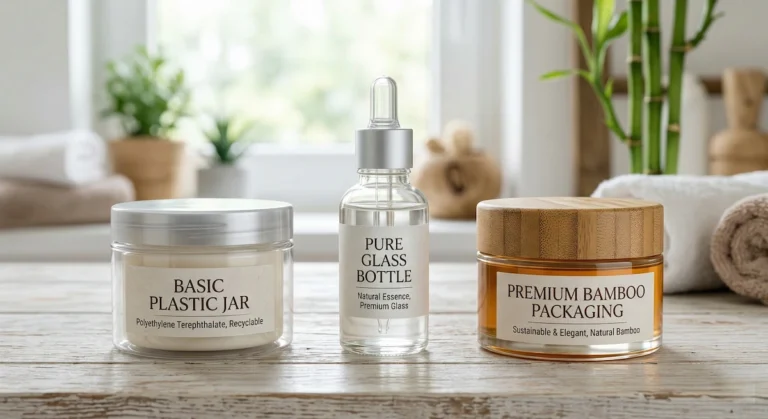
In my experience, bamboo has become a go-to choice. It’s renewable, grows fast, and feels good in your hand. Recently, I worked with a major beauty brand that wanted to upgrade its image while cutting environmental ties to plastic. Together, we developed a bamboo cap and refillable jar system. Table 1 below shows how bamboo packaging compares to traditional plastic options, considering sustainability, customer appeal, and aesthetics:

Feature Bamboo Packaging Plastic Packaging
Renewable Yes No
Biodegradable Yes No
Certification FSC, SGS, ROHS Sometimes (rare)
Aesthetic Appeal Tactile, premium Standard
Customizability High High

This shift was about more than looking good. The feedback was powerful—customers loved the natural feel and the brand’s greener message. Swapping to these eco-friendly materials became a point of pride for the brand, proof that sustainable choices can also be beautiful and sellable.

What is the meaning of eco-friendly cosmetics?

Too many products still hide behind vague labels. The eco-friendly label should mean real, measurable impact—not just a marketing buzzword.

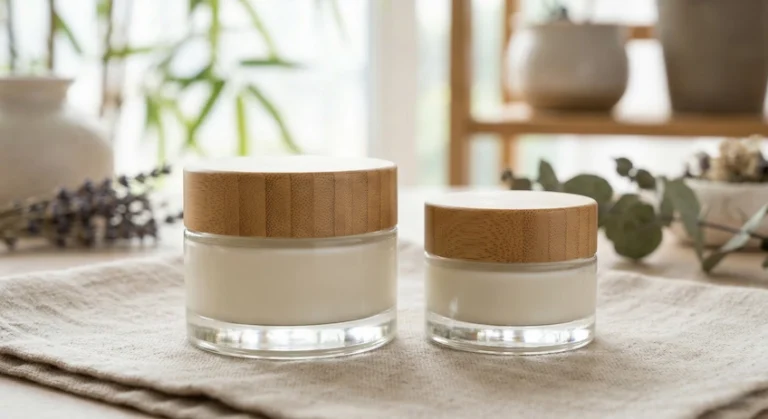
Eco-friendly cosmetics are products made and packaged with the goal of minimizing harm to the environment through responsible sourcing, ethical manufacturing, safe ingredients, and sustainable packaging.

eco-friendly cosmetics meaning image

For me, eco-friendly cosmetics start with what goes inside the bottle, but they are defined by what holds and presents the product just as much. The entire process counts—from using safe, sustainably sourced ingredients to thinking about energy during production and what happens to the package after use. The packaging, I believe, is a visible signal of a brand’s environmental commitment. If a company uses bamboo, FSC-certified wood, or biodegradable materials6, that’s a big step. However, consumers should also look for third-party certifications like Ecocert, FSC, or USDA Organic7. I recall working with a Canadian client, Mary, who demanded strict documentation for every material—her experience is proof that designers now take eco-standards seriously. This sort of vigilance, combined with innovative materials, is what defines true eco-friendly cosmetics.

What's the top eco-friendly cosmetic line?

Concern for our planet is now shaping the beauty aisle. Brands feel the urgency to rise above greenwashing8 and lead by meaningful example.

The top eco-friendly cosmetic lines focus on using sustainable ingredients9 and packaging, maintaining transparency and securing environmental certifications such as FSC, Ecocert, or COSMOS.

top eco-friendly cosmetic line image

RMS Beauty and Lush come up a lot in this space—they both use responsible sourcing, recyclable or compostable packaging, and maintain high ingredient standards. Lush, for example, offers naked products (with no packaging at all) and uses recycled, recyclable, or compostable materials when packaging is necessary. RMS, on the other hand, uses glass jars, aluminum lids, and reusable or refillable solutions10 wherever possible.

Table 2: Comparison of Eco-Friendly Cosmetic Lines

Brand Packaging Material Certifications Packaging Approach
RMS Beauty Glass, aluminum, recyclable USDA Organic7, Ecocert Refillable, minimalist
Lush Paper, compostable, recycled Vegan, Cruelty Free Naked (package-free) options
Tata Harper Glass, recycled paper COSMOS Minimal, reusable

I watched a growing number of indie and luxury brands approach me to discuss how packaging could boost their environmental credibility. My advice: pick materials with strong certification. Ensure your story is real, and let the package prove your commitment—customers notice when brands walk the talk.

How to know if packaging is eco-friendly?

It’s easy to get overwhelmed by marketing terms. Customers need to know what’s truly eco-friendly and what’s just a “greenwashed” lookalike.

You can tell if packaging is eco-friendly by checking for recognized certifications, material types (like FSC bamboo or recycled paper), minimal or no plastic use, and clear sustainability claims.

eco-friendly packaging check image

Here’s how I guide brands and designers like Mary: First, look for trusted logos—FSC for wood and paper, SGS and ROHS for overall product safety and environmental impact. If the material is biodegradable or refillable, that’s a solid sign. Transparency is key—good brands show clear traceability for materials and list out recycling or compost instructions. Sometimes, I do my own research or even contact suppliers to ask detailed questions, and every time I urge designers to do the same. Bottom line: if packaging feels sturdy, but simple, has recognizable certifications, and is easy to recycle or compost after use, consumers can trust it’s the real deal. Here’s a short checklist visualized in Table 3:

Checklist Yes/No
FSC, SGS, ROHS, Ecocert-certified
Made from renewable resources
Easy to recycle, compost, or refill
Minimal or no plastic
Clear, honest labeling

I’ve seen consumers grow more savvy over time; the brands that make life easy for eco-minded buyers will win every time.

Conclusion

Eco-friendly packaging for cosmetics means more than less plastic—it is a full commitment to responsible materials, design, and production, helping brands and customers build a greener world together.


  1. Learn about the environmental consequences of single-use plastics and the need for sustainable alternatives.

  2. Explore how eco-friendly packaging can reduce environmental impact and enhance brand image.

  3. Discover the benefits of bamboo jars for cosmetics, including sustainability and aesthetics.

  4. Understand the significance of FSC certification in promoting sustainable forestry practices.

  5. Find out how recycled paper packaging can reduce waste and conserve resources.

  6. Discover the role of biodegradable materials in reducing environmental pollution.

  7. Understand the standards behind USDA Organic certification and its impact on product quality.

  8. Learn how to spot greenwashing tactics and make informed choices about eco-friendly products.

  9. Explore the importance of sustainable ingredients in creating eco-friendly cosmetics.

  10. Discover how refillable solutions can reduce waste and promote sustainable consumption.

Ready to switch to Bamboo?

Get a competitive quote for your cosmetic packaging needs today.

Request Quote

About Fendi

Sustainable packaging expert at ECO-BAMBOO. Dedicated to providing eco-friendly solutions for the cosmetic industry.

View All Insights