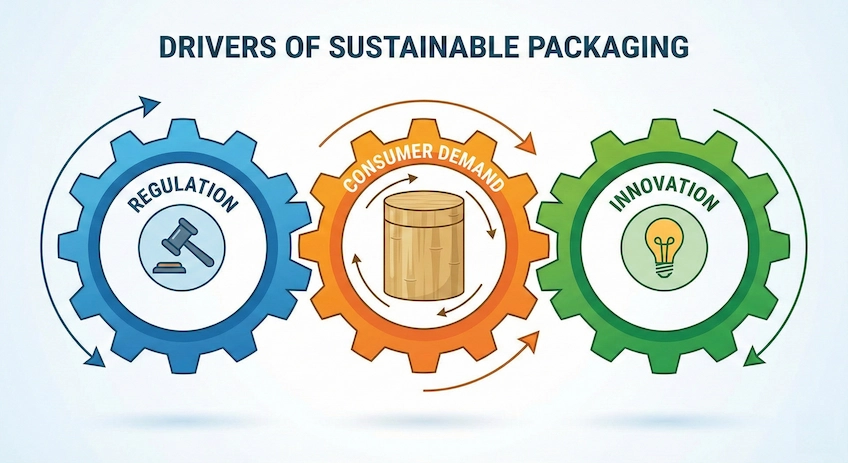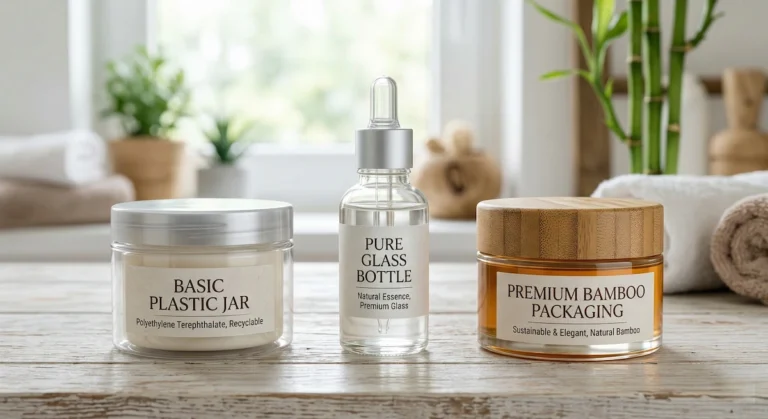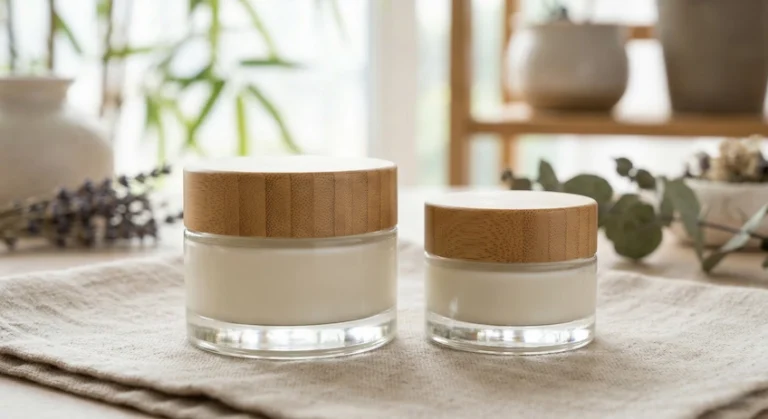
Consumers feel overwhelmed by plastic packaging waste1, and brands feel pressured to offer more sustainable choices2. Bamboo’s message is stronger than ever, promising both eco-friendliness and luxury.
Bamboo packaging3’s rise comes from growing consumer concern over plastic, new industry standards, and its renewable nature. Certifications like FSC4 and third-party safety testing5 are now essential for large brands entering the market.

Demand for certified sustainable materials6 is increasing. I witness the focus on third-party certifications firsthand in my work at ECO-BAMBOO. Cosmetics clients often insist on standards like FSC4, SGS, and ROSH. These requirements are now non-negotiable for entry, especially in Western markets. Bamboo provides not only a solution to plastic waste but also a tactile and aesthetic experience that elevates the product’s presentation. This shift isn’t just about compliance—it’s about reinforcing brands' eco-friendly narratives7.
How big is the Bamboo Cosmetic Packaging Market Size?
Bamboo cosmetic packaging has gained significant traction, mirroring the rapid growth of green beauty trends globally. Asia-Pacific and Europe lead in adoption.
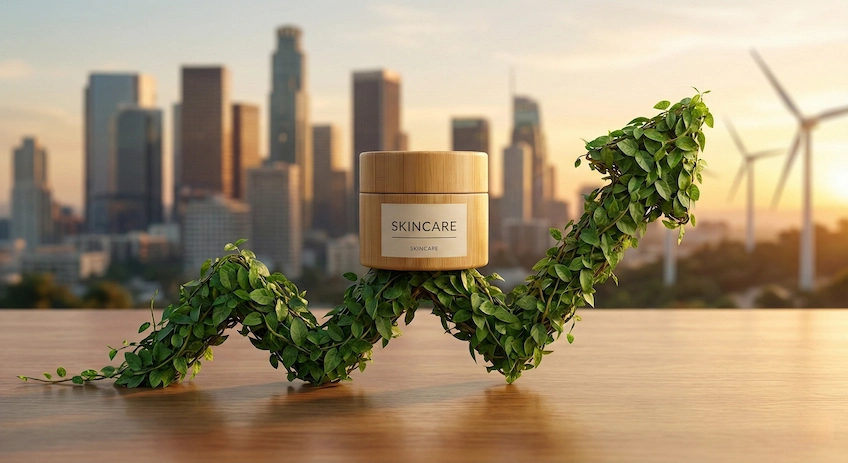
The bamboo cosmetic packaging market is seeing double-digit CAGR growth8. Prestige skincare and fragrance drive the largest share, making bamboo a key packaging choice.

Market size reflects more than demand—it’s a sign of changing beauty standards. Asia-Pacific serves as the launchpad, followed by a surge in European adoption. In my experience, major brands in these regions approach me with specific sustainability goals tied directly to market trends. They regard bamboo not only as unique but also as aligning with consumer values. As sustainability becomes the norm and not the exception, the bamboo packaging market is forecasted to reach new heights. Table 1 shows major market regions and projected growth rates.
| Region | Adoption Level | Projected CAGR (%) | Key Drivers |
|---|---|---|---|
| Asia-Pacific | High | 15-20 | Sustainability, innovation |
| Europe | Moderate | 12-16 | Eco-conscious consumers |
| North America | Emerging | 8-12 | Regulatory pressures |
| Global Total | Rising | 13-18 | Changing brand values |
What is the Bamboo Cosmetic Packaging Market Growth?
Bamboo cosmetic packaging is experiencing fast growth as more brands replace plastics with renewable materials. Prestige skincare and fragrances are fueling this expansion.
Growth in the bamboo cosmetic packaging market is driven by consumer awareness9, innovation, and regulatory mandates. Industry experts estimate double-digit CAGR growth8 for the next five years.

There’s a clear push from the luxury segment10 to shift toward bamboo. Skincare products, serums, and perfumes are leading the way. From my perspective at ECO-BAMBOO, this growth is not random—it is powered by data, with brands monitoring eco-friendly packaging adoption rates very closely. They use information pulled from consumer sentiment studies and competitive benchmarking. Refillable designs and hybrid packaging11 combining bamboo with glass or PCR are top requests from my clients. Table 2 breaks down major growth drivers and their market impact.
| Growth Driver | Description | Impact on Market |
|---|---|---|
| Consumer Eco Awareness | Shift toward sustainable products | Highest |
| Certification Requirements | Industry regulatory standards | High |
| Refillable Designs | Sustainable consumption models | Medium |
| Hybrid Materials | Enhanced look & feel | Medium |
Who are the key players of the Bamboo Cosmetic Packaging Market?
The market features a mix of startup pioneers and established companies focused on innovation, flexible production, and strict certification standards.
Key players are those offering in-house design, low MOQs, and rapid sampling, along with rigorous sustainability certifications. They are shaping the future of bamboo packaging.

I’ve learned that successful companies don’t just sell packaging; they help brands craft their green stories. At ECO-BAMBOO, clients expect not just beautiful designs but credible environmental narratives. In my experience, the top players have integrated design teams and short lead times—critical for cosmetic launches. They also maintain comprehensive certification portfolios. Table 3 maps out some benchmark traits of industry leaders.
| Company Type | Key Characteristics | Competitive Edge |
|---|---|---|
| Startups | Flexible MOQ, custom décor | Speed, creativity |
| Established Firms | Integrated design, global reach | Scale, reliability |
| Certification Labs | SGS, FSC4, ROSH compliance | Market access |
What are the key trends in the Bamboo Cosmetic Packaging Market?
Brands and designers are focusing on décor techniques, hybrid packaging11, and refillable designs12. These trends align with both consumer demand and sustainable innovation.
Trends include custom laser etching13, textured finishes, refillable packaging, and combinations of bamboo with glass or PCR. These approaches elevate eco-friendly cosmetics.

I see an increasing appetite for personalization; for instance, brands often ask me about unique etching techniques that turn each package into a statement piece. Refillable designs drive repeat engagement and reinforce sustainability. Hybrid materials offer visual and tactile contrasts, often making products stand out on the shelf. All these trends require deep collaboration between designers like Mary—who constantly test new material combinations—and packaging engineers. Table 4 details the trend landscape.
| Trend | Description | Consumer Benefit |
|---|---|---|
| Custom Décor | Laser etching, textures | Unique brand identity |
| Refillable Packaging | Designed for multi-use | Reduces waste, repeat use |
| Hybrid Materials | Bamboo fusion with glass/PCR | Aesthetic + performance |
| Certification Focus | SGS, FSC4, ROSH compliance | Credibility, safety |
Conclusion
The bamboo cosmetic packaging market’s growth is driven by eco-awareness, certifications, innovation, and design trends. Brands succeed by blending sustainability with compelling product stories.
Understanding the effects of plastic waste can help consumers make informed choices about sustainable packaging. ↩
Explore strategies brands can adopt to enhance sustainability in their packaging solutions. ↩
Discover the advantages of bamboo packaging and how it contributes to sustainability. ↩
Learn about FSC certification and its importance in promoting sustainable forestry practices. ↩
Find out how third-party testing ensures safety and compliance in packaging materials. ↩
Explore the significance of certified sustainable materials in reducing environmental impact. ↩
Learn how brands can effectively communicate their sustainability efforts to consumers. ↩
Understanding CAGR growth can provide insights into market trends and forecasts. ↩
Understand the role of consumer awareness in driving demand for sustainable products. ↩
Discover how luxury brands are adapting to sustainability trends in packaging. ↩
Learn about hybrid packaging and its role in enhancing product appeal and sustainability. ↩
Explore how refillable designs contribute to sustainability and consumer engagement. ↩
Discover how custom laser etching can enhance brand identity and product appeal. ↩