
In the competitive beauty and wellness market, packaging defines the product's perceived value. Glass Dropper Bottles are not just containers; they are precision instruments designed for potent, high-value formulations.
From Clinical Skincare to Aromatherapy, the dropper bottle remains the gold standard for dispensing low-viscosity liquids. At ECO-BAMBOO, we help brands elevate these standard bottles with sustainable Bamboo Collars and Shells1, creating a packaging solution that screams "Eco-Luxury."
1. High-Active Facial Serums (The #1 Use Case)
The most common application for glass droppers is Facial Serums. Why? Because ingredients like Vitamin C, Retinol, and Hyaluronic Acid are expensive and potent.
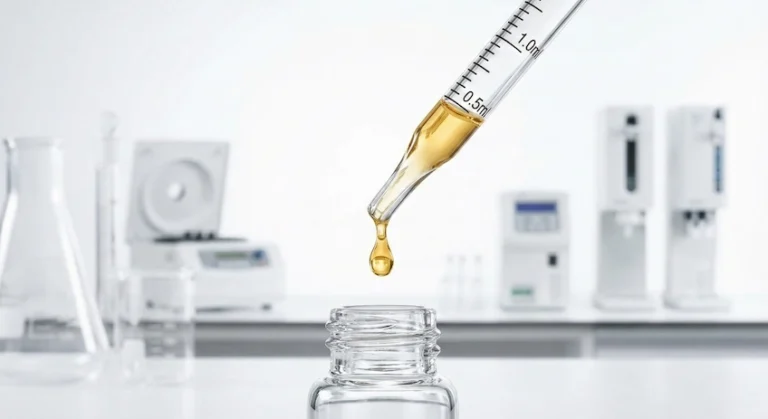
- Precision: A dropper dispenses exactly 0.5ml (one dose), preventing waste.
- Hygiene: The pipette never touches the skin, reducing contamination risk.
- Our Solution: Flat Shoulder Glass Bottles2 offer a sleek, modern silhouette that stands out on the retail shelf.
2. Essential Oils and Aromatherapy
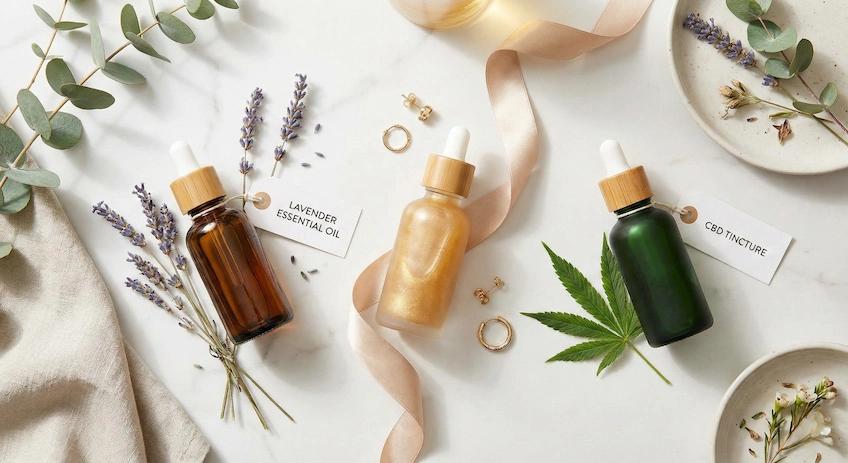
Pure essential oils are volatile and chemically aggressive. They can dissolve plastic. Amber Glass Droppers are mandatory for this category.
- Chemical Resistance: Glass is inert and won't react with concentrated oils (e.g., Tea Tree, Eucalyptus).
- UV Protection: Amber glass blocks 99% of UV rays, preventing oxidation.
- Our Solution: Wholesale Amber Glass Bamboo Dropper Bottles3 combine industry-standard protection with a natural bamboo aesthetic.
3. CBD and Nutraceutical Tinctures
As the CBD market matures, "Medical-Grade" packaging is becoming a requirement.
- Dosing Accuracy: Consumers need to know exactly how many milligrams they are taking.
- Child Resistance: Many regulations require CRC (Child-Resistant Closures) for ingestible products.
- Our Solution: Our Calibrated Bamboo Droppers1 feature printed measurement lines (0.25ml, 0.5ml, 1.0ml) for precise dosing.
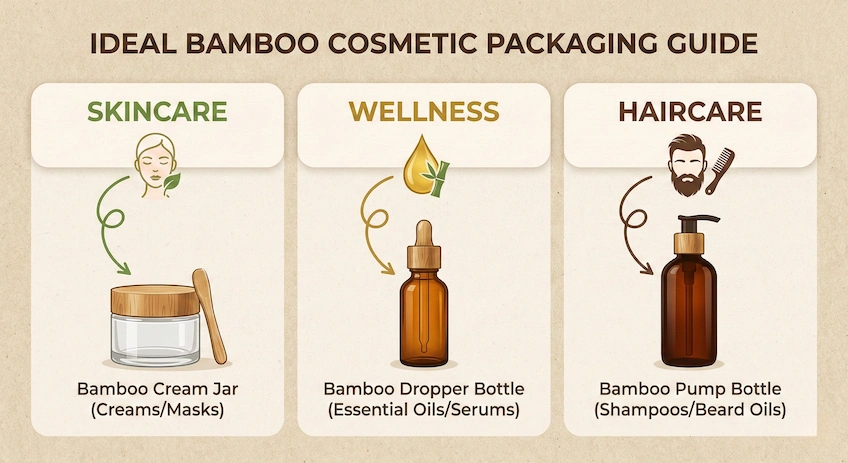
4. Application Matrix: Choosing the Right Bottle
Not all droppers are the same. Match your product to the right bottle type.
| Product Category | Best Glass Color | Best Dropper Type | Why? |
|---|---|---|---|
| Vit C Serum | Amber / Opaque | Standard Pipette | Needs UV protection to prevent browning. |
| Hydrating Oil | Clear / Frosted | Push-Button Dropper | Showcases the product's natural color. |
| Essential Oil | Amber | Euro Dropper (Orifice Reducer) | Controls flow for very thin liquids. |
| CBD Oil | Amber / Green | Calibrated Pipette | Critical for dosage accuracy. |
5. Hair Oils and Beard Oils
The male grooming market has embraced the "Apothecary Look." Glass droppers provide a masculine, scientific aesthetic that appeals to beard oil consumers.
- Viscosity Handling: Droppers handle medium-viscosity oils (like Argan or Jojoba) better than pumps, which can get clogged.
Conclusion
What are the best uses for glass dropper bottles? Any product where Potency, Precision, and Purity are paramount.
Whether you are launching a high-end serum or a therapeutic oil, ECO-BAMBOO's Glass Dropper Solutions provide the protection your formula needs with the sustainable look your customers demand.
💧 Elevate Your Brand
Ready to find the perfect dropper for your product? Request a sample kit of our Serum, Oil, and Tincture bottles. 👉 Get Your Application Sample Kit