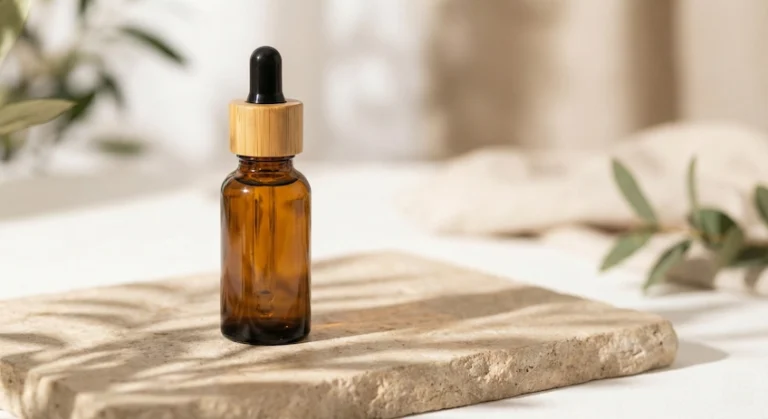


For an essential oil roller, the best application instructions are those supported for the finished formula and its intended use. A packaging supplier cannot establish a universal pulse-point routine or promise “maximum benefit” from the applicator.
For brand teams and wholesale buyers, the useful task is to align directions, claims and the roller assembly before approving artwork. A body-location diagram should come from the product’s reviewed directions, not a generic promise about faster absorption.
Approve the intended use before the label
The FDA’s aromatherapy guidance explains that classification depends on intended use, including website, label and advertising claims. Claims to treat anxiety, ease pain or help sleep can be drug claims. A fragrance presentation does not automatically make therapeutic wording cosmetic.
Keep the proposed use and claim text with the formula review. Do not assign treatment effects to wrists, temples, behind the ears or the neck.
What should a pulse-point instruction establish?
Have the person responsible for the finished product approve the application location, amount, frequency, restrictions and warnings appropriate to that formula. Do not infer them from bottle capacity or roller-ball material.
If the approved product directions name an application area, reproduce those directions consistently on the pack and product page. Do not add claims that a location provides rapid absorption, proximity-to-brain benefits or an enhanced treatment effect without an appropriate basis.
“Natural” does not establish safety. FDA notes that plant-derived ingredients can irritate skin or cause allergic reactions. This article does not supply a dilution recipe or a universal application routine.
Specify the dispensing system separately
Request the contact container, roller ball, seat, seals and closure specifications for the actual assembly. Explain the finished formula and the intended dispensing experience through your agreed technical review process.
A metal ball may be a design choice; it does not prove pain relief, absorption or compatibility. Confirm available materials rather than assuming every option is offered.
Qualify formula and pack together
Agree sample identifiers, assembly and formula versions, evaluation conditions and acceptance criteria. Check the relevant dispensing behaviour, fit and closure operation with the actual formula.
Review any leak or dose statement against the study supporting it. A smooth-moving dry sample does not establish leak resistance or a repeatable application amount.
Prepare a complete sourcing brief
Include the approved use, target market, fill quantity, formula information for evaluation, proposed directions, artwork area and order requirements. Ask which roller configurations are available and what needs development.
Explore bamboo roller bottle options and send ECO-BAMBOO your brief. Obtain the actual specification and sample; this guide makes no medical-benefit, leakage or regulatory-approval guarantee for an unspecified item.
<!--[googlesitekit-end-of-content]-->