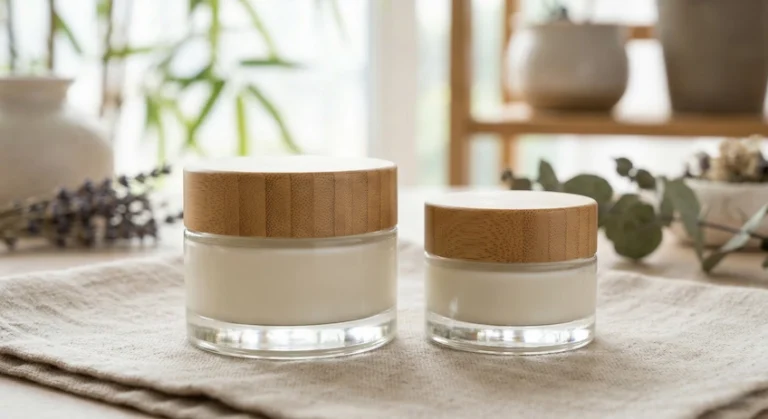
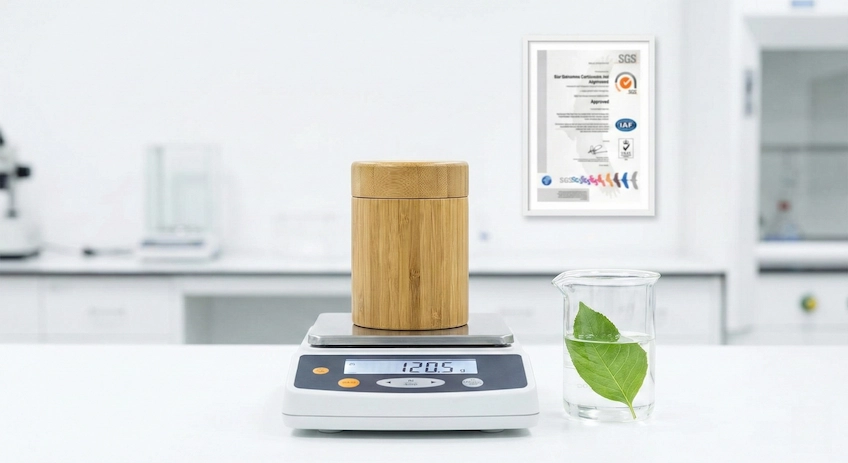
Many ask if “natural” bamboo is really natural inside cream jars. The truth is, treatment and coating play a vital role—transparency here defines trust in sustainable packaging1.
Bamboo in cream jars is usually treated with food-safe, SGS/ROSH-certified2 coatings like natural oils or water-based lacquers to enhance durability and prevent moisture, without adding harmful chemicals.

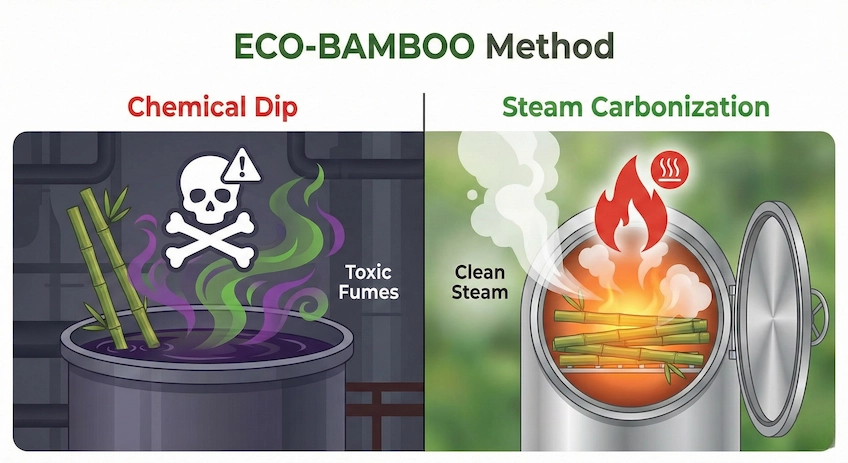
In my work with global brands, I’ve learned how important it is to disclose every step in the process. High-quality bamboo packaging3 doesn’t rely on harsh chemical treatments or toxic preservatives. The oils, lacquers, or waxes used must be food-grade and certified, ensuring they don’t leach into creams or irritate skin. At ECO-BAMBOO, this standard is built into every batch. Transparency in treatment not only earns regulatory approval, but it reassures both procurement pros and eco-conscious end users that bamboo packaging3 is safe, durable, and reliable.
Is bamboo packaging3 really sustainable?
Bamboo packaging is considered truly sustainable because bamboo regrows rapidly, needs little water, and can be harvested without killing the plant, minimizing environmental impact.

Sustainability isn’t just a buzzword; it’s real when the whole supply chain is responsible—from harvesting to finishing. Bamboo’s fast growth and natural abundance put it ahead of other raw materials. In my own projects, genuine sustainability always means more than just the type of plant: it’s about using certified, responsibly sourced bamboo4 and choosing processing and coating methods5 that keep the entire product eco-friendly. What matters is proof—third-party certifications, clear documentation, and end-of-life plans for packaging. A brand that implements this earns true eco credibility on the world stage.
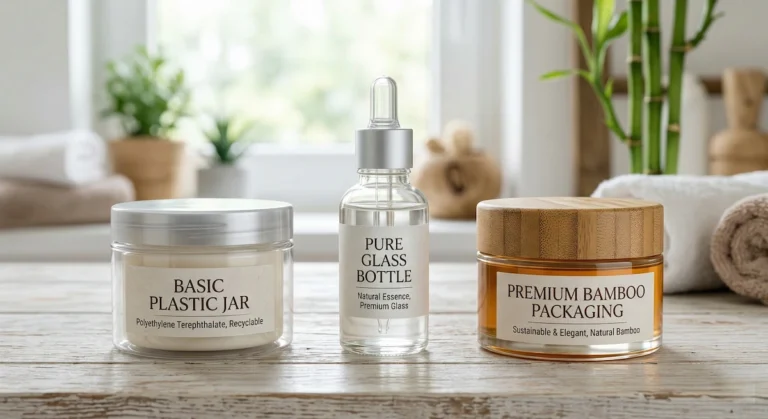
Bamboo vs Other Materials Table
| Feature | Bamboo | Plastic | Glass |
|---|---|---|---|
| Renewability | High | Low | Moderate |
| Water Footprint | Low | High | High |
| Biodegradability | Yes | No | Yes, but slow |
| End-of-life | Compostable | Landfill/incinerated | Recyclable |
Is bamboo packaging3 toxic?
Properly certified bamboo packaging3 is non-toxic, containing no BPA, phthalates, or petroleum-based contaminants and meeting international standards for safety.

I get this question often, especially from brands transitioning out of conventional plastics. The answer ties back to certifications and the full list of ingredients. High-quality bamboo packaging3, like ours at ECO-BAMBOO, never introduces chemicals that could transfer to cosmetics or food. We rely on coatings and treatments that pass strict tests—SGS and ROSH—both for human health and environmental friendliness. In practice, this makes well-made bamboo less toxic than petrochemical-based plastics, bringing measurable peace of mind to clients and customers alike.
Toxicity Factors Table
| Factor | Certified Bamboo | Uncertified Bamboo | Plastic Packaging |
|---|---|---|---|
| BPA/Phthalate-free | Yes | Not always | Sometimes present |
| Leaching risk | Very low | Moderate/high | Moderate/high |
| Regulatory approval | Easy with certification | Often lacking | Varies |
What is the coating on bamboo lids?
The coating on bamboo lids is most often a food-safe material—plant-based oil, water-based lacquer, or natural wax—certified for contact safety by bodies like SGS or ROSH.

My conversations with packaging engineers and end clients always return to the importance of finishing layers. These coatings keep the bamboo from soaking up water or oil, guard against stains, and add a gentle sheen. The best manufacturers, including ECO-BAMBOO, use only those finishes that carry internationally recognized safety certifications, minimizing exposure to any unwanted chemicals. Whether the coating is a natural oil or an advanced water-based lacquer, the goal is always durability, resistance to mold, and absolute non-toxicity for sensitive uses.
Bamboo Lid Coatings Table
| Coating Type | Main Benefit | Certification | Suitability |
|---|---|---|---|
| Plant-based oil | Natural feel, moisture barrier | SGS/ROSH | Cosmetics/Food |
| Water-based lacquer | Hard, glossy, food safe | SGS/ROSH | Cosmetics/Food |
| Natural wax | Soft, smooth, safe | SGS/ROSH | Cosmetics/Food |
Is bamboo safe for food packaging?
Bamboo is safe for food packaging when treated with certified, food-grade coatings and verified as compliant with all international contact standards.

In discussions with our European clients, demonstrating certified safety for food contact is often the final hurdle in a procurement decision. We provide full SGS/ROSH test reports showing our bamboo lids and jars pass all migration and residue limits, ensuring no transfer of toxins or unwanted flavors. Clients relax knowing each batch is tested to meet EU food standards6—the strictest baseline in the industry. For everyday use, this means your bamboo packaging3 is not only sustainable, but also perfectly suited for everything from body butter to gourmet spices.
Food Safety Compliance Table
| Requirement | Why It Matters | How Bamboo Qualifies |
|---|---|---|
| Food-grade materials | Safe for ingestion | Certified finishes/coatings |
| Migration/residue testing | No chemical transfer | SGS/ROSH, EU approval |
| Hygiene, easy to clean | Consumer safety | Durable, smooth finish |
Conclusion
With certified, food-safe coatings7 and responsible sourcing, bamboo packaging3 delivers sustainability and non-toxicity—making it a proven safe choice for both cosmetics and food.
Explore this resource to understand effective strategies and innovations in sustainable packaging, enhancing your eco-friendly initiatives. ↩
Understand the significance of SGS/ROSH certifications in bamboo packaging. ↩
Explore this resource to understand how bamboo packaging is eco-friendly, non-toxic, and a sustainable alternative to plastics. ↩
Understand the importance of sourcing bamboo responsibly for sustainability. ↩
Discover effective coating methods that enhance bamboo packaging durability. ↩
Learn about the strict EU food standards that ensure packaging safety. ↩
Learn about the importance of food-safe coatings in ensuring safety and sustainability. ↩