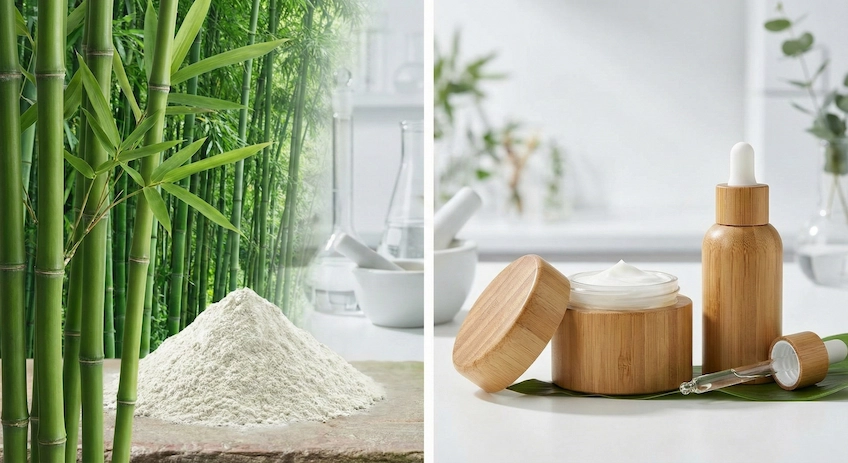
Many still think of bamboo1 as just a sustainable packaging material. In reality, bamboo1 has found a unique spot inside the bottles and jars of today’s cosmetics as well.
Bamboo is now used in cosmetics for its natural silica2, antioxidants3, and skin-enhancing properties4, appearing in creams, lotions, masks, powders, and more. Its presence supports both product performance and environmental responsibility.

Beauty brands and formulators are turning to bamboo1 not just for eco-friendly packaging5, but for the formulas themselves. As someone deeply involved in sustainable packaging, it’s intriguing to witness how bamboo1 connects packaging innovation with real skincare benefits. I’ve noticed more brands aligning their ingredients and containers, especially those appealing to green-minded buyers. This dual use—both inside and outside the package—has become a marker of authenticity and responsibility in an industry under pressure to deliver cleaner beauty. In this article, I’ll show why bamboo1 is more than a trend—it’s changing how we think about beauty, sustainability6, and efficacy.
What are the benefits of bamboo1 extract in cosmetics?
Bamboo extract brings a natural source of silica, amino acids, and antioxidants3, which help strengthen skin, promote radiance, boost hydration, and protect against visible signs of aging7.

Looking deeper, bamboo1 extract stands out because of its high silica content. Silica supports the skin’s natural collagen production, which can mean firmer and smoother looking skin over time. Amino acids in bamboo1 also help fortify the skin’s barrier, locking in moisture and shielding against pollutants. Antioxidants, meanwhile, fend off free radicals, which are known to accelerate aging. For those seeking lightweight formulas8, bamboo1 powder delivers a soft-focus, matte effect that feels luxurious without clogging pores. My own conversations with cosmetics designers make clear that bamboo1’s multitasking benefits are key selling points, especially as shoppers demand both visible results and greener sourcing.
| Bamboo Benefit | Skin Impact | Example Cosmetic Uses |
|---|---|---|
| Silica | Strengthens, promotes radiance | Creams, serums, lotions |
| Amino acids | Hydrates, supports barrier function | Masks, hydrating gels |
| Antioxidants | Reduces visible aging, protects | Anti-aging creams, daily moisturizers |
| Powder texture | Mattifies, light, smooth feel | Setting powders, finishing compacts |
Why is bamboo1 a good ingredient for skincare products?
Bamboo’s rich nutrient profile, lightweight feel, and natural compatibility with skin make it an ideal base ingredient for many skincare lines.

From a product designer’s perspective, bamboo1 is a dream. It offers beauty brands a way to infuse natural minerals and subtle texture into formulas. Many brands now use bamboo1 extract for its ability to balance oil, reduce shine, and soothe sensitive skin—all major concerns for today’s consumers. When we developed concept packs for clients, often the ingredient story influenced even the look of the packaging: think natural bamboo1 hues, eco-certifications featured on labels, and clear communication about the ingredient’s origin.
Bamboo also satisfies consumer desires for “clean” beauty. It’s hypoallergenic, non-irritating, and classed as safe for frequent use. As more buyers scan labels for recognizable, traceable materials, bamboo1 stands out. In my conversations with Mary, a seasoned packaging designer for cosmetics, she noted that bamboo1’s sustainability6 story frequently tips the scale for clients debating between classic actives or trending botanicals. When an ingredient delivers on performance and ethics, it naturally becomes a star.
Key Benefits Table
| Feature | Why It Matters | Typical Product Types |
|---|---|---|
| Lightweight Nature | Doesn’t weigh skin down | Day creams, BB creams |
| Oil Control | Helps mattify, reduce breakouts | Powders, blotting papers |
| Soothing Effect | Calms irritation, redness | Sensitive skin formulas |
| Sustainability | Reduces chemical and plastic use | All-natural product lines |
What types of bamboo1 are used in cosmetic formulations?
Cosmetics often use Bambusa vulgaris9 and Phyllostachys edulis10, prized for their purity, high silica, and traceability.

Bamboo varieties are not all created equal. Bambusa vulgaris9, native to tropical and subtropical regions, is widely favored for its consistent silica yield. Phyllostachys edulis10, or moso bamboo1, is another standout—especially in cosmetics looking to emphasize origin stories or certifications. Both types thrive in managed, certified forests, making traceability and compliance with certifications like FSC or SGS easier.
The sourcing story of these bamboo1s is essential for beauty brands wanting to communicate sustainability6. When consulting for eco-conscious brands, I always highlight the importance of traceable, third-party certified bamboo1. Mary, with her extensive experience in packaging design, regularly pushes for proof of origin from suppliers. The right bamboo1 species assures not just efficacy in formulas, but aligns the entire product narrative—from farm to face.
| Bamboo Species | Notable Features | Typical Usage | Certification Availability |
|---|---|---|---|
| Bambusa vulgaris9 | High silica, easy processing | Extracts, powders, gels | FSC, SGS, ROSH |
| Phyllostachys edulis10 | Purity, large-scale cultivation | Premium skincare, serums | FSC, SGS, ROSH |
What are the applications of bamboo1 extract in beauty products?
Bamboo extract is found in hydrating creams11, mattifying powders12, exfoliating scrubs13, masks, and haircare—enhancing both performance and sustainability6 points for beauty brands.

The list of applications continues to grow every season. Hydrating day creams and night masks use bamboo1 extract for its calming, moisturizing boost. Mattifying powders and translucent setting compacts love bamboo1 for its light, oil-absorbing finish. Scrubs and exfoliants leverage finely-milled bamboo1 powder for gentle, eco-friendly exfoliation, replacing harsher microplastics. Some innovative haircare lines have started using bamboo1 extract to strengthen hair, prevent breakage and add shine.
| As a partner to many brands pioneering sustainable lines, I’ve watched the versatility of bamboo1 unfold in real time. Beauty R&D teams highlight its compatibility with “clean” claims, while marketing teams value the powerful visual story bamboo1 brings to packaging and advertising. And with ongoing consumer demand for ingredient transparency14, I expect to see ever more creative uses of bamboo1—from serum boosters to even more sustainable cosmetic containers. | Product Type | Bamboo Role | Benefit to Consumer |
|---|---|---|---|
| Hydrating creams | Extract | Smooths, increases hydration | |
| Mattifying powders | Powder | Controls shine, feels weightless | |
| Exfoliating scrubs | Fine granules | Gently removes dead skin | |
| Masks | Extract, powder | Calms, revitalizes skin | |
| Haircare | Extract | Strengthens, boosts shine |
Conclusion
Bamboo is reshaping cosmetics from inside out, delivering real skincare benefits and sustainable credibility for forward-thinking beauty brands worldwide.
Explore how bamboo enhances cosmetic formulations with its unique properties. ↩
Learn about the skin benefits of natural silica found in bamboo. ↩
Discover the role of antioxidants in skincare and their anti-aging effects. ↩
Find out how bamboo extract improves skin health and appearance. ↩
Understand the importance of sustainable packaging in the beauty industry. ↩
Understand the growing demand for sustainable practices in beauty. ↩
Learn about the anti-aging benefits of bamboo in skincare. ↩
Explore why consumers prefer lightweight skincare products. ↩
Learn about this bamboo species and its significance in skincare formulations. ↩
Discover how this bamboo type enhances cosmetic efficacy and sustainability. ↩
Find out how bamboo extract boosts hydration in skincare products. ↩
Learn how bamboo enhances the performance of mattifying cosmetics. ↩
Explore the gentle exfoliation properties of bamboo in skincare. ↩
Understand the significance of clear ingredient labeling for consumers. ↩