
For a skincare brand, "How many drops are in 1ml?" is not just a math question—it is a critical issue of Formulation Integrity and Consumer Safety.
Inconsistent dosage leads to customers running out of product too fast (bad value) or too slow (low repurchase rate). Standard generic droppers vary wildly, delivering anywhere from 0.03ml to 0.06ml per drop.
How do you ensure your premium serum delivers the exact dose you designed?
The answer lies in sourcing Precision-Calibrated Glass Dropper Bottles1. This guide explains the science of viscosity, the "20-Drop" standard, and how ECO-BAMBOO helps brands achieve medical-grade accuracy.
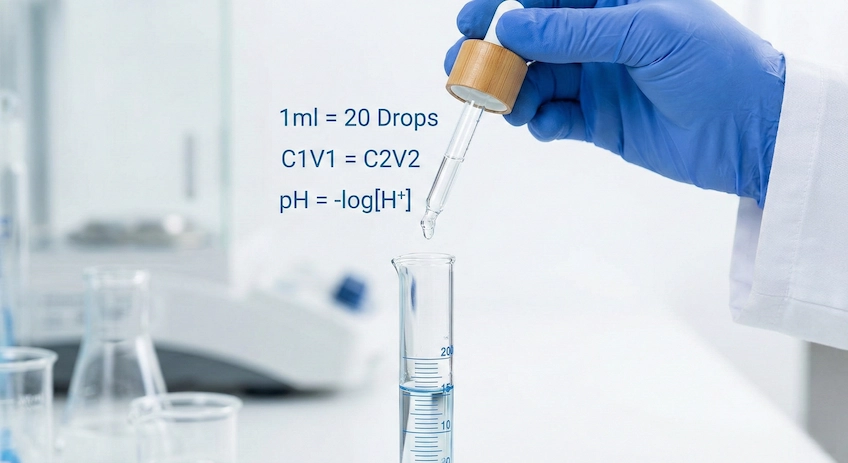
1. The Science of "The Drop": Viscosity Matters
There is no universal "standard drop." The volume dispensed depends heavily on your formula's Viscosity and Surface Tension. A watery toner flows differently than a thick night oil. Using the same pipette for both is a packaging failure.
According to the FDA's Guidance on Dosage Delivery Devices for OTC Liquid Drug Products2, consistent delivery systems are essential for product efficacy.
Dosage Variability by Formula Type
We tested our standard Bamboo Dropper Assemblies3 across different textures. Here is the data for your R&D team:
| Formula Type | Viscosity | Drops per 1ml (Approx.) | Volume per Drop | Recommended Pipette Tip |
|---|---|---|---|---|
| Water / Toner | Low | 20 - 25 drops | ~0.045 ml | Standard Pointed Tip |
| Facial Oil | Medium | 18 - 20 drops | ~0.050 ml | Standard or Ball Tip |
| Hyaluronic Serum | High (Gel) | 15 - 18 drops | ~0.060 ml | Wide Mouth / Ball Tip |
B2B Pro Tip: Never assume 1ml = 20 drops. Always request samples to perform a "Compatibility Test" with your specific bulk liquid.
2. The Solution: Calibrated Bamboo Droppers
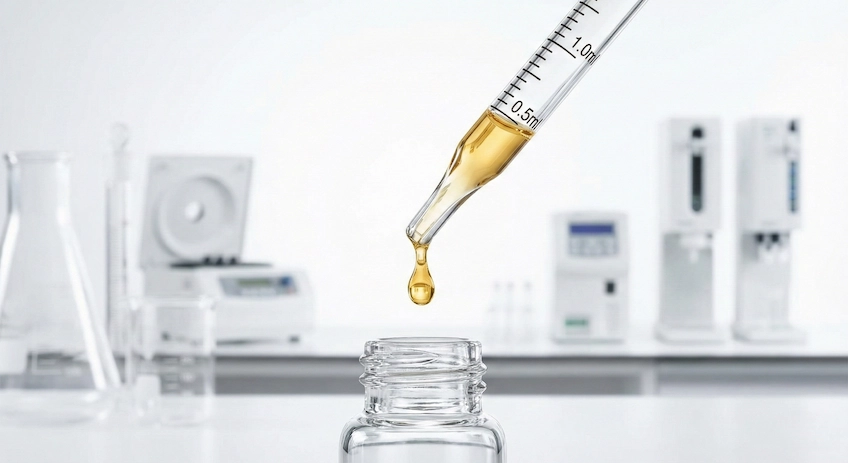
To eliminate guesswork, high-end brands are switching to Printed Calibrated Pipettes. ECO-BAMBOO offers glass pipettes with marked measurements (0.25ml, 0.5ml, 0.75ml, 1.0ml).
Why Upgrade to Calibrated Droppers?
- Perceived Value: It looks medical, professional, and expensive.
- User Experience: Customers can follow strict instructions (e.g., "Apply 0.5ml nightly").
- Waste Reduction: Prevents users from over-applying potent actives like Retinol.
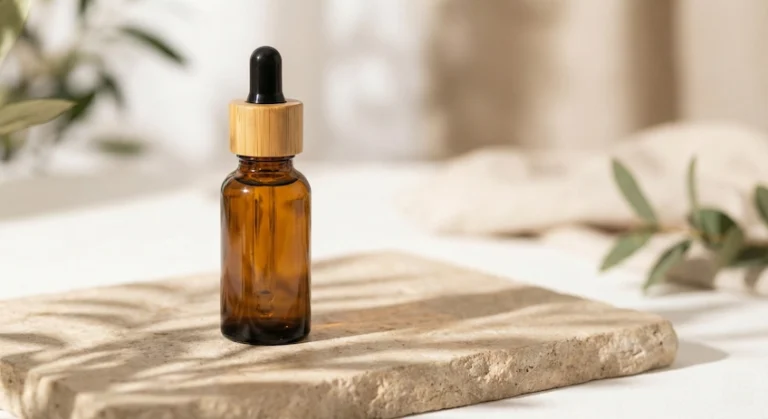
Our Wholesale Glass Bamboo Dropper Bottles1 can be customized with these markings to match your brand's precision requirements.
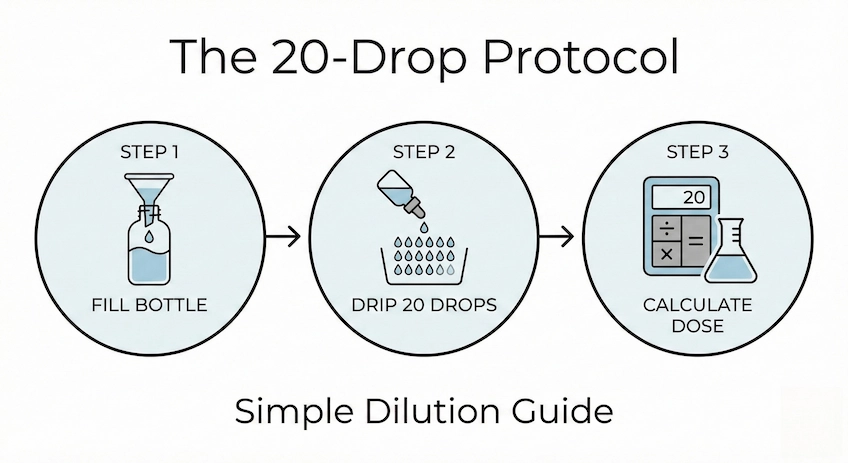
3. How to Validate Your Dropper (The QC Protocol)
Before placing a bulk order, your Quality Control team should perform the "20-Drop Calibration Test". This simple protocol ensures the packaging matches your formula.
- Fill: Fill the Bamboo Dropper Bottle4 with your actual bulk product (not water).
- Dispense: Vertically drip exactly 20 drops into a graduated cylinder.
- Calculate: Measure the total volume and divide by 20.
- Formula: Total Volume (ml) ÷ 20 = Volume per Drop.
- Adjust: If the drop is too big, switch to a finer pipette tip. If too small, use a wider tip.
Research from the National Center for Biotechnology Information (NCBI)5 highlights that vertical holding angle significantly impacts drop size accuracy. Ensure your testing is consistent.
Conclusion
Packaging is the delivery system for your brand's promise. If your bottle delivers the wrong dose, the customer gets the wrong result.
Don't leave dosage to chance. Switch to ECO-BAMBOO's precision-engineered assemblies, designed for brands that prioritize accuracy and aesthetics.
🧪 Validate Your Dosage
Ready to test? Request a Calibration Sample Kit with various pipette tip sizes. 👉 Get Calibrated Samples