Tips & Guides 5 min read

How durable is bamboo packaging for protecting cosmetic products during shipping and handling?

Fendi

Updated:

Are you worried your cosmetics might not survive the journey to customers? Durable, eco-friendly packaging is key, but not all materials perform the same under shipping stress.

Bamboo packaging1 is highly durable for shipping cosmetics. Its fibrous structure absorbs impact and prevents damage, while lightweight properties keep shipping costs low. Hybrid models2 improve resistance to moisture and temperature, offering superior protection during transit.

Bamboo packaging durability

Shipping cosmetics safely is a challenge I face with every new brand collaboration. I’ve watched bamboo packaging prove effective, but I know its limits. Bamboo absorbs shocks and looks great, yet pure bamboo needs finishing touches to cope with rough shipping environments. Insights from my work with ECO-BAMBOO show superior results when designers use hybrid solutions. Let’s unpack how bamboo handles impact, moisture, and combines with other materials to deliver high durability for cosmetics.

How effectively does bamboo packaging protect cosmetic products from impact and environmental stresses during transit?

Cracked bottles and crushed compacts can ruin a customer’s first impression. No one wants their luxury cosmetics damaged before use.

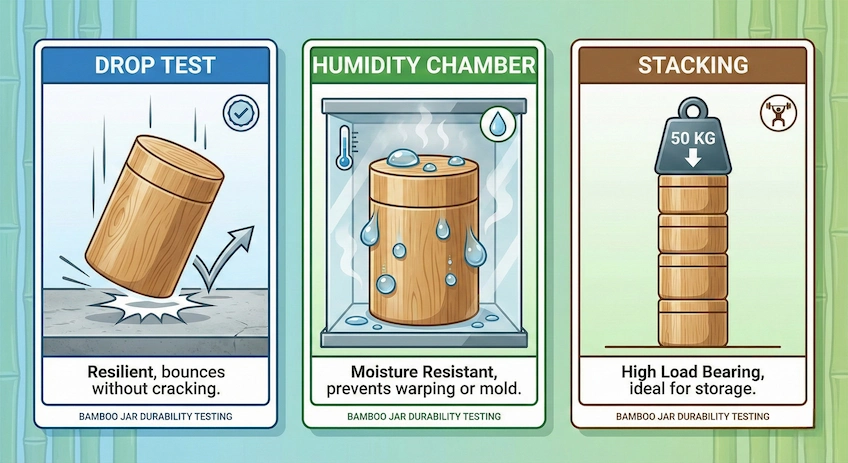
Bamboo packaging1 provides strong impact resistance thanks to its natural fibers. It can absorb energy from drops and bumps, shielding fragile products. Bamboo also offers partial resistance to humidity and temperature if treated, but hybrid inserts enhance protection against environmental stresses.

Bamboo impact resistance

Protection during shipping starts with sturdy structure. When I compare bamboo to common packaging like cardboard or plastic, bamboo’s fibrous layers stand out for soaking up shocks. That’s why bamboo packaging seldom cracks or dents when dropped. Yet, every time I ship internationally, factors like humidity on the ocean or season changes test the packaging. Untreated bamboo absorbs moisture, which may affect both aesthetics and strength. On one project, I watched a cosmetics line travel through humid Asian ports and saw untreated bamboo start to warp. After switching to barrier-coated bamboo or using hybrid packaging with water-resistant liners, the problem vanished. Now, I always recommend these enhanced approaches for best protection.

Material Impact Resistance Moisture Resistance Weight Cost Impact
Standard Bamboo High Medium (when treated) Low Lower fees
Cardboard Low Low Low Neutral
Recycled Plastic Medium High Moderate Higher fees
Hybrid Bamboo Very High Very High Low Lower fees

What are the limitations of bamboo packaging's durability, especially concerning moisture and temperature fluctuations during shipping?

Shifting climates and unpredictable weather make shipping a minefield. Packaging must endure both drops and environmental extremes.

Bamboo packaging1’s key limitation is sensitivity to moisture and temperature swings. Without protective coatings or liners, bamboo may warp, swell, or crack during shipping. Hybridization and moisture-resistant finishes can significantly boost its durability in harsh conditions.

Bamboo packaging limitations

Bamboo stands up to impact, but weather is a different challenge. Once, I shipped untreated bamboo packaging for a summer cosmetics launch, only to see some containers warped by monsoon humidity. That experience taught me to always push for SGS- or ROSH-certified moisture barriers. Bamboo itself is porous; moisture can seep in, causing swelling or even mold if shipping takes too long. Rapid temperature shifts—from cold storage to hot delivery vans—can cause bamboo to crack without extra protection. Today, I tell clients that true durability needs hybrid approaches. Pairing bamboo shells with recycled plastic interiors or laminated liners keeps contents dry and stable from factory to doorstep.

Limitation Untreated Bamboo Treated Bamboo Hybrid Packaging
Moisture Resistance Poor Good Excellent
Crack Resistance Moderate Good Excellent
Warp Resistance Low High Very High

Can hybrid bamboo packaging solutions offer enhanced protection for cosmetic products during rigorous shipping and handling?

Mixing materials to get the best of both worlds sounds smart, but does it really protect delicate cosmetics better?

Hybrid bamboo packaging boosts both impact and environmental resistance. It pairs bamboo’s natural strength with inserts or liners made from recycled plastic, silicone, or barrier-coated materials. These hybrid designs reduce risk of warping, cracking, and moisture infiltration during rigorous shipping.

Hybrid bamboo packaging solutions

My most rewarding projects come from pushing packaging design. I partner with cosmetic brands that ship globally, and I always advocate for hybrid designs because they work. For one luxury brand, we built bamboo exteriors over recycled plastic cushioned inserts. The packaging sailed through humidity in Southeast Asia and freezing ports in Scandinavia, keeping glass bottles intact. It passed all drop tests and retained aesthetic appeal—key for luxury cosmetics. Hybridization also fits ECO-BAMBOO’s philosophy: high performance without abandoning sustainability. Certifications like SGS or ROSH back up our claims and ensure materials coexist seamlessly. By integrating hybrid bamboo packaging, my clients consistently report fewer returns and happier customers.

Feature Pure Bamboo Hybrid Bamboo
Impact Protection High Very High
Moisture Resistance Moderate Very High
Temperature Resilience Moderate Very High
Aesthetic Value High High
Sustainability3 High High

How does bamboo packaging's strength and lightweight nature impact shipping costs and product integrity for cosmetics?

Many brands worry that eco-friendly packaging will raise costs or compromise safety. Does bamboo help or hurt the bottom line?

Bamboo packaging1’s lightweight and strong structure reduces shipping fees while protecting cosmetics from breakage. Lower weight translates to less fuel use and reduced carbon emissions, making shipments greener and cheaper without sacrificing product integrity.

Bamboo packaging shipping cost

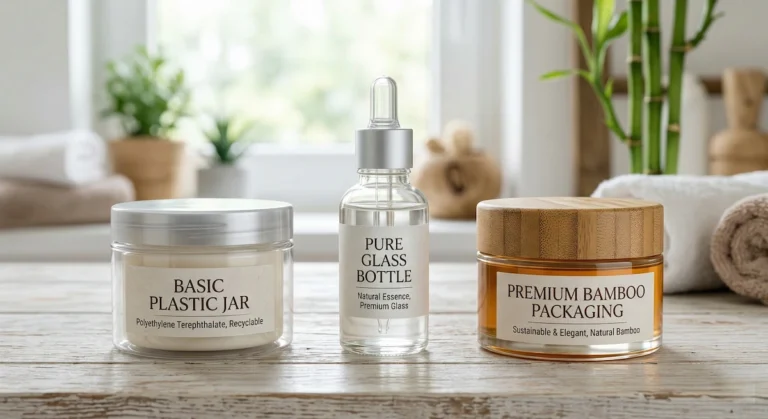
Early in my packaging career, shipping costs were always a headache. Heavy packaging meant bigger fees and higher carbon footprints. Switching to bamboo was a game changer. Its strength-to-weight ratio means boxes stay light without losing durability. For every 1,000 units shipped, brands save hundreds in transport costs. Less fuel burned means better sustainability. If I compare bamboo to glass or dense plastics, bamboo shines for both cost and eco-value. My clients now ask for lighter, SGS-certified designs that maximize product safety but are easy on wallets and the planet. At ECO-BAMBOO, I design hybrid bamboo models to balance weight, strength, and style for global shipments.

Metric Bamboo Packaging Glass Packaging Plastic Packaging
Average Unit Weight (g) 55 220 75
Shipping Cost (Per 1000) Low Very High Medium
Breakage Rate <1% 10% 3%
Environmental Footprint Minimal High Moderate

Conclusion

Bamboo packaging1 offers tough, sustainable protection for cosmetics in transit. When treated or hybridized, it handles impact, moisture, and temperature while lowering shipping costs for eco-conscious brands.


  1. Explore how bamboo packaging can enhance the durability and sustainability of your cosmetic products.

  2. Find out how hybrid models can improve packaging performance and sustainability.

  3. Understand the role of sustainability in modern packaging solutions for cosmetics.

Ready to switch to Bamboo?

Get a competitive quote for your cosmetic packaging needs today.

Request Quote

About Fendi

Sustainable packaging expert at ECO-BAMBOO. Dedicated to providing eco-friendly solutions for the cosmetic industry.

View All Insights