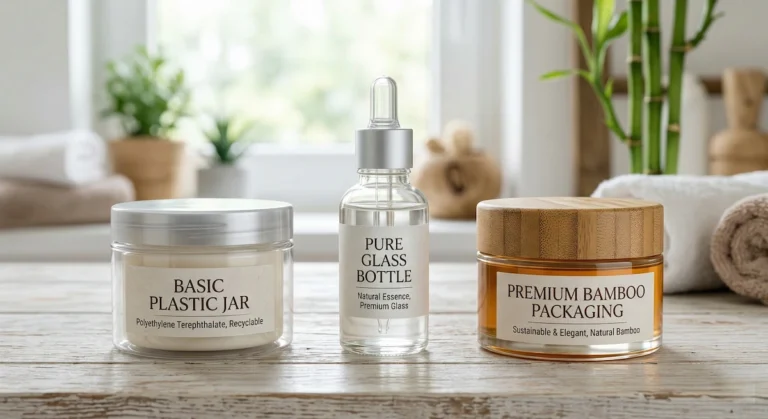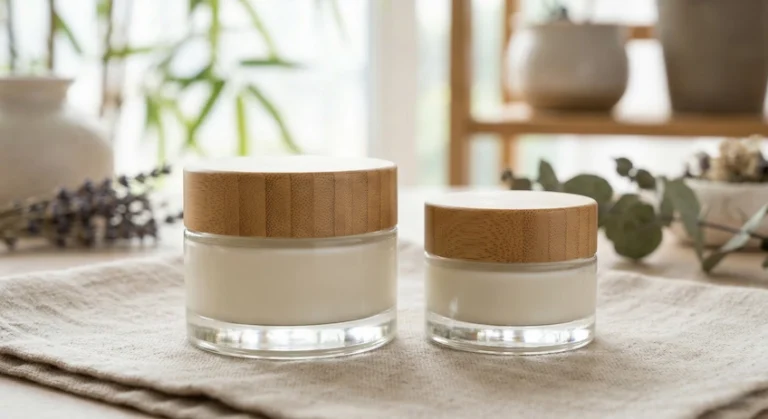

For brands switching from plastic to natural materials, durability is the #1 concern. Will it crack in transit? Will it warp in a humid bathroom? Can it survive a drop? Bamboo Containers are surprisingly resilient, but their longevity depends entirely on Manufacturing Quality and Surface Treatment.
So, is bamboo tough enough for your product line? At ECO-BAMBOO, we engineer our containers to meet commercial durability standards. Here is the technical breakdown of bamboo's performance.
1. Structural Integrity: Stronger Than You Think
Bamboo is technically a grass, but it has a higher tensile strength than steel.
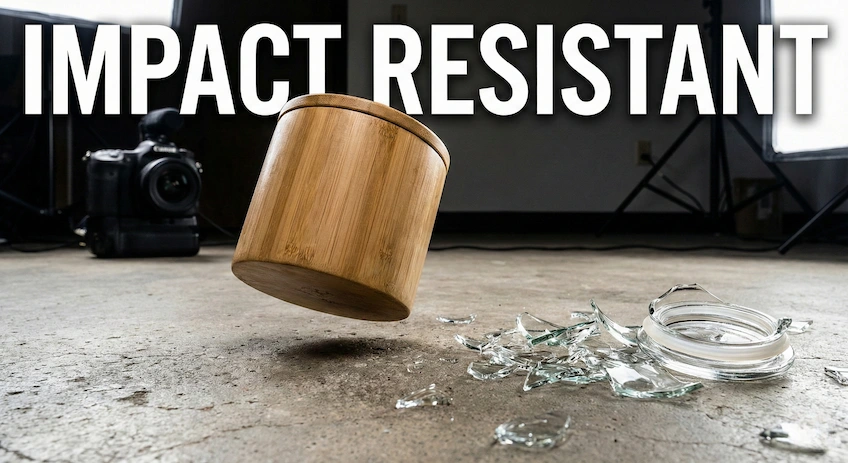
- Impact Resistance: Unlike glass or ceramic, bamboo does not shatter when dropped. It absorbs shock, making it an excellent choice for Travel-Friendly Packaging1.
- Compression Strength: Bamboo containers can withstand significant stacking weight in warehouses, reducing breakage rates during shipping compared to brittle plastics.
2. The Moisture Factor: Varnish is Vital
Raw bamboo absorbs water, which leads to swelling and cracking.
- The Vulnerability: Untreated bamboo will warp if left in a damp environment (like a bathroom).
- The Solution: Food-Grade Varnish. We apply a multi-layer PU or water-based coating that seals the fibers.
- Result: Our Varnished Bamboo Jars2 pass the "Bathroom Test"—resisting humidity and water splashes for years without deforming.
3. Bamboo vs. Plastic: A Durability Comparison
How does it stack up against the industry standard?
| Feature | Bamboo Container (Varnished) | PET Plastic Container | Glass Container |
|---|---|---|---|
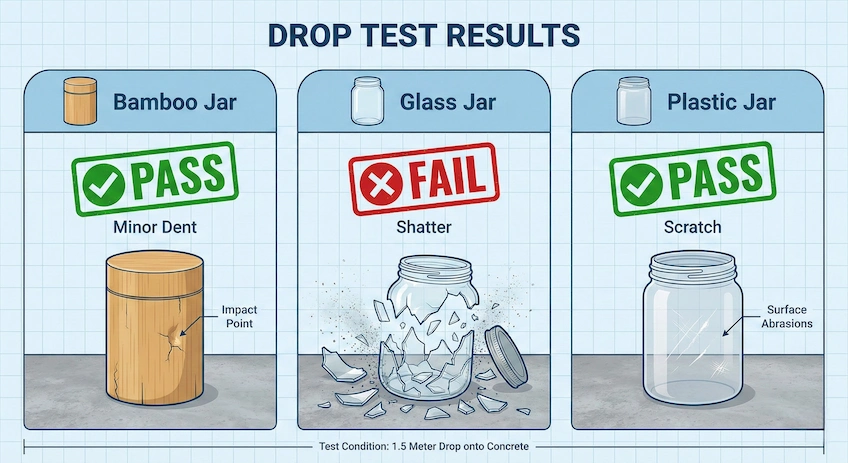
| Drop Test | High (Dents, rarely breaks) | High (Bounces) | Low (Shatters) |
| Water Resistance | Medium-High (If coated) | High (Impermeable) | High (Impermeable) |
| Scratch Resistance | High (Hard surface) | Low (Scratches easily) | High |
| Lifespan | 3-5 Years+ | 500+ Years (Waste) | Indefinite |
4. Maintenance and Longevity (User Education)
To maximize the lifespan of bamboo packaging, brands should educate their customers.
- Hand Wash Only: High heat in dishwashers can strip the varnish.
- Dry Immediately: Don't let it soak.
- Oil Occasionally: Like a cutting board, a little mineral oil keeps the wood supple and shiny.
B2B Insight: Including a small "Care Card" with your product adds value and reduces returns due to misuse.
5. Best Applications for Maximum Durability
- Dry Storage: Bamboo Canisters3 for tea, spices, or cotton pads last indefinitely.
- Cosmetic Jars: Bamboo outer shells with PP or Glass Inners offer the best of both worlds: the durability of plastic/glass for the formula, and the impact protection of bamboo for the exterior.
- Soap Dishes: Must be designed with Drainage Holes to prevent water logging.
Conclusion
How durable are bamboo containers? They are "Commercial-Grade" durable when properly finished.
They offer the impact resistance of plastic without the environmental guilt, and the premium feel of wood without the fragility. For brands, ECO-BAMBOO containers represent a long-lasting investment in sustainable quality.
🔨 Test the Strength
Worried about shipping damage? Request a sample kit and perform your own drop tests. 👉 Get Your Durability Sample Kit