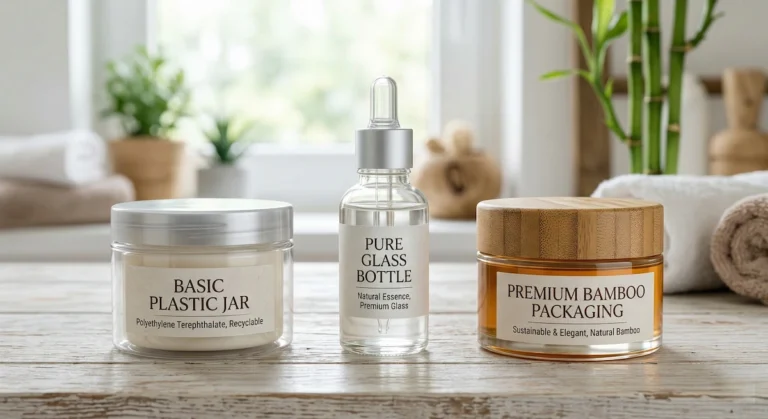

For "Clean Beauty" brands using natural oils (like Shea Butter, Coconut Oil, or Almond Oil), the biggest enemy is Rancidity. Unlike synthetic petroleum-based balms, natural formulations are highly susceptible to oxidation, heat, and UV light.
Choosing the wrong container—like a clear plastic tube—can cut your product's shelf life in half. To ensure your lip balm stays fresh from the first swipe to the last, you need packaging that acts as a Preservation Shield.
At ECO-BAMBOO, we engineer our Bamboo Lip Balm Tubes1 to provide superior barrier protection compared to standard plastics.
1. The "Big Three" Killers of Lip Balm
Packaging must defend against three specific threats to maintain shelf life:
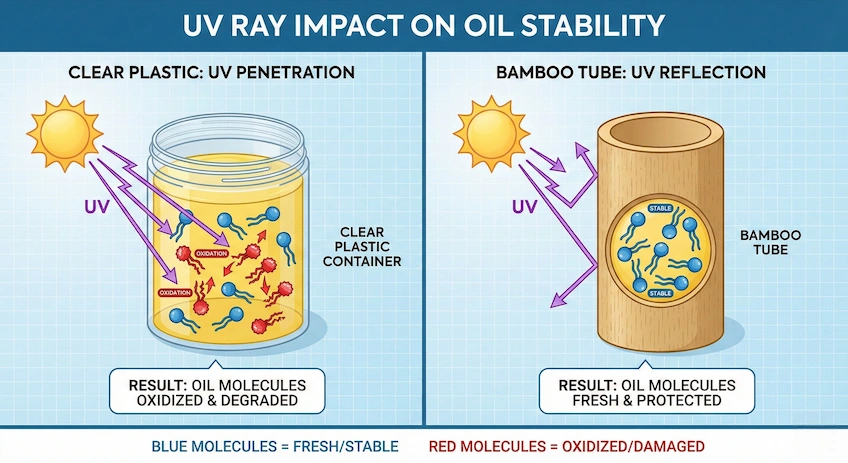
- UV Light (Photo-Oxidation): UV rays break down natural lipids, causing off-odors and discoloration.
- Risk: Clear plastic tubes offer zero protection.
- Solution: Opaque Packaging (like Bamboo or Aluminum) blocks 100% of UV light.
- Oxygen (Rancidity): Exposure to air accelerates oxidation.
- Risk: Poorly fitted caps allow air exchange.
- Solution: Precision-molded Screw-Top Jars2 or snap-fit caps that create an airtight seal.
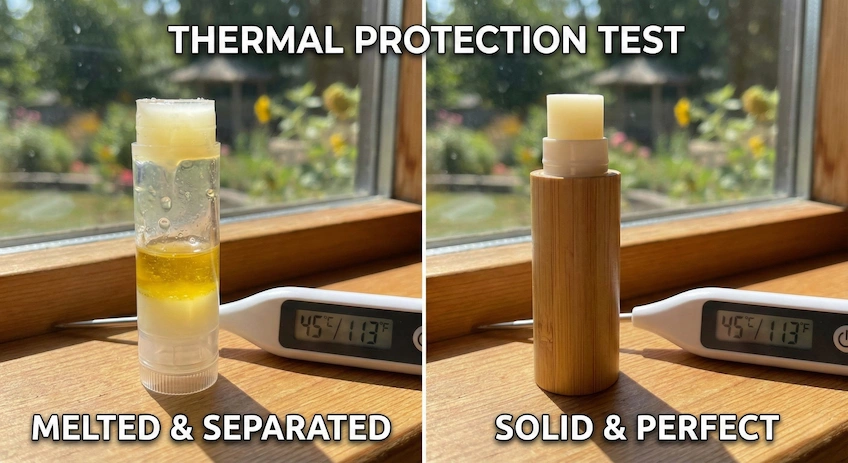
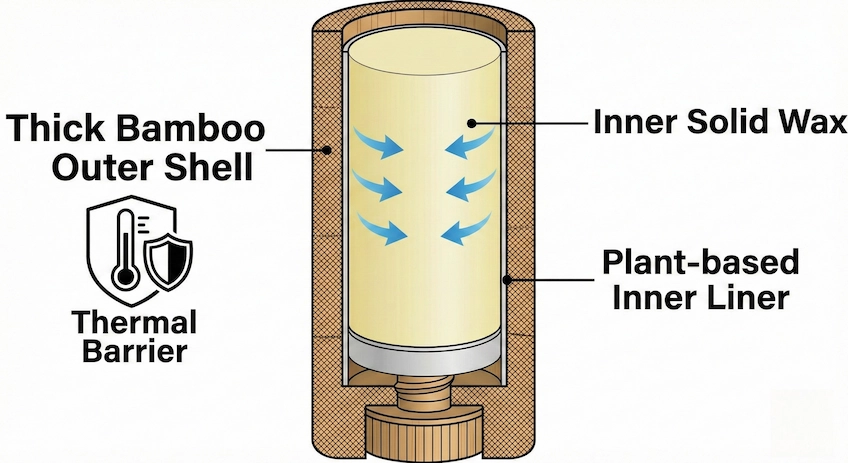
- Heat (Melting): Fluctuating temperatures cause balms to melt and recrystallize (bloom), ruining the texture.
- Risk: Thin plastic conducts heat rapidly.
- Solution: Bamboo Shells act as natural insulators, keeping the product core cooler.
2. Material Comparison: Plastic vs. Aluminum vs. Bamboo
Which material offers the longest shelf life?
| Material | UV Protection | Thermal Insulation | Airtightness | Best For |
|---|---|---|---|---|
| Clear Plastic | Low (Risk) | Low | Medium | Synthetic/Cheap Balms |
| Aluminum Tin | High (Block) | Medium | High (Screw Top) | Salves / Hard Balms |
| Bamboo Hybrid | High (Block) | High (Insulator) | High (Precision) | Organic / Natural Balms |
B2B Insight: Brands using our Bamboo Lip Balm Tubes1 report fewer customer complaints about "grainy" texture, thanks to the wood's thermal stability during shipping.
3. The Role of Airtight Seals
Lip balms don't contain water, so they don't usually grow mold. Their expiration comes from Oxidation. According to a study on Lipid Oxidation in Cosmetics3, minimizing headspace and ensuring a tight closure is critical for preserving antioxidant activity (e.g., Vitamin E).
ECO-BAMBOO Engineering: Our tubes feature a "Click-Lock" Mechanism or a Screw-Thread Cap (for jars) that ensures the container remains airtight even after hundreds of uses.
4. Tube vs. Jar: Which Lasts Longer?
The format also impacts longevity.
- Stick (Tube): Minimal surface area exposed to air. Best for longevity.
- Pot (Jar): Large surface area exposed every time it's opened. Plus, finger dipping introduces bacteria.
If you choose a jar for a lip mask, we recommend a Small Volume Bamboo Jar (5g-10g)4 to ensure the product is used up before oxidation sets in.
Conclusion
Packaging is not just about looks; it's about Performance. For natural lip balms, the container determines the shelf life.
By switching to Opaque, Insulated Bamboo Packaging, you essentially add a physical preservative to your formula—extending freshness and protecting your brand reputation.
💄 Protect Your Balm
Don't let your formula spoil. Request a sample of our thermal-insulating bamboo lip balm tubes. 👉 Get Your Preservation Sample Kit