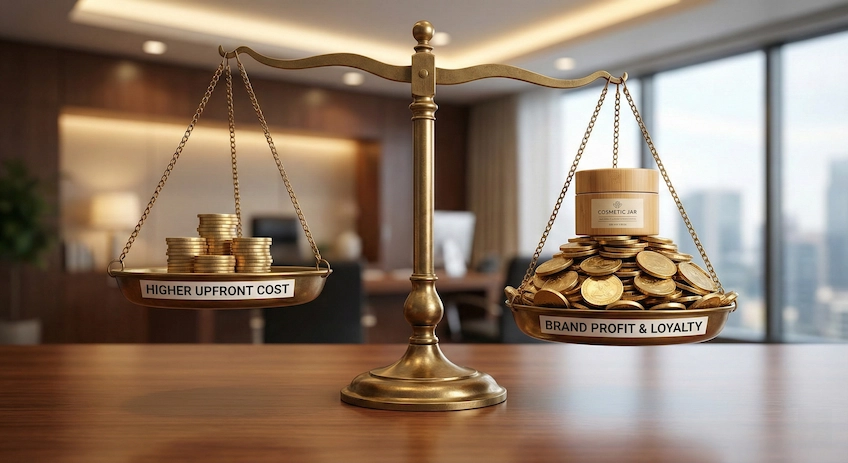
The switch to bamboo cosmetic packaging1 brings upfront costs, leading many brands to question its true price impact and long-term value.
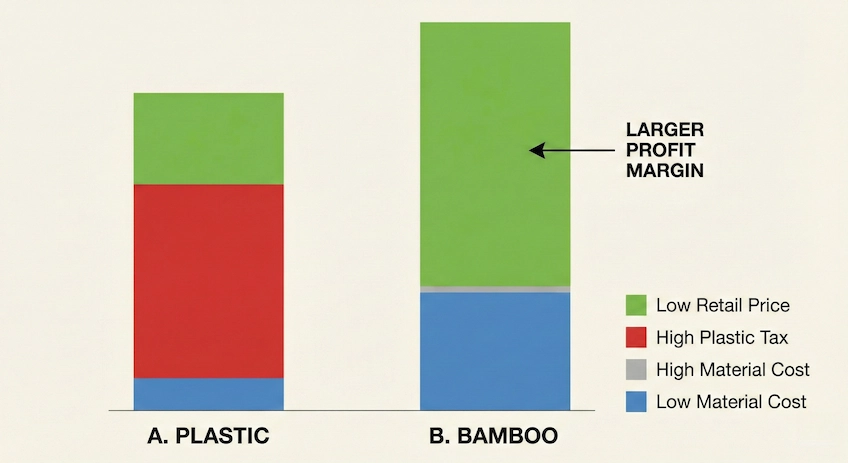
Bamboo cosmetic packaging generally costs 10–30% more than traditional plastic2 due to raw material sourcing, craftsmanship, and compliance, but brands often recoup investment through increased perceived value3 and consumer loyalty4.

My clients often ask, “Is bamboo worth the extra outlay?” From what I’ve seen in B2B deals, bamboo’s higher production costs are real. Yet, the story is more nuanced. Many brands quickly discover that the investment pays off—environmentally responsible packaging5 lets them market to greener audiences, charge higher prices, and future-proof against plastic bans. In one memorable project, an organic skincare seller replaced plastic jars with bamboo alternatives, pricing them 15% higher without hurting sales. Their customers didn’t just accept the increase—they called out the brand’s eco values6 as a reason to buy.
Is bamboo packaging more expensive than plastic?
Bamboo packaging is often seen as a premium eco-friendly option. But does it actually cost more upfront than plastic?
Yes, bamboo cosmetic packaging1 is more expensive than plastic. Production costs are about 10–30% higher per unit, reflecting raw material expenses and elaborate processing compared to mass-market plastics.

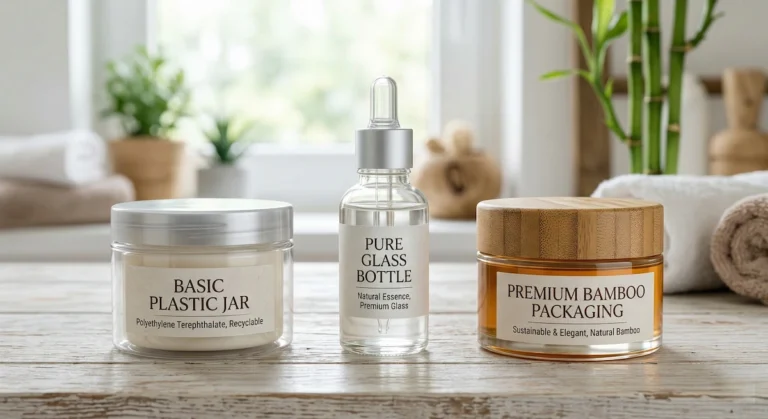
In my experience, the cost gap between bamboo and plastic comes from several sources. Bamboo needs to be harvested, shaped, and finished more carefully. Certifications like SGS or ROSH cost more and take more time than the basic requirements for plastics. Here’s a simple cost breakdown I’ve seen in typical projects:
| Packaging Material | Average Unit Cost (USD) | Notes |
|---|---|---|
| Plastic (PET/PP) | $0.12–$0.25 | Fast, high-volume, little finish |
| Bamboo | $0.17–$0.35 | Lower-volume, detailed processes |
| Glass | $0.20–$0.40 | Heavy, breakable, high energy use |
A European client once told me, “We pay more now, but we aren’t worried about future restrictions or consumer backlash.” Bamboo’s cost remains a hurdle for bargain-based brands, but for those who value risk management7 and exclusivity, it’s increasingly worth the price.
What are the cost implications of switching to bamboo cosmetic packaging1?
Switching isn’t just about raw materials. What new costs—hidden and obvious—should brands anticipate in the transition?
Brands switching to bamboo should expect higher raw material costs, more labor-intensive production, stricter quality controls, and greater upfront investments. However, many offset these expenditures via premium pricing8 and differentiation9.

When advising clients on a packaging shift, I always break down the real cost drivers. Bamboo needs detailed shaping and finishing, adding labor hours. High-quality bamboo must be certified, and eco labels come with yearly fees. Design flexibility is a bonus, but custom shapes and branding mean more setup costs. Here’s a practical overview:
| Cost Driver | Bamboo Packaging Impact | Notes |
|---|---|---|
| Raw materials | Higher (renewable, certified) | Often from specific regions |
| Labor/production | Higher (craft and finishing) | Laser engraving, hand inlays |
| Testing/compliance | Higher (SGS, ROSH, audits) | Eco certifications required |
| Shipping/handling | Moderate (light, sturdy) | Lower weight than glass/plastic |
One client’s launch was delayed by certification audits, but the payoff came in stores—customers saw detailed documentation and trusted the brand more because they could prove their environmental claims.
How does bamboo cosmetic packaging1 affect the final product price?
Choosing bamboo impacts the sticker price for consumers. Is the premium absorbed, passed on—or even turned into an advantage?
Bamboo packaging typically increases retail prices by 10–20%, but brands often gain a competitive edge as eco-conscious buyers prefer and pay more for sustainable, unique packaging.

From what I’ve seen, most brands pass some or all of the extra cost on, positioning bamboo as a premium feature. Customers shopping for green cosmetics are willing to pay for responsible choices. For example, a skincare brand I worked with switched to bamboo, raised prices modestly and saw unit sales rise—customers recognized and valued the sustainability shift.
Here’s how bamboo impacts retail strategy:
| Factor | Effect on Final Price | Brand/Consumer Response |
|---|---|---|
| Premium material | Retail prices rise 10–20% | Eco-forward buyers pay more, feel loyalty |
| Differentiation | Uniqueness and story | Strengthens brand story, justifies price |
| Regulatory risk | Lower future cost exposure | Safer against bans, less redesign needed |
This effect is significant, especially in markets where “green” is no longer a niche, but an expectation among conscious consumers.
Are the long-term cost benefits of bamboo packaging greater than traditional options?
Initial costs matter, but what about expenses and payoffs over time—does bamboo deliver more value than plastic in the long run?
Long-term benefits of bamboo packaging include lower risk from plastic bans, higher brand equity10, and stronger customer loyalty, often outweighing upfront costs as sustainable practices11 set future value.

My personal experience echoes this: brands investing in bamboo today lower their risk from changing laws banning plastics, avoid costly redesigns, and shine most when sustainability becomes sales-critical. Bamboo packaging also increases perceived value3—buyers view it as exclusive, authentic, and worth repeating purchases. Here’s a rundown of long-term impacts:
| Long-Term Impact | Bamboo Packaging | Traditional Plastic |
|---|---|---|
| Regulatory risk | Minimal, future-proofed | High, costly redesign |
| Brand loyalty | Strong, enduring | Moderate, less distinct |
| Environmental cost | Lower (renewable, compostable) | High, persistent waste |
| Market positioning | Premium, differentiated | Commodity, undifferentiated |
A client in organic cosmetics asked me to chart their spending: after two years, their bamboo-packaged products drew repeat buyers, outpaced plastic lines, and dodged new fees as plastic bans rolled out. This proved bamboo’s edge—pricing is only part of the picture, but long-term payoff is clear for those who build a lasting brand.
Conclusion
Bamboo cosmetic packaging may cost more upfront, but its branding, regulatory, and loyalty benefits offer lasting value that increasingly outweighs traditional options for forward-thinking cosmetic brands.
Explore the advantages of bamboo packaging, including sustainability and consumer appeal, to understand its value. ↩
Learn about the differences between bamboo and traditional plastic to make informed packaging choices. ↩
Discover how perceived value influences consumer behavior and brand loyalty in the cosmetic industry. ↩
Understand the connection between eco-friendly packaging and consumer loyalty to enhance your brand strategy. ↩
Find out what makes packaging environmentally responsible and how it can benefit your brand. ↩
Discover the importance of eco values in branding and how they resonate with consumers. ↩
Learn how effective risk management can guide your packaging decisions and protect your brand. ↩
Explore the concept of premium pricing and how it can be applied to eco-friendly products. ↩
Learn about differentiation strategies and how they can enhance your product's appeal. ↩
Explore the relationship between packaging choices and brand equity to strengthen your market position. ↩
Explore sustainable practices in packaging to enhance your brand's environmental impact. ↩