
For cosmetic brands, the nightmare scenario isn't a failed marketing campaign—it's a product recall. The leading cause? Incompatibility between the formula and the packaging.
Many brands switching to eco-friendly packaging1 overlook a critical fact: natural materials, if not properly engineered, can react unpredictably with active ingredients.
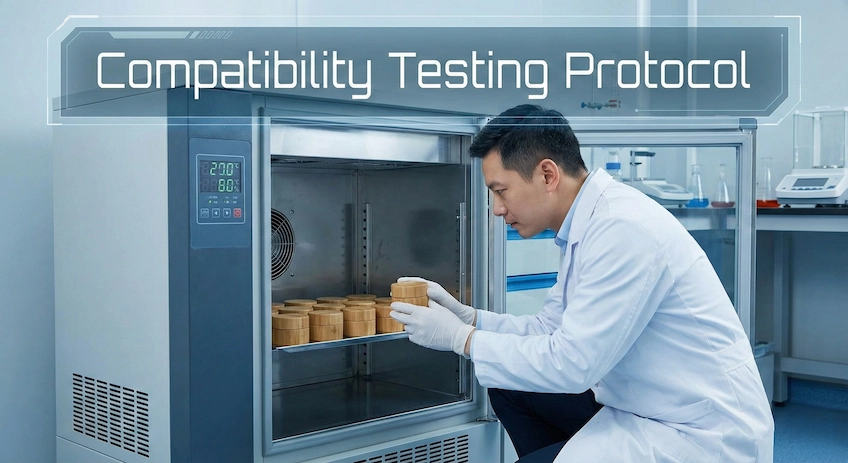
How do you ensure your new night cream won't discolor, leak, or degrade the jar within 3 months? The answer lies in a rigorous Compatibility Testing Protocol. As a specialized manufacturer, ECO-BAMBOO recommends adhering to the following standards before mass production.
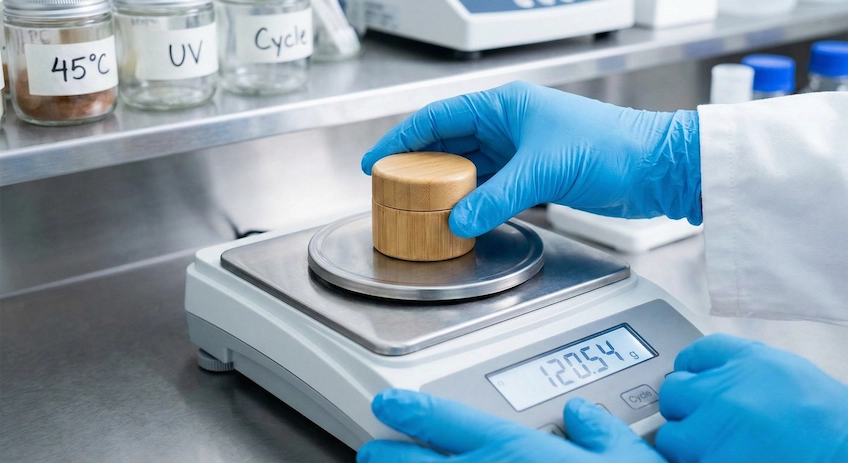
1. What is Compatibility Testing? (And Why It's Critical)
Compatibility testing goes beyond checking for leaks. It verifies that there are no adverse physical or chemical interactions between your bulk formula and the specific jar material.
- Physical Interactions: Permeation, sorption (flavor scalping), and stress cracking.
- Chemical Interactions: Oxidation, pH shifts, precipitation, or leaching of packaging components into the product.
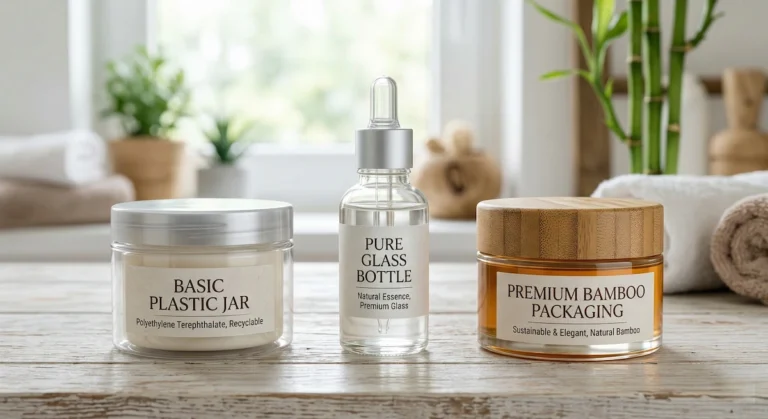
Factory Insight: We have seen high-concentration essential oils "dissolve" low-quality plastic liners. This is why we advocate for inert Bamboo Glass Jars1 or Aluminum Inner Jars2 for maximum safety.
2. The Standard Protocol (SOP): A 4-Step Validation
To simulate the product's behavior over its shelf life (typically 3 years), brands must conduct "Accelerated Aging Tests."
Step 1: Sample Preparation
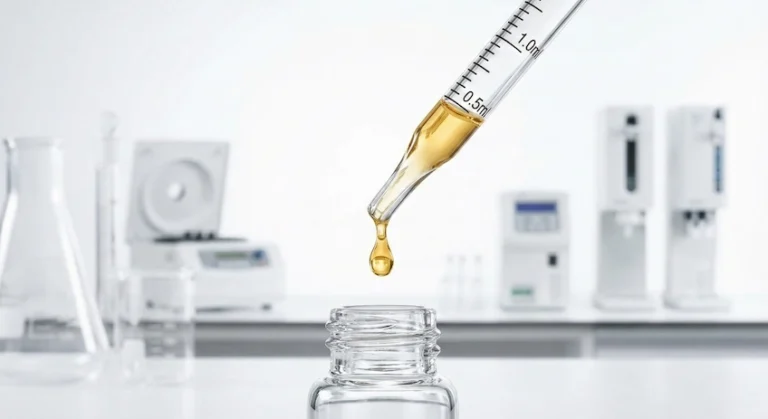
Prepare at least 12 test jars3 filled with the final formulation. Always include a glass control sample.
Step 2: Test Conditions
Place samples in controlled environments:
- High Temp (45°C): Simulates hot climates and shipping containers.
- Low Temp (4°C): Checks for crystallization or separation.
- Thermal Shock (-10°C to 40°C): Cycles every 24 hours to test seal integrity under expansion/contraction.
- UV Light: Tests for discoloration in non-opaque packaging.
Step 3: Key Metrics Monitor Table
| Metric (KPI) | Potential Risk | Solution |
|---|---|---|
| Weight Loss | Solvent evaporation, product drying | Check gasket/liner fitment tightness |
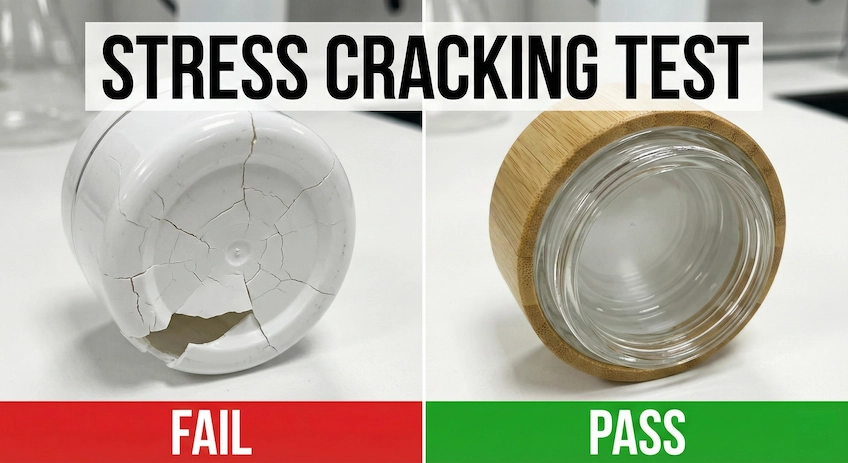
| Stress Cracking | Plastic liner failure due to oils | Upgrade to Glass Inner Jars1 |
| pH Shift | Packaging material leaching alkalinity | Use USP-grade glass or treated aluminum |
| Appearance | Yellowing, separation, cloudiness | Increase UV coating or opacity |
3. Stability vs. Compatibility: What's the Difference?
Many buyers confuse these terms. According to the FDA Shelf Life Guidelines4:
- Stability: Does the formula remain effective on its own?
- Compatibility: Does the formula "get along" with the final sales packaging?
ECO-BAMBOO Recommendation: Never rely solely on formula stability. You must test with the final bamboo component, as adhesives, varnishes, and liners in the finished pack can influence the result.
4. The "Natural Material" Factor
When using bamboo, wood, or PCR, testing is even more vital.
- Hygroscopicity: Bamboo breathes. Without a proper moisture barrier, bathroom steam can cause mold. ECO-BAMBOO uses a dual UV-cured coating that passes 7-day high-humidity tests.
- Vacuum Failure: For Airless Systems5, viscosity matters. If the formula is too thick, the piston may stall.
Conclusion
Compatibility testing is the final checkpoint before market launch. Do not let packaging be the weak link in your brand promise.
Choose ECO-BAMBOO, and you get more than a jar—you get a validated packaging system. Our Glass and Aluminum inner solutions offer the highest chemical resistance in the sustainable market.
🛡️ Start Your Safety Test
Unsure if your formula fits our jars? Request a Free Compatibility Sample Kit today. 👉 Get Testing Samples