
In the era of "Zero-Waste Beauty," the life of a container shouldn't end when the product does. Consumers are actively looking for ways to Repurpose and Refill.
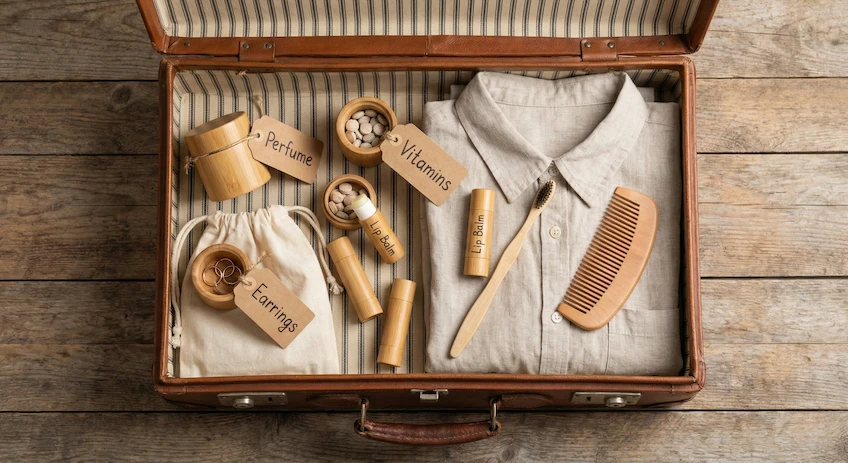
For cosmetic brands, this presents a unique opportunity: Designing packaging that is intended for a second life. Yes, empty lip balm containers (both tubes and jars) are perfect for storing solid perfumes, travel-sized skincare, and DIY blends.
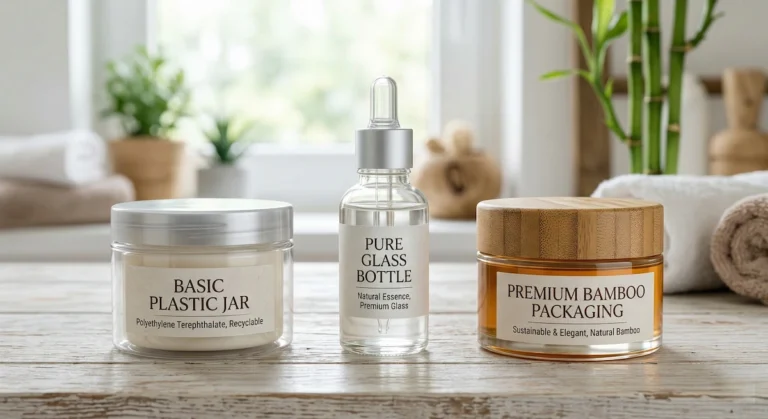
At ECO-BAMBOO, we design our Bamboo Packaging1 to be durable enough for endless reuse cycles.

1. Repurposing Empty Lip Balm Tubes (The Stick Format)
The "twist-up" mechanism of a lip balm tube is brilliant for any solid, oil-based formula. Instead of tossing them, educate your customers to clean and refill them with:
- Solid Perfume: A wax-based fragrance stick for pulse points.
- Cuticle Oil Stick: Mess-free application for nails.
- Spot Concealer: Custom-mixed foundation for touch-ups.
- Anti-Chafe Balm: A mini travel stick for runners.
B2B Idea: Launch a "DIY Refill Kit" that includes a block of base wax and your signature scent, encouraging customers to refill their Bamboo Lip Balm Tube2 at home.
2. Repurposing Small Jars (The Pot Format)
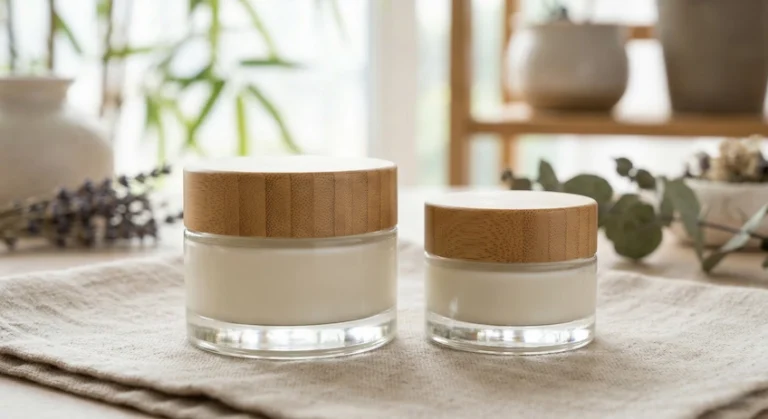
Small 5g-15g jars are the unsung heroes of travel packing. Our Glass Inner Bamboo Jars3 are chemically inert, making them safe for almost anything:
- Eye Cream Decanter: Transfer expensive creams for weekend trips.
- Jewelry Storage: Perfect size for stud earrings or rings.
- Supplement Case: Holds 2-3 daily vitamins securely.
- Sample Pot: Share a favorite product with a friend (User-Generated Marketing!).

3. How to Clean & Sterilize for Reuse
Safety first. Before reusing any container, it must be sanitized to prevent bacterial growth. The Protocol:
- Wipe: Remove visible residue with a paper towel.
- Wash: Use hot soapy water. For tubes, twist fully up to clean the mechanism.
- Sterilize: Swab with 70% alcohol (safe for bamboo) or boil (glass parts only).
- Dry: Air dry completely. Any moisture = mold risk.
4. Designing for Reuse: The "Refillable" Advantage
If reuse is the goal, why not design for it from the start? Refillable Lipstick Tubes4 allow the customer to keep the luxury outer shell and just snap in a new formula cartridge.
- Brand Benefit: Increases customer retention (they have to buy your refill).
- Planet Benefit: Reduces plastic waste by 70% per repurchase.
Conclusion
Can you use empty lip balm containers for other things? Absolutely. By choosing high-quality, durable packaging like ECO-BAMBOO, you aren't just selling a disposable item; you're selling a reusable lifestyle tool.
Encourage creativity. Promote sustainability. Design for the future.
♻️ Start Your Refill Journey
Looking for durable packaging designed for reuse? Request samples of our refillable bamboo cosmetic line. 👉 Get Your Sustainable Sample Kit