
Choosing the right cosmetic jar size is not just about capacity; it is a strategic decision that affects your Product Pricing, Shelf Life, and Customer Repurchase Rate.
A jar that is too large for a natural formula may lead to oxidation and spoilage before the product is finished. A jar that is too small for a body butter will frustrate customers.
How do you find the "Golden Ratio"? As a sustainable packaging manufacturer, ECO-BAMBOO helps brands match their formula to the perfect vessel. Whether you need a 5g sample pot or a 200g body scrub jar, this guide will help you make the right choice.
1. The "Volume vs. Viscosity" Rule
The first step is to analyze your formula's physical properties.
- Low Viscosity (Lotions/Serums): Avoid jars. Use Airless Bottles1 to prevent spills and mess.
- High Viscosity (Creams/Balms/Scrubs): Jars are ideal. They allow users to scoop out thick products completely.
Pro Tip: For high-value, active-rich formulas (e.g., Retinol creams), choose a smaller jar (15ml-30ml) to ensure the product is used up quickly, minimizing oxidation risks.
2. Standard Sizes & Best Applications
In the cosmetic industry, certain sizes have become standard for specific product categories. Sticking to these norms helps with consumer recognition and shelf display.
| Jar Size | Ideal Product Application | Consumer Expectation |
|---|---|---|
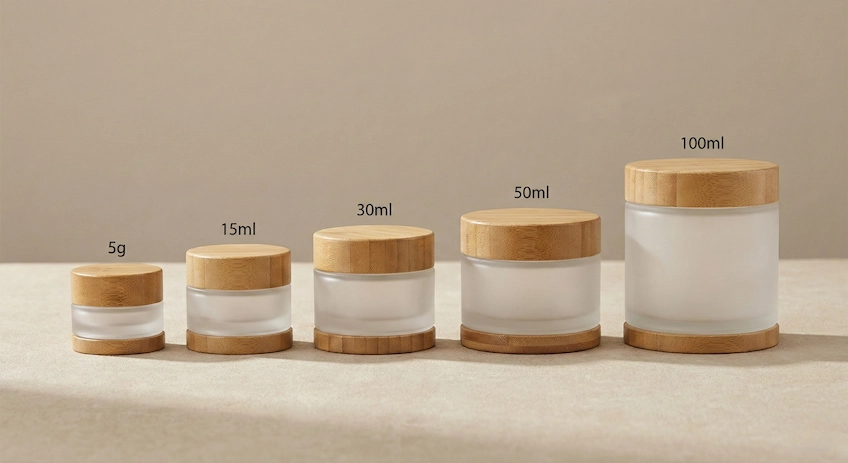
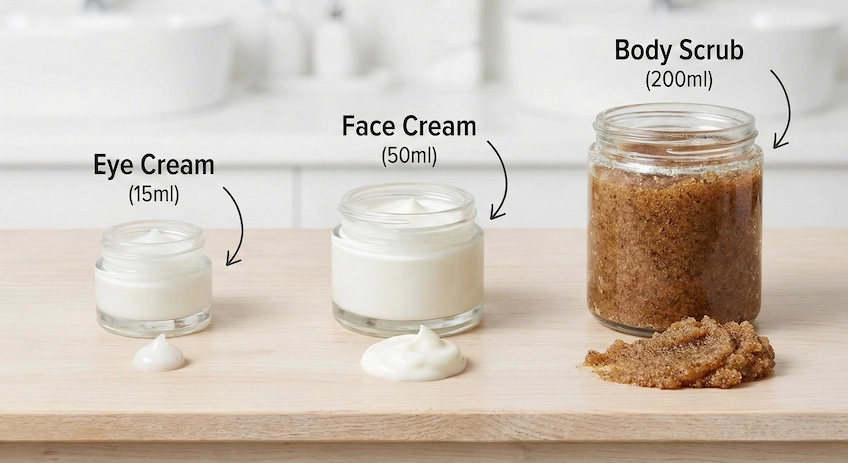
| 5ml - 10ml | Lip Balm, Eye Cream, Samples | "Concentrated / Trial" |
| 15ml - 30ml | Premium Face Cream, Eye Gel | "High-Value Skincare" |
| 50ml | Day/Night Moisturizer | "Standard Daily Use" |
| 100ml - 200ml | Body Butter, Hair Mask, Scrub | "Generous / Body Care" |
Explore our full range of Wholesale Bamboo Glass Jars2 available in all these standard sizes.
3. Material Matters: PP vs. Bamboo-Glass Hybrid
Once you have the size, choose the material based on your brand positioning.
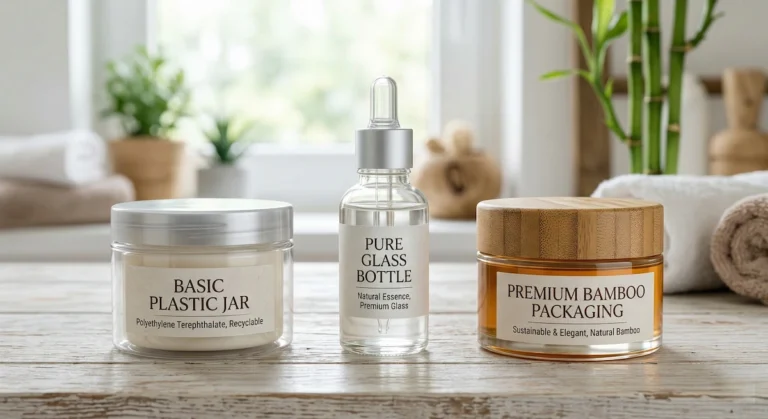
- Polypropylene (PP): Lightweight and durable. Best for travel sizes or budget-friendly lines.
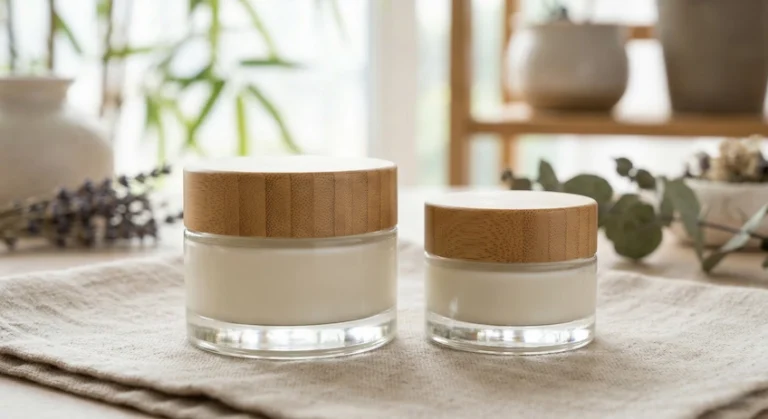
- Bamboo-Glass Hybrid: The Eco-Luxury Choice3. The glass inner protects the formula, while the bamboo outer adds a premium, sustainable touch that justifies a higher price point.
According to Global Cosmetic Industry4, consumers perceive weightier packaging (like glass and wood) as being of higher quality and efficacy.
4. Special Considerations: Squeezable vs. Rigid
Does your product require a rigid jar or a squeezable tube?
- Rigid Jars: Best for "Scoopable" textures. They offer a luxury unboxing experience but require a spatula for hygiene.
- Squeezable/Airless: Best for hygiene-sensitive formulas.
For brands that want the look of a jar but the hygiene of a pump, our Airless Cream Jars5 are the perfect hybrid solution.
5. Sustainability: The "Refill" Factor
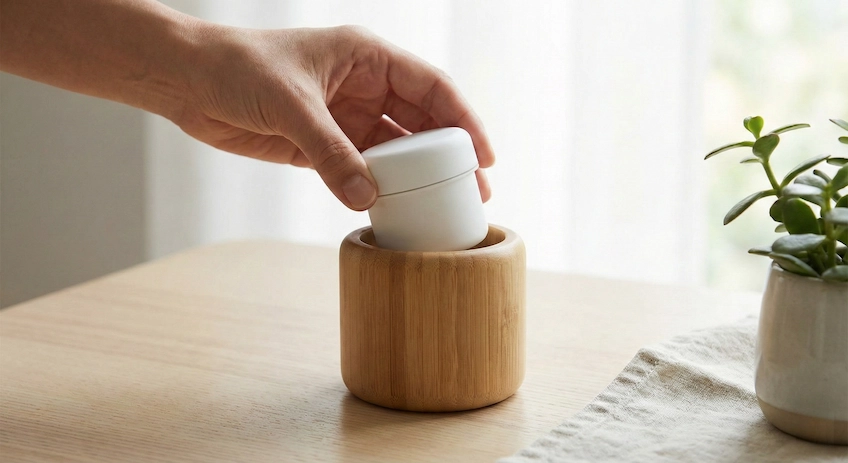
If you choose a larger size (e.g., 50ml+), consider a Refillable System. Instead of forcing the customer to buy a heavy glass jar every time, offer a Replaceable Inner Pod6. This reduces shipping weight and encourages repeat purchases.
Conclusion
Choosing the right cosmetic jar size is a balance of Product Texture, Usage Frequency, and Brand Story. Don't just pick a size off the shelf. Engineer your packaging to enhance the user experience.
At ECO-BAMBOO, we offer sizes from 5g to 250g in sustainable materials to fit every SKU in your lineup.
📏 Find Your Perfect Fit
Not sure which size feels right? Request a Mixed Size Sample Kit to test with your formula. 👉 Get Your Sample Kit