
In the cosmetic industry, "Sustainable Packaging" is no longer a trend—it's a requirement. Brands are under pressure from consumers and regulations (like the EU Green Deal) to ditch virgin plastic.
But with so many options—Bioplastic, PCR, Bamboo, Glass—which one is truly sustainable and commercially viable?
Yes, there are scalable, eco-friendly options. At ECO-BAMBOO, we specialize in Bamboo-Glass Hybrids1 and Refillable Systems, which reduce plastic use by up to 85% compared to traditional jars.
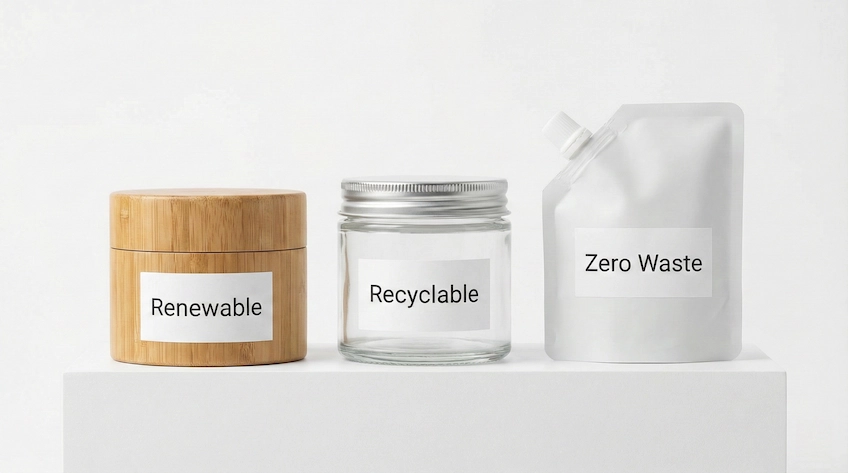
1. The "Big Three" Sustainable Materials
For a procurement manager, the choice comes down to three main contenders. Here is how they stack up.
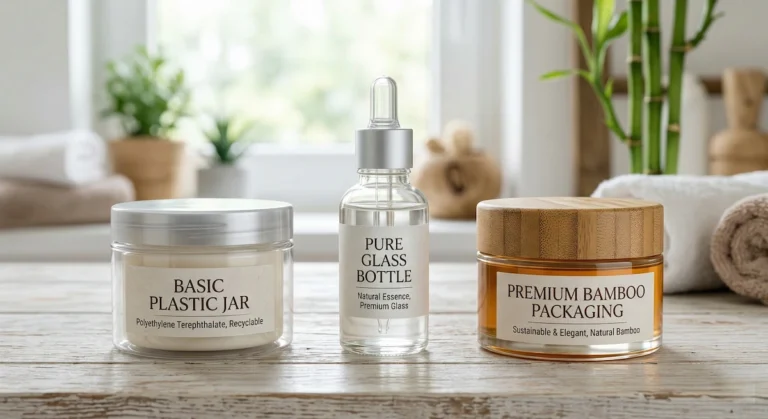
Option A: Bamboo (The Renewable Choice)
Bamboo is the fastest-growing plant on earth, absorbing 5x more carbon than trees.
- Pros: Biodegradable shell, luxury tactile feel, high consumer appeal.
- Best For: Premium organic skincare brands.
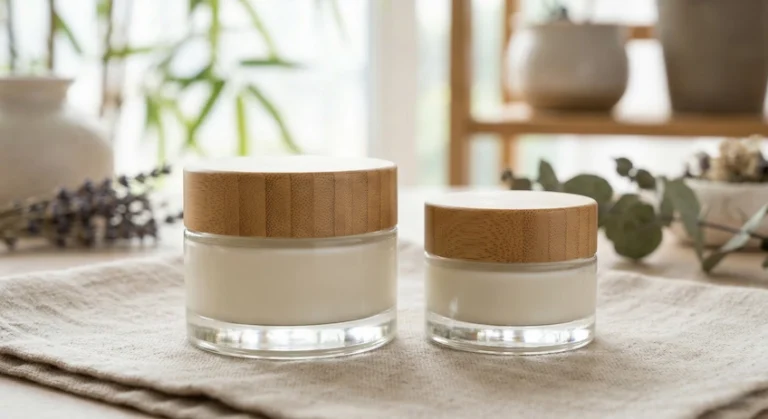
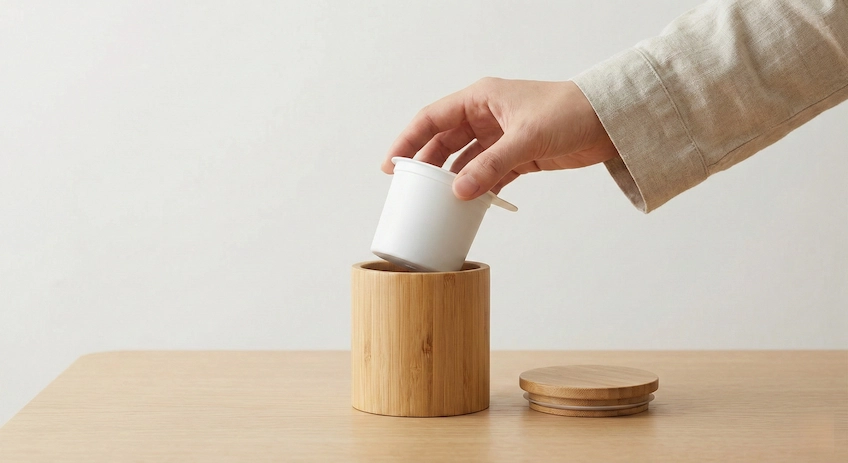
- Our Solution: FSC-Certified Bamboo Jars2 with removable inner liners.
Option B: Glass & PCR Glass (The Infinite Loop)
Glass is endlessly recyclable without losing purity.
- Pros: Chemically inert (safe for all formulas), premium weight.
- Cons: Heavy shipping weight (higher carbon footprint in transit).
- Our Solution: Frosted Glass Jars3 paired with lightweight bamboo lids to balance weight and eco-friendliness.
Option C: Refillable Systems (The Zero-Waste Hero)
The most sustainable jar is the one you don't throw away.
- How It Works: The consumer keeps the heavy outer jar and buys a lightweight refill pod.
- Impact: Reduces shipping weight by 70% and builds extreme brand loyalty.
2. Material Comparison Table: Cost vs. Impact
Making the switch requires balancing budget and ethics.
| Material | Sustainability Score | Cost Profile | Best Application |
|---|---|---|---|
| Virgin Plastic (PET) | Low (Fossil Fuel) | $ (Low) | Mass Market (Avoid) |
| Bamboo Hybrid | High (Renewable) | $$ (Medium) | Eco-Luxury Skincare |
| PCR Plastic (Recycled) | Medium (Circular) | $$ (Medium) | Wash-off Products |
| Refillable System | Very High (Zero Waste) | $$$ (High Upfront) | Loyalty Programs |
3. The Hidden Trap: "Bioplastics" vs. Real Nature
Many suppliers push "Wheat Straw" or "PLA" plastics. Warning: Most of these require industrial composting facilities that don't exist in many cities. If thrown in nature, they act just like plastic.
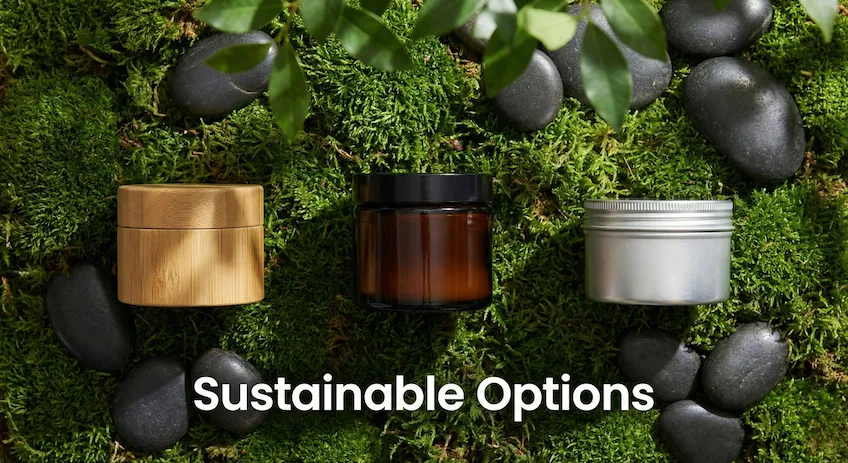
At ECO-BAMBOO, we advocate for Real Materials—Wood, Bamboo, Glass, and Metal—that have established recycling streams.
4. Certification Matters: Avoid Greenwashing
To protect your brand from lawsuits, ensure your packaging is certified.
- FSC (Forest Stewardship Council): Proves your bamboo/wood comes from responsibly managed forests.
- SGS Tested: Ensures no heavy metals or toxins in the varnish or liner.
Conclusion
Are there sustainable options for cosmetic jars? Absolutely. The best option for your brand depends on your formula and your customer's recycling habits.
For most premium brands, the Bamboo-Glass Hybrid offers the perfect balance: it protects the product, delights the user, and respects the planet.
🌿 Switch to Sustainable
Ready to reduce your plastic footprint? Request a sample kit of our FSC-certified bamboo jars. 👉 Get Your Eco-Sample Kit