Tips & Guides 5 min read

Are there chemical safety concerns with bamboo packaging for cosmetics?

Fendi

Updated:

Worries about chemicals in cosmetic packaging make some brands hesitant about new materials. Bamboo, though, has a solid safety story—when it’s sourced and certified correctly.

Bamboo packaging1 is generally safe for cosmetics if produced and certified to international standards like SGS and ROSH2, ensuring no harmful chemicals leach into skincare products.

bamboo packaging safety cosmetics

Every beauty brand I’ve worked with puts product safety3 first, especially with packaging. The industry focus on clean, green ingredients4 means packaging must complement—not undermine—this message. Bamboo bottles, jars, and lids are attractive and sustainable, but their safety for cosmetic use depends on more than just the bamboo. When I founded ECO-BAMBOO, I saw how strict certifications and supply chain transparency5 give peace of mind. I have witnessed that due diligence, independent testing6, and trustworthy partners are the strongest shield against risks.

Are bamboo cosmetic bottles safe for skincare products?

Bamboo cosmetic bottles are safe when manufactured and finished according to global safety standards; certified products do not leach harmful chemicals into skincare formulas.

bamboo cosmetic bottle safety

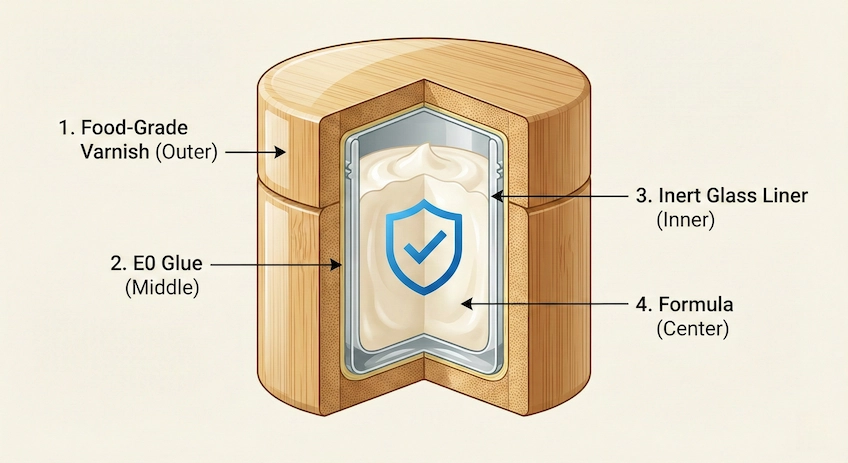
During project after project, I’ve seen leading beauty brands demand proof: test reports, batch certifications7, and clear documentation from packaging suppliers. True safety depends not just on raw bamboo, but also on what’s added—like adhesives holding parts together8 or coatings for moisture resistance9. My own experience with certified partners like ECO-BAMBOO shows that top-ranked suppliers back each shipment with international certifications such as SGS and ROSH2. These standards check for hazardous substances and ensure every bottle or cap that touches a luxury serum is as safe as it is eco-friendly.

Safety Features Table

Feature What Makes It Safe? What Needs Scrutiny?
Bamboo Material Naturally inert, doesn’t leach Source, harvesting method
Inner Liners/Coatings Certified food/cosmetic safe Ingredient transparency
Adhesives/Glues Low-VOC, non-toxic options Full disclosure, test reports
Certification (e.g. SGS/ROSH) Verifies no harmful substances Up-to-date certification

What are the benefits and drawbacks of utilizing bamboo in cosmetics?

Bamboo offers sustainability10, a distinct tactile feel, and chemical inertness11, but may involve challenges with sourcing, consistency, or composite materials used in advanced designs.

bamboo cosmetic pros and cons

Bamboo gives brands a strong environmental edge. It grows fast, uses little water, and breaks down naturally after use. These qualities are why I chose to build ECO-BAMBOO around this material. On the shelf, bamboo feels premium, connecting clients to both nature and modern design. Because of its inertness, pure bamboo doesn’t react with cosmetics, so serums and creams stay stable and safe. But real-world packaging sometimes blends bamboo with plastics or other substrates for durability or finish. In these cases, the adhesives and coatings matter more—they can introduce new risks if not carefully vetted. I always urge clients to demand proof of standards.

Bamboo for Cosmetics: Advantages and Challenges

Benefit Drawback
Rapid renewable resource Sourcing consistency needed
Reduces plastic use Potential composite/adhesive issues
Distinct tactile experience Durability vs. pure plastic
Naturally inert/non-reactive Needs rigorous certification

Is bamboo packaging better for cosmetics?

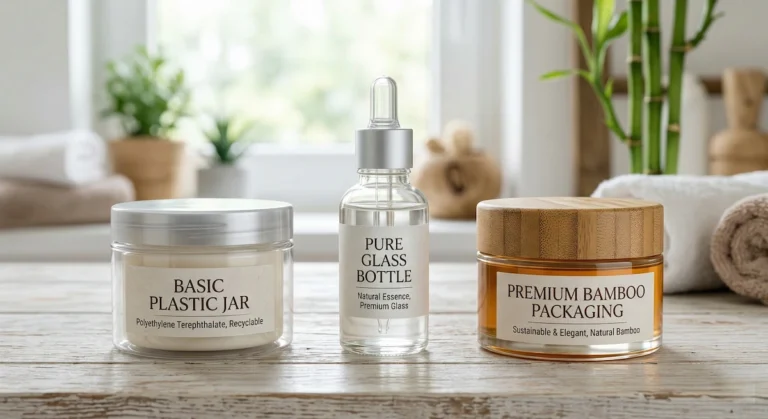
Bamboo packaging1 is better for cosmetics when you value sustainability10, a unique customer experience, and strict adherence to health and safety standards.

bamboo vs other materials cosmetics

In my years of helping brands transition from traditional to sustainable packaging, bamboo has become a compelling upgrade—if done right. From storytelling to shelf appeal, bamboo signals eco-progress12 and modern values. It satisfies growing buyer expectations for both form and function. Still, “better” depends on context; bamboo’s green appeal must be matched by performance and certified safety. If a brand partners with a certified supplier, leverages clear eco-labels, and communicates a true sustainability10 story, bamboo stands out as a winner. But if corners are cut on coatings or supply chain transparency5, even the best intentions can misfire.

Key Comparison Table

Criteria Bamboo Packaging Conventional Packaging
Eco-Friendliness Highly renewable Often fossil-fuel based
Touch/Look Natural, unique Synthetic, generic
Chemical Safety Non-reactive if certified Can vary, more additives
Customization Requires skilled work Widely available options

Can harmful chemicals leach from bamboo packaging?

When bamboo packaging is certified and made without unsafe adhesives or coatings, it does not leach harmful chemicals into products.

bamboo leaching chemicals

Natural, untreated bamboo itself is naturally inert—it doesn’t react with or release chemical substances into cosmetic formulas. But this is just half the picture. In some cases, coatings or glues are used to boost moisture resistance9, gloss, or strength. If these secondary materials aren’t certified food- or cosmetic-safe, they could potentially release harmful compounds. In my work with brands entering new markets, I always stress supplier vetting as the first step. Only packaging that’s routinely batch-tested (SGS, ROSH, or similar) and traceable end-to-end can guarantee zero leaching. Done right, bamboo packaging brings peace of mind—and a boost to brand reputation.

Chemical Safety Checklist

Step Why It’s Important
Choose certified supplier Confirms safety and ethics
Ask for third-party reports Ensures no hidden contaminants
Review all packaging layers Transparency on adhesives/coatings
Test finished goods Real-world verification

Conclusion

Bamboo packaging1 is a smart, safe choice for cosmetics—when every layer, certification, and supplier is rigorously checked for chemical safety and transparency.


  1. Explore how bamboo packaging enhances sustainability and safety in cosmetics, making it a preferred choice for eco-conscious brands.

  2. Learn about the importance of SGS and ROSH certifications in ensuring the safety and quality of cosmetic packaging materials.

  3. Understand the significance of product safety in cosmetics and how it impacts consumer trust and brand reputation.

  4. Discover the trend of clean and green ingredients in cosmetics and how they align with consumer preferences for safety.

  5. Find out why supply chain transparency is vital for ensuring the safety and ethical sourcing of cosmetic packaging materials.

  6. Explore how independent testing helps verify the safety of cosmetic packaging and protects consumer health.

  7. Find out how batch certifications ensure the safety and quality of cosmetic packaging materials.

  8. Learn about safe adhesive options for cosmetic packaging and their impact on product integrity.

  9. Understand the role of coatings in enhancing moisture resistance and their implications for cosmetic safety.

  10. Explore the sustainability benefits of using bamboo in cosmetics and its positive impact on the environment.

  11. Discover why chemical inertness is crucial for maintaining the stability and safety of cosmetic formulations.

  12. Learn how bamboo packaging represents eco-progress and aligns with modern consumer values in the beauty industry.

Ready to switch to Bamboo?

Get a competitive quote for your cosmetic packaging needs today.

Request Quote

About Fendi

Sustainable packaging expert at ECO-BAMBOO. Dedicated to providing eco-friendly solutions for the cosmetic industry.

View All Insights