
For essential oil brands, the roller ball is the critical "point of contact" between the product and the customer. A stuck ball frustrates users; a loose ball causes leaks that destroy handbags—and your brand's reputation.
The most common question from product developers is: "Should we use stainless steel or glass roller balls?"
While glass offers a traditional appeal, Stainless Steel (Type 304) is the superior choice for modern B2B packaging due to its precision tolerances, leak resistance, and cooling application effect.
At ECO-BAMBOO, we equip our Wholesale Glass Roller Bottles1 with high-grade stainless steel fitments to ensure a smooth, controlled glide every time.
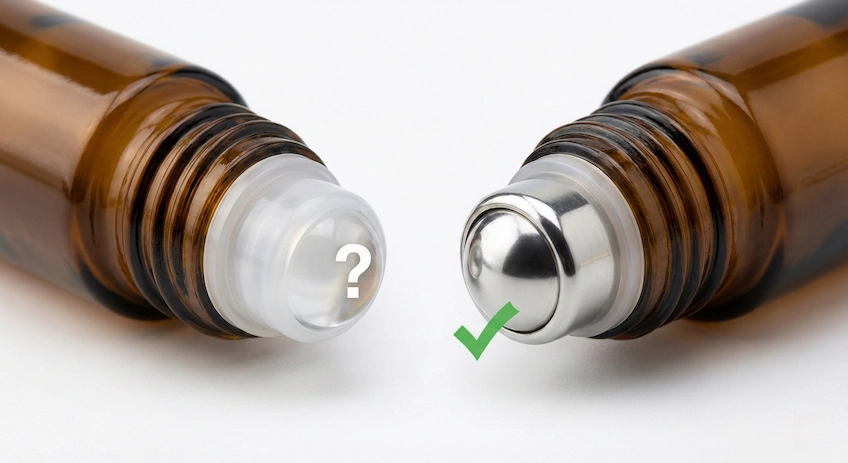
1. The Engineering: Why "Fit" Matters More Than Material
The secret to a leak-proof bottle isn't just the ball; it's the Housing Fitment.
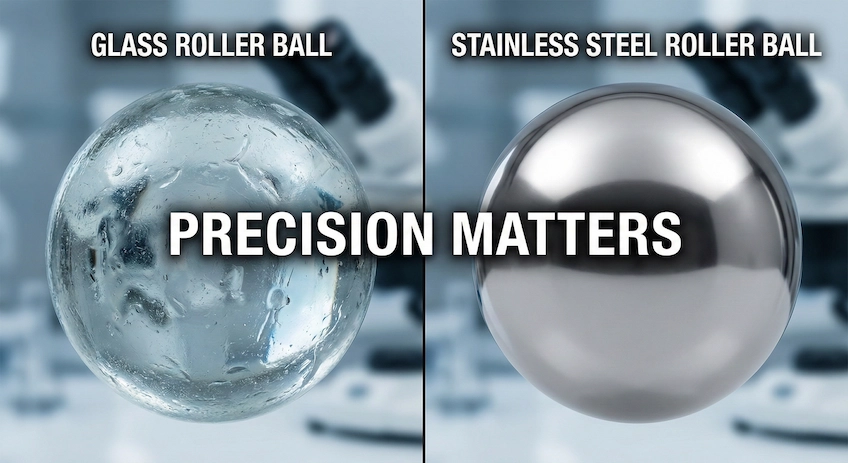
- Glass Balls: Being molded from molten silica, glass balls often have microscopic irregularities (out-of-roundness). This makes it difficult to achieve a perfect seal with the plastic housing, leading to leakage.
- Stainless Steel Balls: Manufactured via CNC precision grinding, steel balls are perfectly spherical. This tight tolerance creates a flawless seal against the housing, preventing the "dreaded purse leak."
2. Stainless Steel Rollers: The B2B Gold Standard
For 90% of cosmetic and aromatherapy applications, Stainless Steel is the winner.
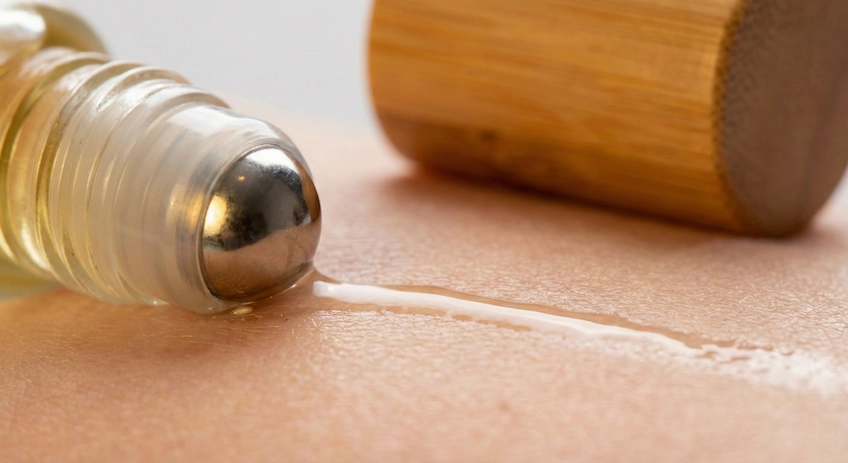
- Cooling Effect: The metal retains cold, providing a soothing sensation during application—perfect for headache relief blends or eye serums.
- Flow Control: Steel allows for a thin, even layer of oil.
- Durability: It will never chip or crack if dropped.
Pro Tip: Ensure your supplier uses Type 304 Stainless Steel. Cheaper metals can corrode when exposed to potent citrus oils. See our Bamboo Roller Bottle1 specs for details.
3. Glass Rollers: The Niche Alternative
Glass balls still have a place in the market, primarily for specific chemical needs.
- Acid Resistance: For extremely acidic blends (like high concentrations of lemon or vinegar-based toners), glass is 100% inert.
- Hypoallergenic: For customers with severe metal sensitivities (rare), glass is a safe bet.
- The Downside: They are prone to "popping out" if the user presses too hard, and the flow is often heavier/wetter than steel.
4. Comparison Table: Making the Sourcing Decision
To help you choose the right component for your product line, we've compared the three most common roller types.
| Feature | Stainless Steel (304) | Glass Ball | Gemstone (Crystal) |
|---|---|---|---|
| Leak Resistance | ⭐⭐⭐⭐⭐ (Excellent) | ⭐⭐⭐ (Moderate) | ⭐⭐⭐ (Variable) |
| Application Feel | Cooling, Smooth Glide | Neutral, Sometimes Draggy | Textured, Spiritual Appeal |
| Durability | Unbreakable | Prone to Chipping | High |
| Cost | Medium | Low | High (Luxury) |
| Best For | Essential Oil Blends1 | Acidic Toners | "Wellness" Marketing |
5. What About Corrosion?
A common myth is that essential oils corrode metal. According to the National Association for Holistic Aromatherapy (NAHA)2, pure essential oils are stored safely in stainless steel drums industrially. Corrosion usually occurs only with cheap, plated metals or when water is introduced into the formula without a preservative.
At ECO-BAMBOO, our fitments are tested against the strongest essential oils (like Clove and Cinnamon) to ensure zero reactivity.
Conclusion
Are stainless steel or glass roller balls better? For reliability, luxury feel, and leak prevention, Stainless Steel is the clear B2B winner. Glass is best reserved for niche, highly corrosive formulations.
Your customers judge your brand by how well the product works. Don't let a cheap roller ball ruin their experience.
🔧 Upgrade Your Components
Stop leaks before they happen. Switch to our precision-engineered Stainless Steel Roller Bottles. 👉 Request a Premium Sample Kit