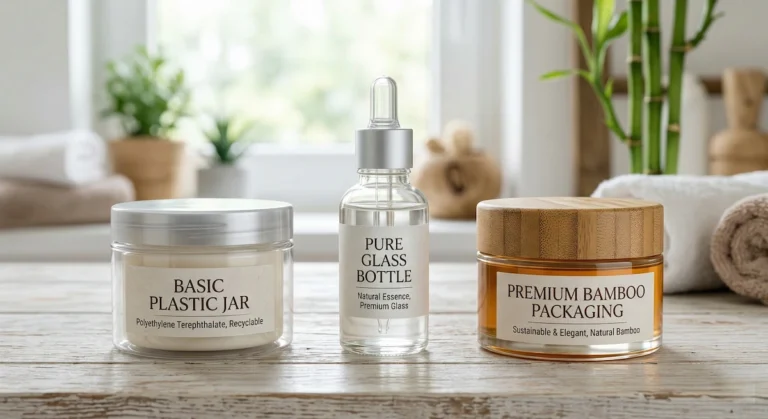

In the sustainable beauty market, "Single-Use" is out; "Refill & Reuse" is in. Forward-thinking brands are not just selling essential oils; they are selling a lifestyle of sustainability.
A common barrier for customers entering the refill economy is maintenance: "How do I properly clean my roller bottle to switch scents?"
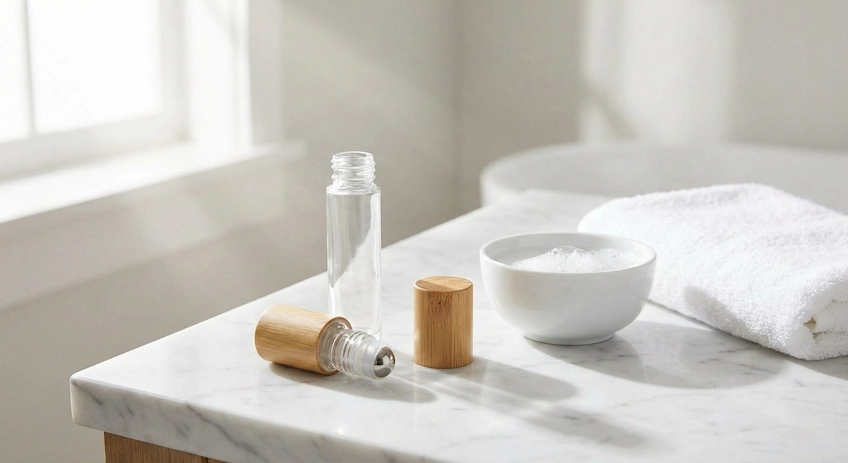
As a packaging supplier, ECO-BAMBOO designs Bamboo Glass Roller Bottles1 specifically for longevity. Unlike porous plastics that trap odors forever, our high-quality glass and stainless steel components can be sterilized and reused indefinitely.
This guide provides the professional protocol for cleaning roller bottles—content you can use to educate your customers and promote your refill line.
1. Disassembly: The Key to Deep Cleaning
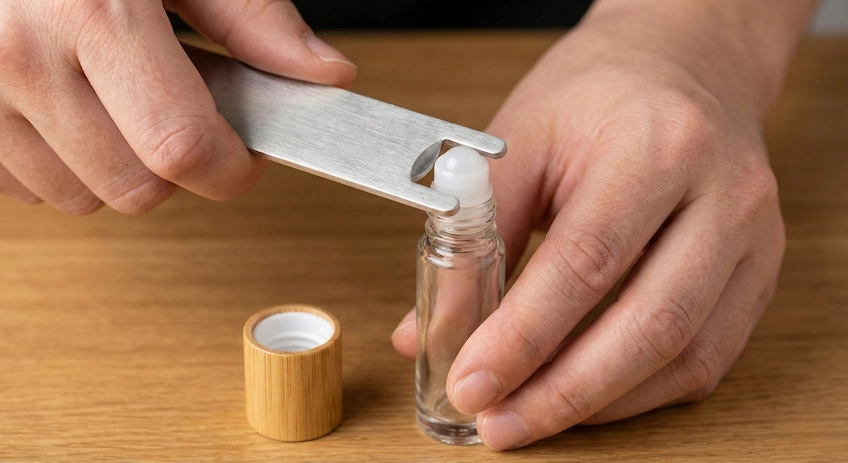
You cannot clean a roller bottle effectively without taking it apart. This is where the quality of the fitment matters. Cheap plastic housings crack when removed; ECO-BAMBOO's precision fitments are designed to pop out and snap back in.
The Protocol:
- Remove Cap: Unscrew the bamboo cap.
- Extract Fitment: Use an Opener Tool (or the bottle cap edge) to gently pry the roller housing up. Do not use teeth or knives.
- Separate Parts: You should have three components: the glass bottle, the roller ball housing, and the bamboo cap.
B2B Tip: Offer a branded Opener Tool in your "Starter Kit." It empowers customers to refill effortlessly and reduces the risk of damaging the bottle.
2. The Cleaning Process: Removing Oil Residue
Essential oils are hydrophobic and sticky. Water alone won't work. We recommend a 3-step process to ensure zero scent cross-contamination.
| Step | Cleaning Agent | Purpose |
|---|---|---|
| 1. Soak | High-Proof Alcohol (Vodka/Rubbing Alcohol) | Dissolves oil residue and sanitizes. |
| 2. Wash | Warm Soapy Water | Removes sticky buildup. |
| 3. Rinse | Distilled Water | Prevents mineral spots. |
Special Care for Bamboo: While the glass and stainless steel roller can be soaked, never soak the bamboo cap. The wood is hygroscopic. Simply wipe the bamboo exterior with a damp cloth and sanitize the inner plastic thread with alcohol.
3. Why Material Choice Affects Reusability
Not all bottles are meant to be reused. According to the U.S. Environmental Protection Agency (EPA)2, glass is one of the few materials that can be endlessly recycled or repurposed without degrading.
- Glass vs. Plastic: Plastic bottles absorb essential oil compounds (like citrus terpenes), causing permanent "flavor ghosting." Glass is non-porous and resets to neutral after washing.
- Stainless Steel vs. Plastic Balls: Plastic balls degrade and get scratched, trapping bacteria. Our Stainless Steel Rollers1 remain smooth and hygienic for years.
4. Sterilization: Preparing for the Next Blend
For brands offering "Refill Stations," hygiene is non-negotiable. After washing, the glass components should be sterilized.
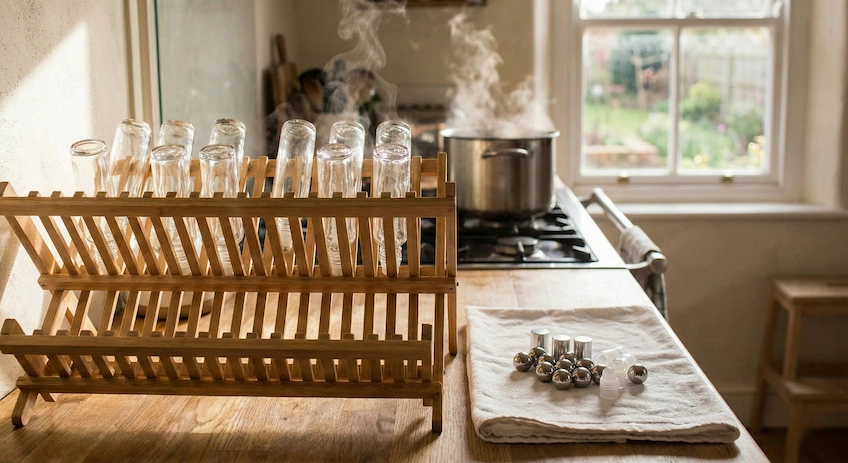
- Boiling: Submerge the glass bottle only in boiling water for 5 minutes.
- UV Sanitization: For commercial settings, UV light cabinets are effective for drying and sterilizing both glass and plastic housings.
- Drying: Ensure all parts are bone-dry. Any moisture left inside can cause your new essential oil blend3 to spoil or grow mold.
Conclusion
The ability to clean and reuse packaging is a major selling point for modern consumers. By choosing ECO-BAMBOO's durable hybrid packaging, you aren't just selling a bottle; you are providing a long-term wellness tool that supports a zero-waste future.
Don't let your packaging be a "one-night stand." Build a relationship that lasts.
🌿 Launch Your Refill Line
Sourcing durable packaging is the first step to a successful refill system. 👉 Request Reusable Roller Samples