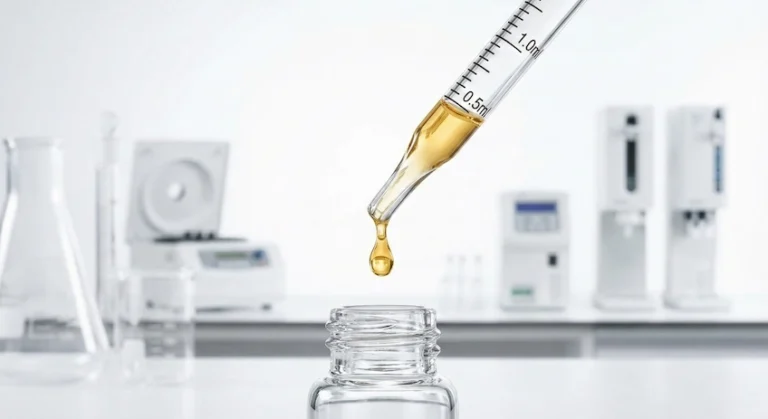

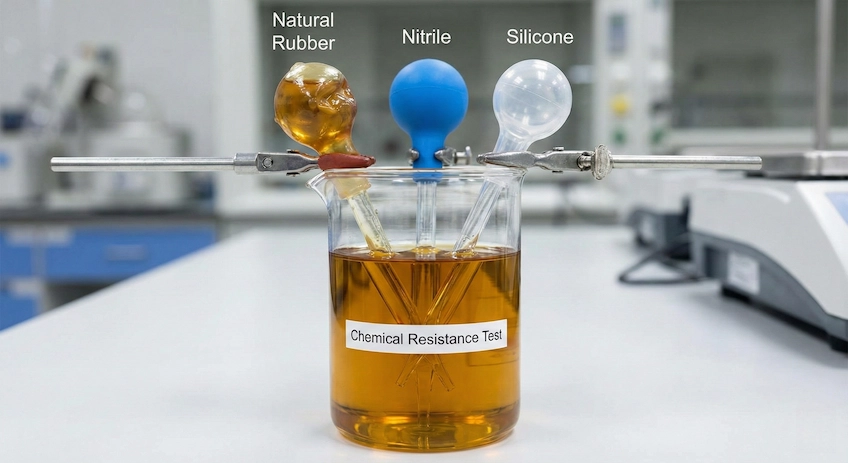
For essential oil and serum brands, the "Dropper Bulb" is the critical point of failure. A mismatch between your formula and the bulb material can lead to Swelling, Disintegration, or Leaching within weeks.
As a B2B buyer, you need to know exactly what your bulb is made of. Most dropper bulbs are crafted from Natural Rubber, Nitrile (NBR), or Silicone. At ECO-BAMBOO, we pair our Bamboo Dropper Bottles1 with the right bulb material to ensure your product remains pure from the first drop to the last.
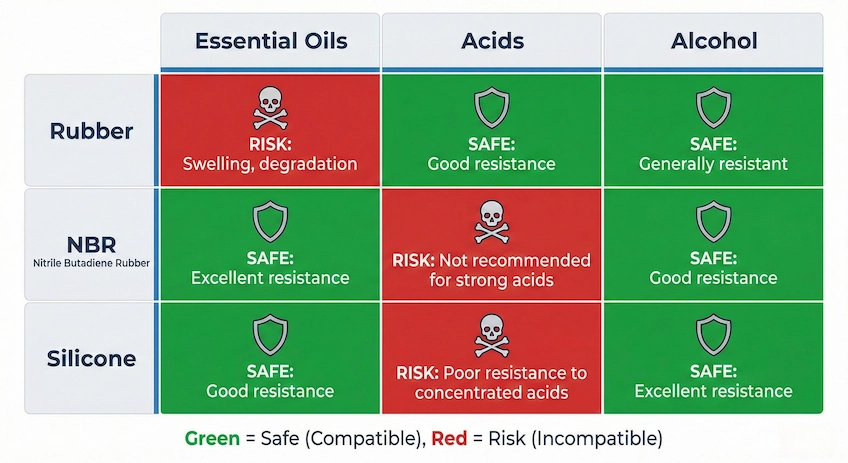
1. Natural Rubber (Latex): The Traditional Choice
- Characteristics: Soft, high elasticity, matte finish.
- Chemical Resistance: Low.
- Risk: It swells rapidly when exposed to Citrus Oils (Limonene), hydrocarbons, or non-polar solvents.
- Verdict: Suitable for water-based serums, but AVOID for concentrated essential oils.
2. Nitrile Rubber (NBR): The Oil-Resistant Standard
- Characteristics: Stiffer feel, often shiny or matte.
- Chemical Resistance: Good.
- Benefit: Excellent resistance to vegetable oils, mineral oils, and acids. It is the industry standard for Essential Oil Packaging2.
- Verdict: The "Workhorse" material for most cosmetic oils.
3. Silicone: The Premium, Inert Choice
- Characteristics: Silky touch, translucent or colored, high heat resistance.
- Chemical Resistance: Excellent.
- Benefit: Biologically inert and resistant to oxidation and high temperatures. It does not react with most active ingredients.
- Verdict: Best for high-end skincare, aggressive acids, and "Clean Beauty" brands.
Pro Tip: Always ask your supplier for a Compatibility Test. Submerge the bulb in your formula for 72 hours to check for swelling.
4. Comparison Matrix: Choosing the Right Bulb
Use this table to match your formula to the correct bulb material.
| Material | Elasticity | Oil Resistance | Acid Resistance | Cost | Best For |
|---|---|---|---|---|---|
| Natural Rubber | High | Poor (Swells) | Fair | Low | Water-based Serums |
| Nitrile (NBR) | Medium | Good | Good | Medium | Essential Oils |
| Silicone | High | Excellent | Excellent | High | Luxury / Acids |
| TPE / TPV | Medium | Good | Good | Low | Recyclable Options |
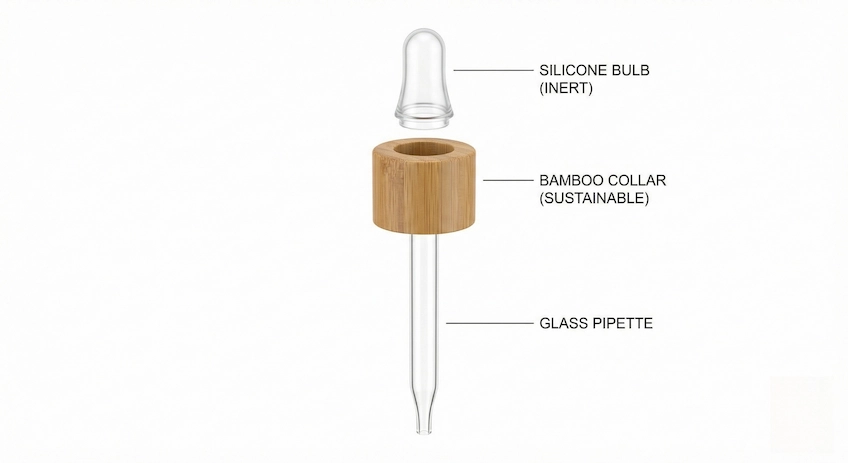
5. The ECO-BAMBOO Solution: Aesthetic & Safe
We don't just sell "droppers." We sell Compatibility. Our Flat Shoulder Bamboo Droppers3 are available with either NBR or Silicone bulbs to suit your specific formulation needs.
- Bamboo Collar: FSC-Certified sustainable wood.
- Glass Pipette: Low-borosilicate or High-borosilicate glass.
- The Bulb: Customized to your chemical requirements.
Conclusion
Are dropper bulbs chemical-resistant? Only if you choose the right material. Don't risk product recall due to a melting rubber bulb.
Partner with ECO-BAMBOO to source scientifically matched packaging that protects your formula's integrity.
🧪 Test Your Compatibility
Not sure if your oil will react? Request a sample kit including NBR and Silicone bulbs for testing. 👉 Get Your Chemical Compatibility Sample Kit