
For a cosmetic brand, the lip balm container is more than just a vessel; it is the first physical interaction a customer has with your product. Choosing the right material impacts your Cost of Goods Sold (COGS), Brand Perception, and Sustainability Goals.
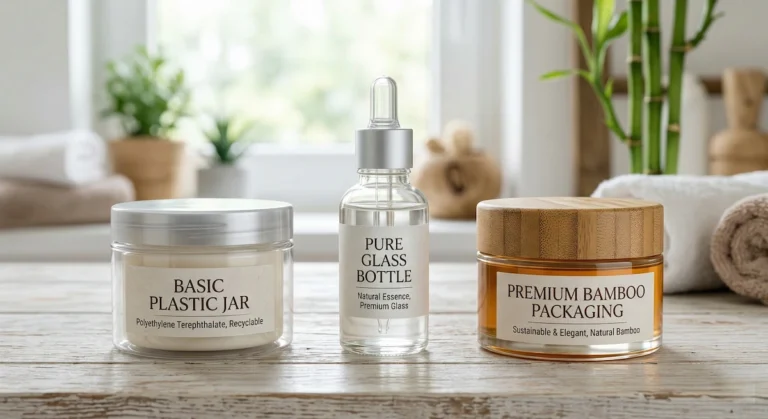
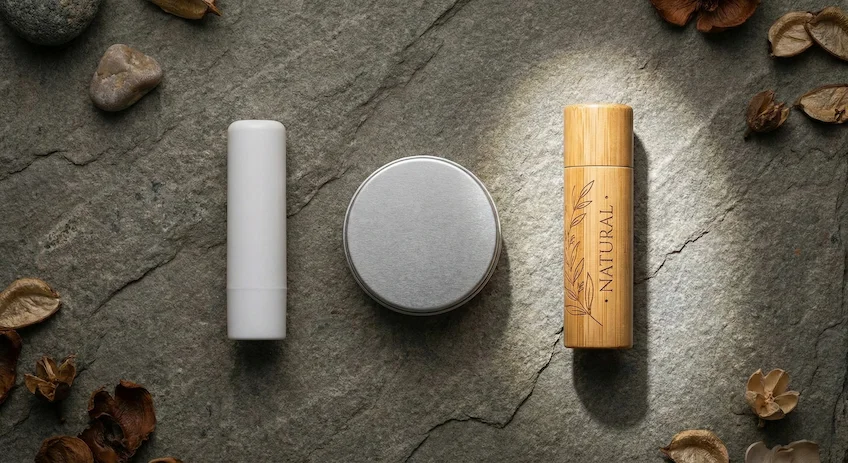
The market is dominated by three main materials: Plastic (PP/PET), Aluminum, and Bamboo. Which one is right for your brand?
At ECO-BAMBOO, we help brands transition from generic plastic to premium Bamboo Lip Balm Tubes1. This guide compares the pros and cons of each material to help you make an informed sourcing decision.

1. Plastic (Polypropylene/PET): The "Budget" Standard
Plastic is the incumbent king of lip balm packaging due to its low cost.
- Pros: extremely cheap, lightweight (low shipping cost), durable.
- Cons: Perceived as "cheap" or "mass market," derived from fossil fuels, often ends up in landfills.
- Verdict: Good for pharmacy brands, but a liability for "Clean Beauty" brands.
2. Aluminum: The "Recyclable" Contender
Aluminum tins and tubes offer a sleek, industrial look.
- Pros: 100% infinitely recyclable, lightweight, excellent barrier against light and air.
- Cons: Can dent easily during shipping (high scrap rate), limited design options (mostly silver/gold).
- Our Solution: We integrate aluminum inners into our Bamboo Aluminum Jars2 to combine durability with the warmth of wood.
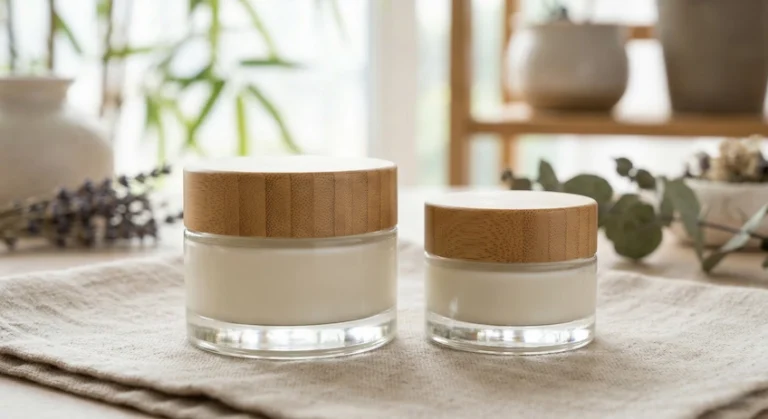
3. Bamboo: The "Eco-Luxury" Hero
Bamboo is the fastest-growing trend in premium cosmetics. It signals "Natural" and "Organic" instantly.
- Pros: Renewable resource, premium tactile feel, highly customizable (laser engraving), biodegradable shell.
- Cons: Higher upfront cost than plastic.
- Why It Wins: Brands using our Bamboo Lip Balm Tubes1 report higher customer retention and the ability to charge a premium price point.

4. Material Comparison Table: B2B Sourcing Guide
Use this table to align your packaging choice with your brand strategy.
| Feature | Plastic (PP) | Aluminum | Bamboo Hybrid |
|---|---|---|---|
| Cost | Low ($) | Medium ($$) | Medium-High ($$$) |
| Sustainability | Low (Polluting) | High (Recyclable) | Very High (Renewable) |
| Durability | High | Medium (Dents) | High (Robust Shell) |
| Brand Image | Generic | Clinical / Cool | Premium / Natural |
| Customization | Sticker Label | Print / Emboss | Laser Engraving |
5. The "Paper" Alternative (and Why We Chose Bamboo)
Paper tubes are popular for zero-waste, but they have a fatal flaw: Durability. Paper tubes often get soggy with oil-based balms or crushed in handbags. ECO-BAMBOO focuses on Bamboo because it offers the same eco-credentials as paper but with the structural integrity of a hard shell.
Conclusion
Plastic is for price. Aluminum is for recycling. Bamboo is for Brand Building.
If your brand story involves "Organic," "Natural," or "Luxury," you cannot afford to use cheap plastic. Switch to ECO-BAMBOO's certified packaging to align your product's outside with the quality inside.
🌿 Request Your Material Sample
Touch and feel the difference. Get a sample kit of our Bamboo, Aluminum, and Hybrid options. 👉 Get Your Sample Kit