
Bamboo is a natural, porous material. While it offers a premium, eco-friendly aesthetic, it requires specific care to prevent staining and odor retention. For brands selling Bamboo Water Bottles1, providing clear care instructions is crucial to reducing returns and maintaining customer satisfaction.
Unlike plastic, you cannot just bleach bamboo. Here is the professional guide to maintaining the hygiene and beauty of your bamboo packaging components.
1. The "Vinegar Soak" for Strong Odors
If a customer complains of a "musty" or "stale coffee" smell in their bamboo lid, it's usually trapped in the silicone seal or the wood pores.
The Protocol:
- Mix: 1 part White Vinegar + 4 parts Warm Water.
- Soak: Submerge the Bamboo Screw Cap1 for 15-20 minutes. (Do not soak overnight, as wood may swell).
- Rinse & Dry: Rinse thoroughly and air dry completely in a well-ventilated area.
Why It Works: Acetic acid in vinegar neutralizes alkaline odors (like stale coffee) and kills surface mold spores without damaging the wood finish.
2. The "Baking Soda Paste" for Stains
For coffee or tea stains on the bamboo exterior or inner rim:
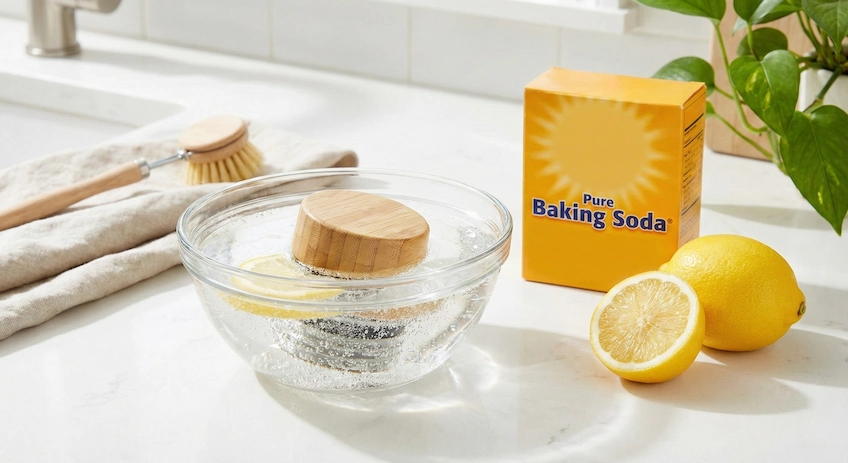
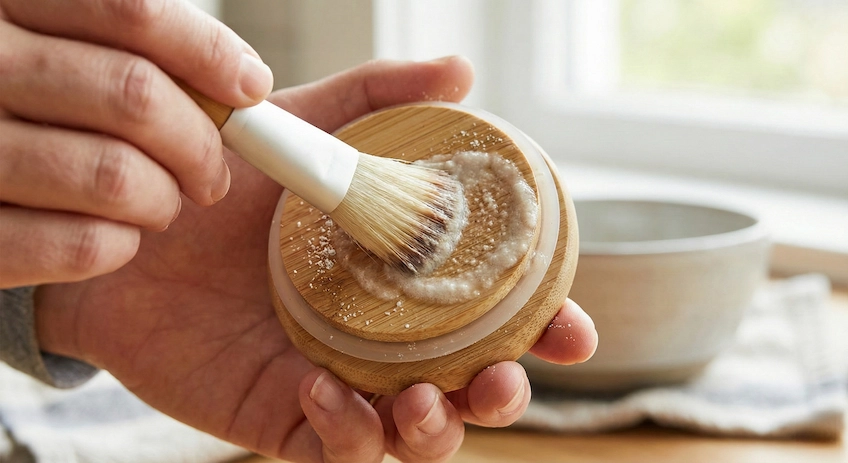
- Create Paste: Mix Baking Soda with a little water to form a thick paste.
- Scrub: Use a soft toothbrush to gently scrub the stained area.
- Wipe: Wipe clean with a damp cloth.
3. Prevention: The "No-Soak" Rule
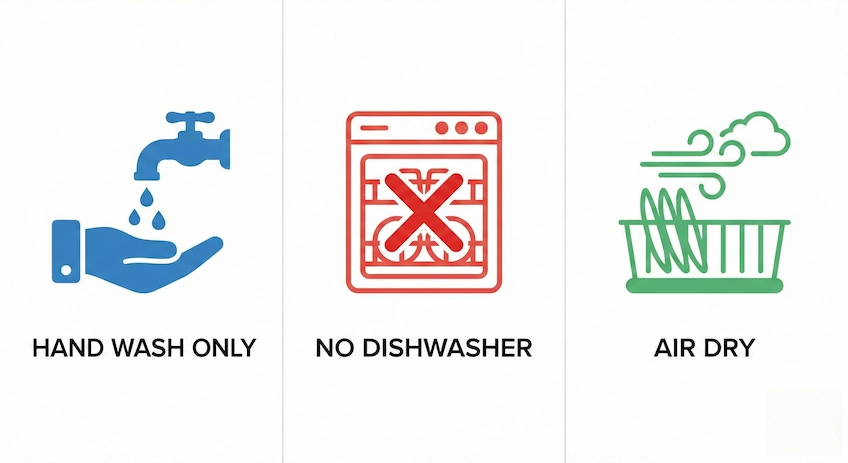
The #1 cause of damaged bamboo lids is Waterlogging. Educate your customers: Never put bamboo in the dishwasher.
- High Heat: Causes the bamboo to crack or warp.
- Prolonged Moisture: Encourages mold growth under the silicone ring.
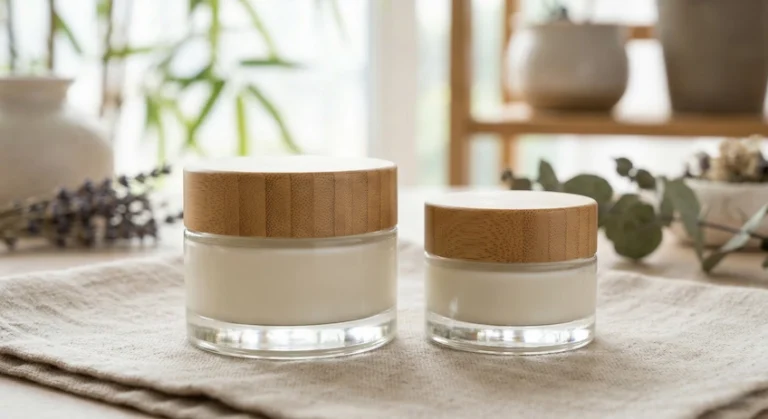
ECO-BAMBOO Design Advantage: Our Bamboo Lids for Glass Jars2 feature a Varnish Coating and a PP/Stainless Steel Inner that creates a moisture barrier, significantly reducing the risk of mold compared to raw wood caps.
4. Revitalizing Dry Wood
Over time, bamboo can look dry or faded. Suggest a monthly "Spa Treatment" to your customers:
- Rub a small amount of Food-Grade Mineral Oil or Coconut Oil onto the bamboo shell.
- buff with a soft cloth.
- This restores the luster and creates a water-repellent layer.
Conclusion
Bamboo packaging is durable, but it is not indestructible. By including these cleaning tips in your product insert or website FAQ, you empower your customers to keep their ECO-BAMBOO products looking new for years.
Proper care = Long life = Happy customers.
🌿 Ensure Product Longevity
Looking for low-maintenance bamboo components? Request a sample of our varnished, mold-resistant bamboo caps. 👉 Get Your Maintenance-Free Sample Kit