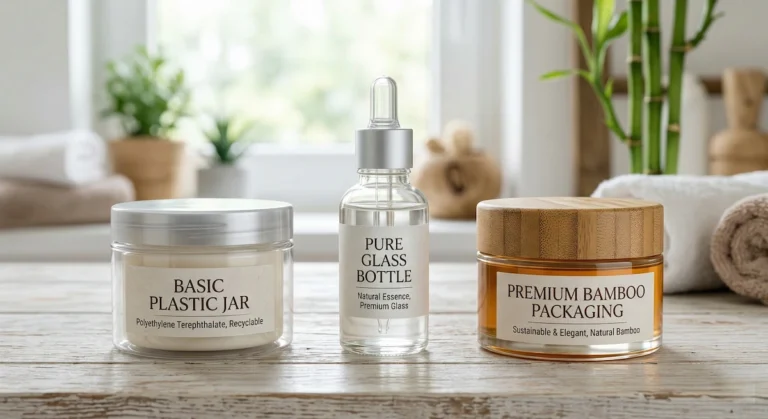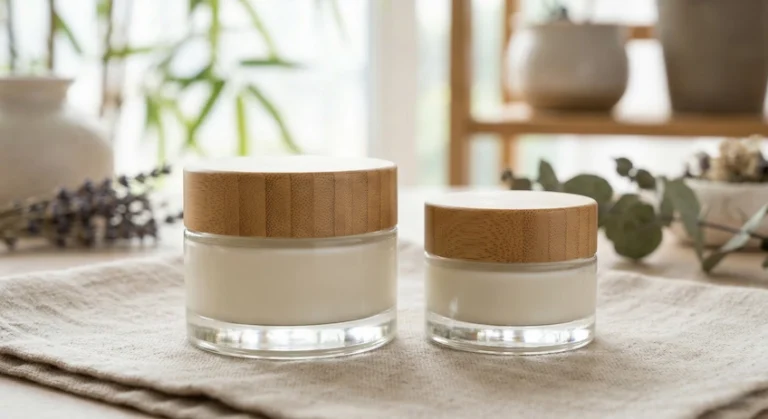

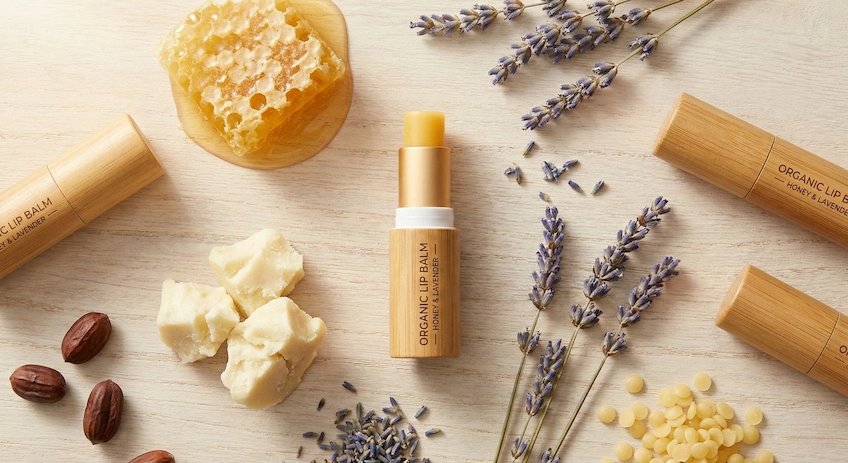
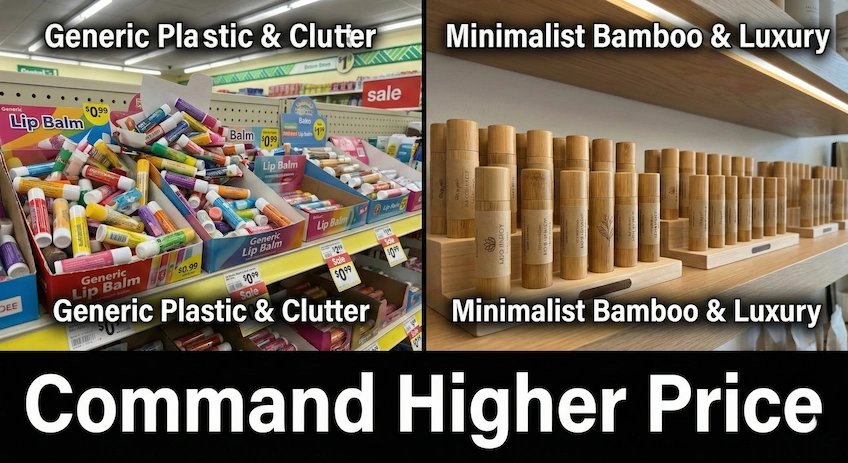
In the saturated lip care market, a plastic tube says "commodity," but a bamboo tube says "premium."
For cosmetic brands, the switch to bamboo packaging1 isn't just about saving the planet—it's about saving your profit margins.
Data from McKinsey & Company2 shows that 60-70% of consumers are willing to pay more for sustainable packaging. This guide explains why switching to bamboo is the smartest ROI decision for your 2026 product line.
The "Plastic Fatigue" Problem
Consumers are tired of guilt. Every time they finish a plastic lip balm, they are forced to throw it in the trash, contributing to the 11 million metric tons of plastic entering our oceans annually (Pew Charitable Trusts3).
The Bamboo Solution: Our wholesale bamboo lip balm tubes1 offer a guilt-free disposal experience.
- Outer Shell: 100% Biodegradable FSC Bamboo.
- Inner Component: Available in PP (Recyclable) or Aluminum (Plastic-Free).
- Result: A product that consumers feel good about buying again and again.
3 Reasons Why Bamboo Boosts Brand Equity
1. The "Tactile Luxury" Effect
Plastic feels cheap and cold. Bamboo feels warm, organic, and substantial. When a customer picks up a luxury bamboo lipstick tube4, the weight and texture immediately signal a higher price point, allowing you to increase your MSRP.
2. Built-in Marketing Story
You don't need to spend thousands on ads when your packaging speaks for itself.
- Visual Distinction: No two bamboo tubes have the same grain pattern.
- Eco-Credentials: "FSC-Certified," "Compostable Exterior," and "Zero-Waste" are claims that drive social media shares.
3. Stability & Performance
A common myth is that eco-packaging is fragile. In reality, our carbonized bamboo shells are harder than oak and moisture-resistant. They protect your organic beeswax or vegan formulas from UV light and temperature fluctuations better than thin plastic.
Customization: Make It Yours
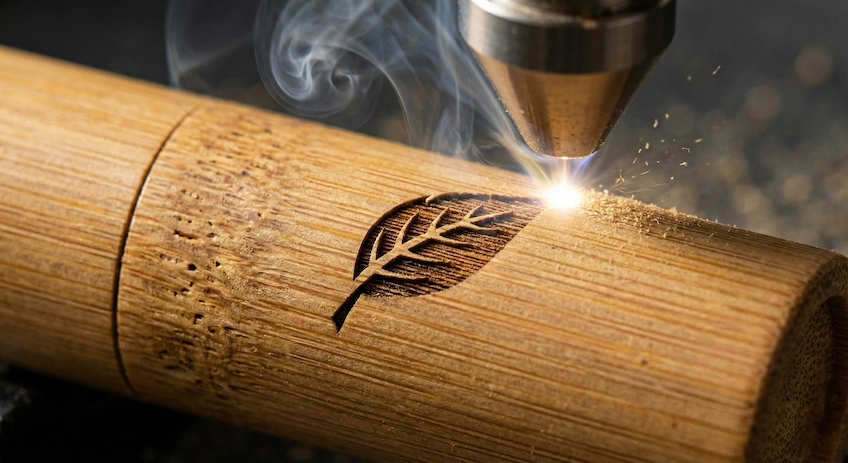
Generic packaging kills brands. At ECO-BAMBOO, we help you stand out. Instead of cheap stickers that peel off, we offer Laser Engraving and Silk Screen Printing directly on the wood.
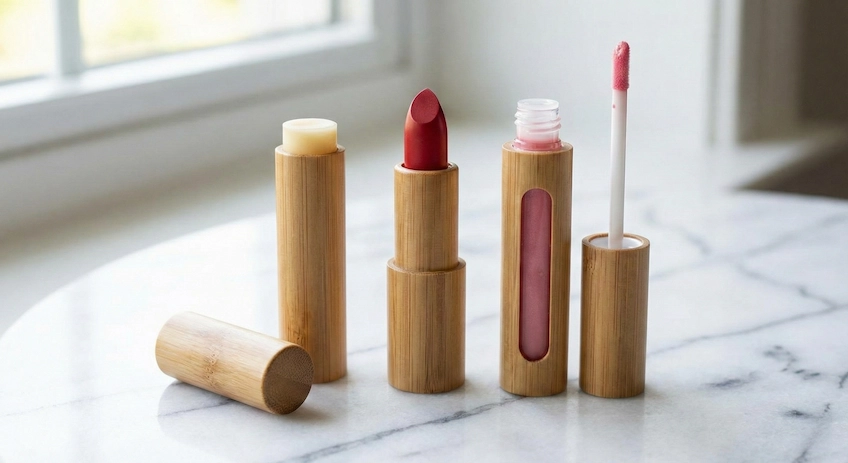
- Lip Gloss: Pair our bamboo lip gloss tubes5 with a clear window to show off shade colors.
- Lipstick: Use our refillable systems for the ultimate sustainable statement.
Conclusion
The future of lip balm isn't just "clean ingredients"; it's clean packaging.
By switching to bamboo lip balm tubes1, you differentiate your brand in a crowded aisle, justify a premium price tag, and turn your packaging into your most powerful marketing asset.
🌿 Upgrade Your Brand Image
Request a sample kit to feel the bamboo difference. 👉 Get Sustainable Samples