Tips & Guides 4 min read

Is Bamboo 100% Biodegradable?

Fendi

Updated:

Looking for fully eco-friendly1 packaging but unsure if bamboo truly disappears after use? You’re asking the right question.

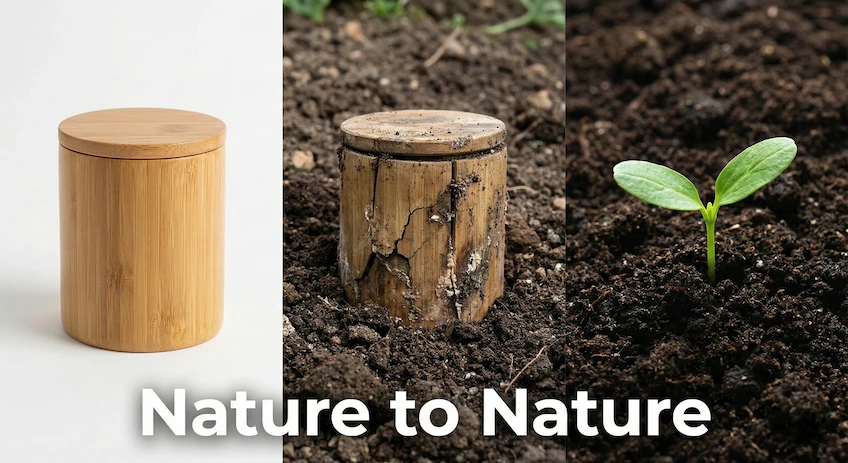
Bamboo is highly biodegradable2, breaking down completely in 6–12 months when untreated. However, its 100% biodegradability3 depends on processing and finishes used.

alt with keywords

At ECO-BAMBOO, we love bamboo’s natural ability to leave no trace behind. But not all bamboo products4 are equal. Synthetic coatings and adhesives often cut down biodegradability. I remember a client who wanted to know if our bamboo makeup packaging would "vanish" in her garden compost. We sent her a sample finished with a water-based, non-toxic coating5. Months later, she happily reported it had blended into her soil, enriching her basil plants. This story shows the power of choosing bamboo processed the right way. Transparent sourcing and eco-friendly1y finishes](https://www.moso-bamboo.com/bamboo-outdoor/)%%%FOOTNOTE_REF_6%%% make bamboo’s biodegradability close to 100%. This makes it a top choice for sustainable packaging if you check carefully.

Is Bamboo Fully Biodegradable?

You might wonder if all bamboo products4 naturally break down, or if some hang around longer in the environment.

Bamboo fiber itself is fully biodegradable, generally decomposing within 6 to 12 months under composting conditions, but additives like synthetic adhesives and coatings reduce this biodegradability.

alt with keywords

Pure and untreated bamboo behaves like any organic material, breaking down quickly in soil or compost. However, some products have synthetic components added for strength or water resistance. These additives slow down natural decay or stop it entirely. Our ECO-BAMBOO packaging avoids these by using only water-based, SGS and RoHS certified finishes7. These certifications mean the coatings are non-toxic and safely biodegrade with the bamboo. For consumers, the lesson is clear: don’t accept "biodegradable" at face value. Ask about product treatments and certifications to ensure your bamboo product really breaks down fully.

Is 100% Recycled Toilet Paper Better Than Bamboo?

If eco-friendliness is your goal, you might wonder if recycled toilet paper8 beats bamboo products4.

100% recycled toilet paper8 reduces waste by reusing fiber but may consume more energy during recycling, while bamboo grows fast9 with minimal chemicals, giving it strong sustainability benefits.

alt with keywords

Consider the lifecycle differences. Recycled toilet paper prevents waste, turning used paper into fresh tissue without cutting new trees. However, energy and water use can be high in recycling processes. Bamboo, on the other hand, grows quickly—sometimes several feet daily—without fertilizers or pesticides. This makes bamboo highly renewable and less taxing on soil health. However, harvesting and processing bamboo also use resources and must be managed carefully. Both choices have pros and cons, and the best depends on local recycling infrastructure and production methods. Bamboo especially stands out when it replaces plastics or non-recycled materials. Choosing certified, transparent options ensures real environmental benefits.

Criteria 100% Recycled Toilet Paper Bamboo Products
Raw material source Waste paper Fast-growing bamboo
Environmental impact Saves trees, moderate energy Low chemicals, fast regrowth
Processing needs Water, bleaching, energy Harvesting, finishing treatments
Biodegradability Fully biodegradable Fully biodegradable if untreated

Is Bamboo 100% Recyclable?

Can bamboo packaging be recycled like plastic or paper? This question comes up often.

Bamboo is not typically recyclable in standard waste streams but is biodegradable, making composting a better disposal option.

alt with keywords

Recycling means processing material again to create new products. Bamboo fibers don’t easily fit into paper or plastic recycling facilities due to fiber size and coatings. Most bamboo packaging is designed to break down naturally instead. Composting bamboo returns nutrients to the soil, reducing landfill waste without the energy of recycling. ECO-BAMBOO focuses on packaging meant to compost, closing the product loop organically. For environmental benefit, it’s important to separate recyclable waste from compostable waste properly. Handling bamboo as compostable waste rather than recyclable helps ensure its green advantage.

Is Bamboo Really Environmentally Friendly?

Is bamboo truly a green solution, or does harvesting and processing hide environmental harm?

Bamboo is environmentally friendly due to its fast growth, low pesticide use, and soil health benefits, but sustainability depends on responsible sourcing10 and chemical-free processing.

alt with keywords

Bamboo grows rapidly and regenerates from root systems, preventing soil erosion. This carbon-capturing plant is a natural ally against deforestation and land degradation. But like all crops, bamboo’s sustainability depends on how it’s farmed. Poor harvesting practices can lead to monocultures and soil depletion. Processing steps involving harsh chemicals negate bamboo’s environmental benefits. At ECO-BAMBOO, I’ve learned the importance of transparent sourcing11 and using only trusted, eco-certified finishes. Responsible bamboo use protects ecosystems while offering strong, sustainable packaging options. Brands and consumers should always check for audits or certifications verifying this care.

Conclusion

Bamboo’s biodegradability and eco-friendliness depend on careful treatment and certification, making it a highly sustainable packaging choice when handled right.


  1. Explore this resource to discover comprehensive insights on eco-friendly packaging, including materials, certifications, and best practices.

  2. Explore the unique properties of bamboo that contribute to its biodegradability and environmental benefits.

  3. Learn about the processing and finishes that influence bamboo's biodegradability and how to choose the right products.

  4. Explore this resource to understand how bamboo products contribute to sustainability and eco-friendliness.

  5. Discover why non-toxic coatings are essential for maintaining bamboo's eco-friendly properties.

  6. Explore the types of eco-friendly finishes that can enhance bamboo's sustainability.

  7. Find out how these certifications ensure the safety and sustainability of bamboo packaging.

  8. Compare the environmental impacts of recycled toilet paper and bamboo to make sustainable choices.

  9. Learn about bamboo's rapid growth and its implications for sustainability and resource use.

  10. Understand the importance of responsible sourcing practices for sustainable bamboo products.

  11. Learn how transparency in sourcing can enhance the sustainability of bamboo packaging.

Ready to switch to Bamboo?

Get a competitive quote for your cosmetic packaging needs today.

Request Quote

About Fendi

Sustainable packaging expert at ECO-BAMBOO. Dedicated to providing eco-friendly solutions for the cosmetic industry.

View All Insights