
For beverage brands, "Taste Purity" is the holy grail. Consumers want hydration, not a woody aftertaste. While bamboo is a trending material for eco-friendly packaging1, a common procurement question is: "Will the bamboo lid or shell alter the flavor of the beverage?"
The short answer is No—if manufactured correctly. High-quality, cured bamboo components are chemically inert and will not leach flavor. However, low-grade alternatives using cheap varnishes can compromise your product's taste profile.
At ECO-BAMBOO, we engineer our Bamboo Water Bottle Caps2 to be 100% taste-neutral, ensuring your customers taste only what you bottled.

1. The Science of "Taste Leaching"
Taste alteration usually comes from three sources:
- The Material Itself: Uncured raw bamboo has a grassy scent.
- The Coating: Cheap chemical varnishes release Volatile Organic Compounds (VOCs).
- The Liner: Low-quality plastic liners inside the cap can absorb odors.
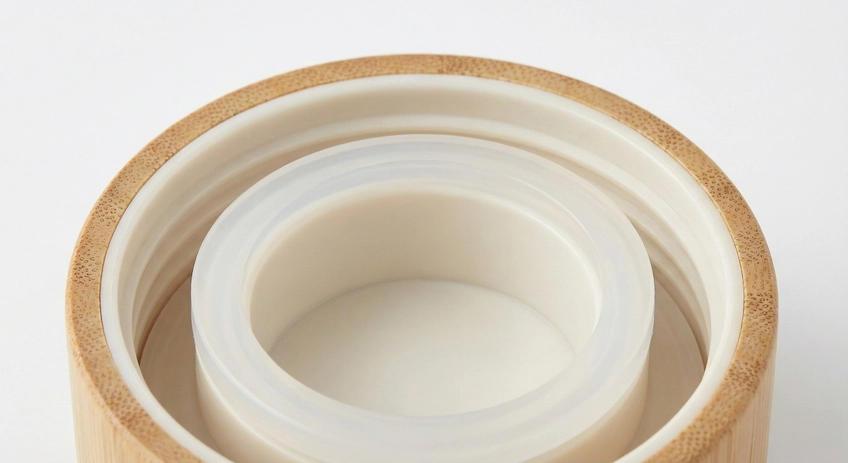
ECO-BAMBOO Solution: We use Carbonized Bamboo (heat-treated to remove moisture and scent) and finish it with a food-grade, odor-free UV coating. Our caps feature BPA-Free Silicone or PP Liners that act as a barrier between the liquid and the wood.
2. Bamboo Cups vs. Bamboo-Clad Bottles
It's important to distinguish between the two:
- Bamboo Fiber Cups: Made from bamboo powder + melamine resin. If the resin is low quality, it can leach at high temperatures (>70°C).
- Bamboo-Clad Glass/Steel: The liquid touches Glass or Stainless Steel, not the bamboo. The bamboo is purely for insulation and aesthetics.
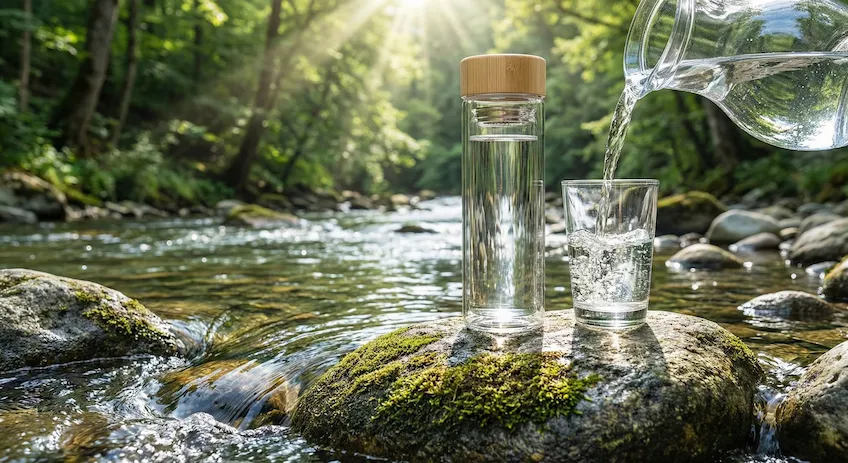
B2B Recommendation: For water brands, we recommend Bamboo Screw Caps2 paired with a Borosilicate Glass body. This ensures Zero Flavor Transfer while maintaining the eco-look.
3. Hot Drinks: Is Bamboo Safe?
Heat accelerates chemical migration. According to FDA Food Contact Guidelines3, materials used for hot beverages must pass rigorous extraction tests.
- Our Bamboo Caps: Safe for use with hot tea/coffee up to 95°C. The internal liner prevents steam from warping the wood or extracting tannins.
- Safety Tip: Avoid putting pure bamboo cups in the microwave, as it can degrade the structural integrity.
4. Why "Taste-Neutral" Matters for Branding
A metallic or woody taste is the #1 reason for negative reviews on reusable bottles. By choosing ECO-BAMBOO components, you protect your brand reputation.
| Material | Taste Impact | Risk Level | ECO-BAMBOO Verdict |
|---|---|---|---|
| Stainless Steel (Low Grade) | Metallic | Medium | Avoid (Use 304 Grade) |
| Plastic (BPA) | Chemical | High | Avoid |
| Raw Bamboo | Grassy/Earthy | Medium | Avoid |
| Cured Bamboo + Glass | None (Neutral) | Zero | Recommended |
5. Cleaning & Maintenance for Taste Preservation
Even the best bottle can develop a funk if not cleaned. Educate your customers:
- Hand Wash Only: Bamboo is natural; dishwashers can strip the protective coating.
- Dry Thoroughly: Don't let the bamboo cap soak in water.
- Vinegar Soak: If a smell develops (from the drink, not the bottle), a vinegar soak helps reset the liner.
Conclusion
Do bamboo bottles affect the taste of water? Not if you source from a professional manufacturer.
With ECO-BAMBOO's Bamboo Water Bottle Caps2, you get the premium aesthetic of wood with the clinical purity of glass.
💧 Taste the Difference
Looking for premium, taste-neutral bamboo components? Request a sample of our food-grade caps today. 👉 Get Your Quality Assurance Sample Kit