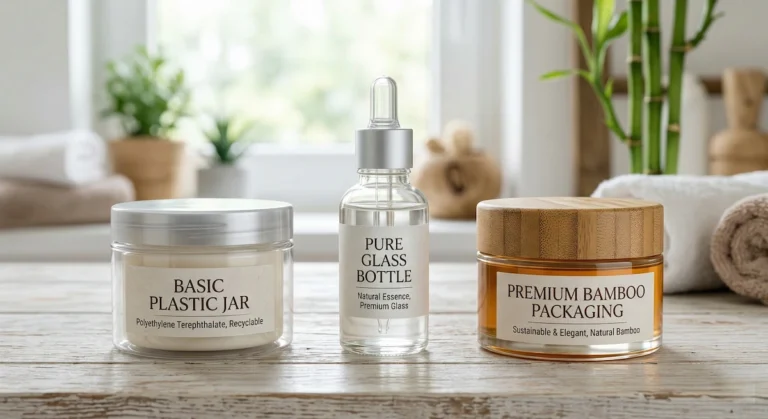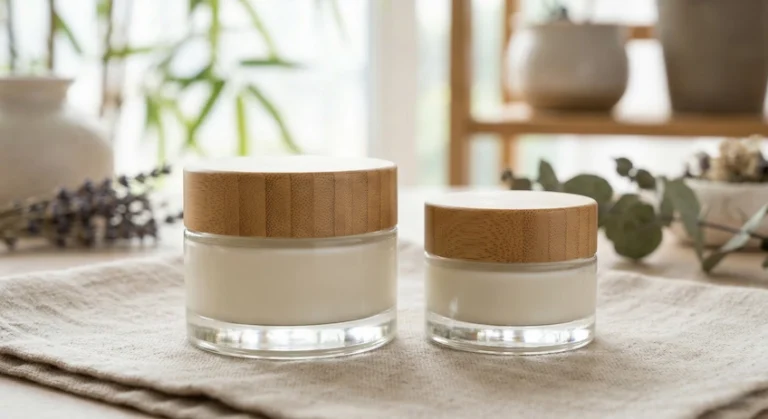
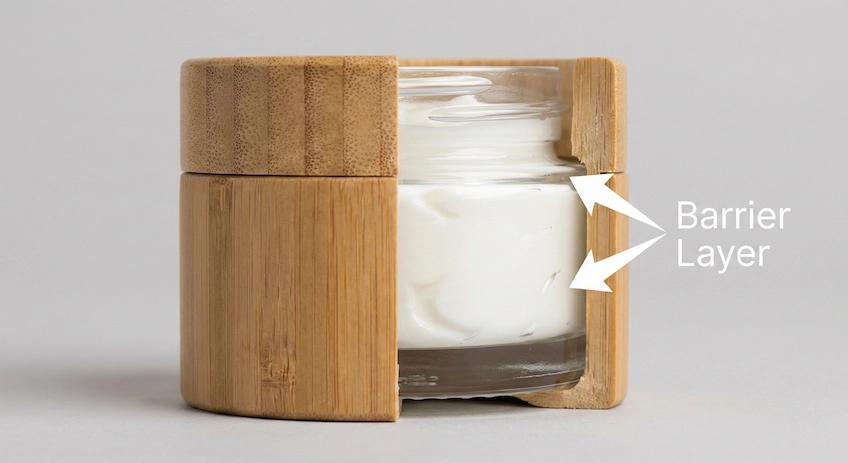
Not every cream benefits equally from bamboo packaging1. Natural bamboo’s absorbency makes it great for many products, but special formulas require technical enhancements2 to be truly safe.
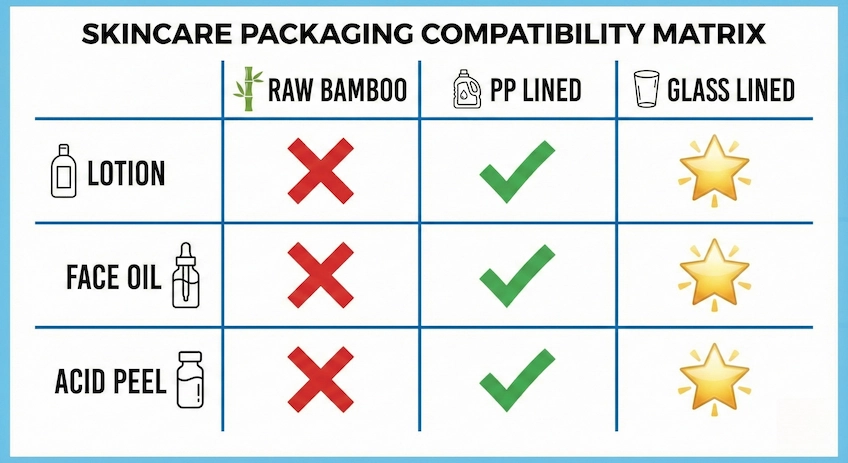
Bamboo cream jars are suitable for most cosmetics that are not highly water-based or extremely active. To store all cream types safely, jars must have food-grade liners3 or airtight inner cups4.

I always caution brands looking to shift all their packaging to bamboo. The material excels at holding oil-based creams and balms, melding sustainability with refined style. Yet, pure bamboo absorbs water and can degrade with volatile or acid-rich products5. My solution is technical: only use jars lined with SGS/ROSH-tested6 food-grade resins, or those engineered with inner cup inserts7 and airtight gaskets. This keeps creams unspoiled and packaging pristine for longer. Partnering with skilled suppliers is key—helping brands balance eco-values8 with product safety.
What are the disadvantages of bamboo packaging1?
Bamboo packaging’s main disadvantages are its natural absorbency, risk of warping or discoloration9, and the engineering needs for airtightness and compatibility with aggressive ingredients.

Despite its beauty and story, I always warn clients of bamboo’s limitations. The most obvious is moisture: too much water or poor care warps lids or jars, allowing air leaks or color changes. Without advanced lining or coatings, some formula types may seep or interact with natural bamboo fibers. There’s also a technical burden—making bamboo truly airtight and safe for delicate formulas takes extra steps and testing. I urge brands to work strictly with certified packaging suppliers and to run compatibility tests10 with their unique creams.
Bamboo Packaging Disadvantages Table
| Disadvantage | Cause | Solution |
|---|---|---|
| Absorbency | Natural bamboo fibers | Food-safe lining/resin |
| Warping/discoloration9 | Moisture, poor sealing | Airtight gasket, good coatings |
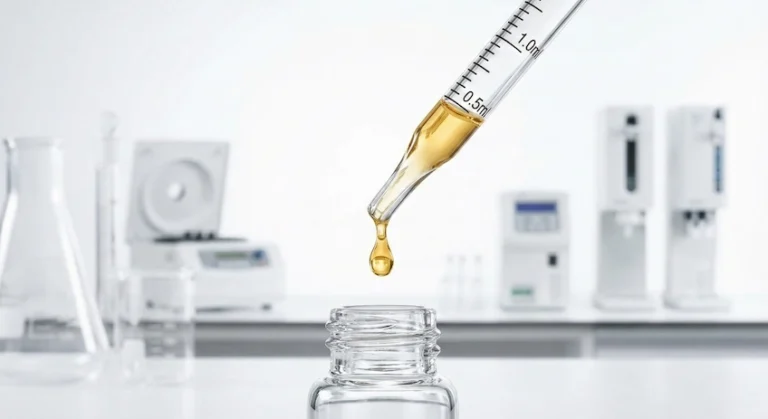
| Safety for strong actives | Acid/volatile formulas | Full product compatibility test |
Is bamboo packaging1 safe for all cosmetic ingredients?
Bamboo packaging is safe for most conventional creams when fitted with certified liners and coatings, but may be unsuitable for very acidic or highly volatile ingredients without special inner cups.

Having tested countless formulas, I always push for transparency. Natural bamboo can interact chemically with highly acidic or volatile actives, risking subtle changes to texture or efficacy. Top suppliers, including ECO-BAMBOO, combat this by using resin inner cups or special coatings—food-grade and SGS/ROSH-approved for full peace of mind. These enhancements shield the cream from direct contact with bamboo fibers, stopping migration or discoloration9. If you’re formulating with strong actives, always run shelf life11 and compatibility tests10 before making the switch.
Ingredient Safety Table
| Ingredient Type | Bamboo Jar Safety | Best Packaging Practice |
|---|---|---|
| Oil-based, mild creams | Safe, with or without liner | Bamboo, resin lining optional |
| Water-based creams | Safe only with lining | Bamboo + resin inner cup |
| Acidic/volatile actives | Needs compatibility tests10 | Bamboo + full inner lining |
Can you store products with high water content in bamboo jars?
Storing high water-content products in bamboo jars is only safe when jars have sealed, food-grade inner liners; plain bamboo jars risk moisture migration12, warping, or microbial growth.

Brands approach me hoping to bottle up gels and hydrating creams in bamboo for maximum eco flair. My standard advice is don’t risk it with unlined jars—water will move into bamboo fibers, causing warping and even mold. ECO-BAMBOO’s food-grade resin liners keep these risks at bay, proven by SGS testing. Always look for technical solutions: inner cups with sealed seams, robust coatings, and airtight gaskets. Clients who take this route report stable formulas and consistently high customer satisfaction13.
Water-Content Jar Table
| Jar Type | Suitability for Water-Based | Notes |
|---|---|---|
| Plain bamboo | Not recommended | Risk of moisture migration12 |
| Bamboo with resin liner | Recommended | Needs SGS/ROSH certification |
| Bamboo with inner cup/gasket | Best choice | Maximum formula stability |
How does bamboo packaging1 affect the shelf life11 of cosmetic creams?
Bamboo packaging, when properly lined or sealed, maintains the shelf life11 of creams by protecting against air and moisture; unlined bamboo jars may shorten shelf life11 or cause spoilage.

Shelf life means trust for every skincare brand I work with. Bamboo’s porous nature can let air and water migrate if the jar isn’t technically enhanced. Lined jars—tested for barrier properties—perform on par with top plastics or glass, keeping creams fresh over months. Unlined bamboo, however, can shorten shelf life11 through leaks or subtle moisture absorption. Brands maximizing shelf life11 always specify airtightness and barrier lining, ensuring customer satisfaction13 loads up with every sale.
Shelf Life Influence Table
| Packaging Type | Shelf Life Protection | Comments |
|---|---|---|
| Unlined bamboo | Lower resistance to air/moisture | Not suitable for all creams |
| Bamboo w/ resin lining | Equivalent to glass/plastic | Preserves texture, freshness |
| Airtight bamboo jar | Highest stability | SGS/ROSH approved |
Conclusion
Bamboo jars suit most creams when engineered with liners and gaskets; always test for compatibility to keep formulas protected, sustainable, and shelf-stable.
Explore the advantages of bamboo packaging, including sustainability and aesthetic appeal, for your cosmetic products. ↩
Learn about the necessary technical enhancements to make bamboo packaging safe and effective for cosmetics. ↩
Understand the significance of food-grade liners in ensuring the safety and longevity of products in bamboo packaging. ↩
Discover how airtight inner cups can protect your products and maintain their quality in bamboo packaging. ↩
Explore the challenges of using bamboo packaging for volatile or acid-rich cosmetic products. ↩
Find out the importance of SGS/ROSH testing in ensuring the safety and quality of packaging materials. ↩
Find out how inner cup inserts can improve the functionality and safety of bamboo jars. ↩
Explore strategies for brands to maintain eco-friendly practices while ensuring product safety. ↩
Learn about the causes of discoloration in bamboo packaging and effective prevention methods. ↩
Understand the importance of compatibility tests in ensuring product safety and effectiveness. ↩
Discover how different packaging materials can influence the shelf life and quality of cosmetic creams. ↩
Learn about moisture migration and its impact on the integrity of products stored in bamboo packaging. ↩
Discover the link between effective packaging and customer satisfaction in the cosmetic industry. ↩